


 Shkruar nga Anatol Lieven*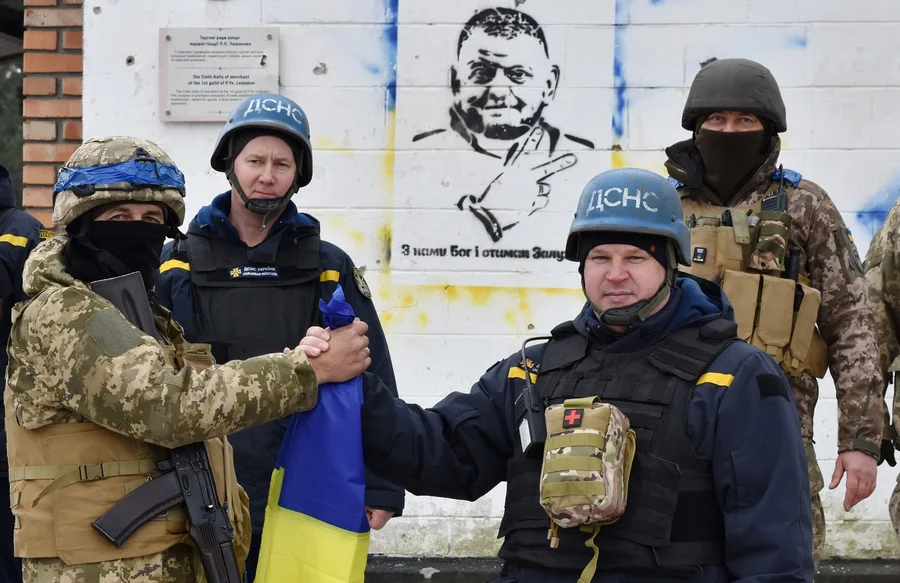
Ukrainian President Volodymyr Zelensky's firing of army chief General Valery Zaluzhny is a major political gamble for the head of state, but also a sign of growing desperation in Kiev over the fate of the war...
In the background of this movement lies the failure of the Ukrainian counterattack last year, the efforts to punish the culprits but also to design a new strategy that can promise Ukraine victory in the future. The defeat of Ukraine during the counterattack of the year
past, caused a very discreditable blame game between Kiev and Washington.
Some US officials said that if Zaluzhny had followed their (alleged) advice and concentrated his forces to attack on a narrow front (rather than attacking several places at once) , the Ukrainians could have penetrated the Russian defensive line.
This is a very strange argument, because it was precisely such attacks on the fronts
narrow, that the Russian army tried to carry out several times at the beginning of the invasion, those that
led to repeated military disasters. Also, this criticism ignores the fact that just as US satellite intelligence allowed the Ukrainians to identify concentrations
local Russian military, Russian satellite intelligence also enabled them to do the same when they counterattacked the Ukrainians.
The truth is that until the summer of 2023, the Ukrainian army did not have the superiority in manpower and firepower that would allow it to break through the fortified lines held by an enemy outnumbered and well- armed.
If Ukraine had succeeded, it would have been a highly unusual event in military history. And there is no serious prospect that the Ukrainians will be able to succeed in the future. Because even if they take delivery of new Western weaponry over the next year, Russia will still use the time to further strengthen its defense lines
Zelensky's dismissal of Zaluzhny also reflects the fact that the general has long been seen as Zelensky's most dangerous political rival in the future, given his prestige in the military and popularity among the people. We do not know how Zaluzhny will react to his dismissal.
Maybe he reached some agreement with Zelensky. However, the risks for the Ukrainian president are more than obvious. Although Zaluzhny's replacement, General Oleksandr Syrsky, also enjoys great prestige as a defender of Kiev at the start of the war, he has been blamed by many Ukrainian soldiers for bowing to political pressure and for wasting many Ukrainian soldiers' lives in what was seen as as an unnecessary operation and a doomed battle to retain control of the city of Bakhmut last year.
Meanwhile, among the soldiers, there is much discontent due to their impression that not only Zaluzhny, but the army in general, is being punished for last year's failure. Zelensky is not helped either by the fact that after the failure of the counterattack, he publicly reprimanded Zaluzhny for declaring that the war had already reached a stalemate and that Ukraine would now be forced to go on the defensive. He was then forced to accept Zaluzhny's position when the military reality (and advice from Washington) became all too clear.
On the other hand, it is not clear whether the appointment of General Syrsky will change or improve another factor that also produced tension between Zelensky and Zaluzhny: the issue of new recruits. One of the lessons of this war is that victory depends on the combination of the latest weaponry and large numbers of troops.
In 2022, the heavy losses of the Russians were mainly due to the fact that they started the invasion with very few troops. The Ukrainians' spectacular success in the Kharkiv counterattack in September 2022 owed much to the fact that on that front, they were vastly outnumbered by the Russians.
But today Ukraine is running out of troops. Russia has a population 4 times larger than Ukraine, and manages to recruit more men. Also, she is greatly improving her tactics and weaponry. The Ukrainian military has been weakened, both by heavy losses and the growing unwillingness of the population to serve.
The average age of Ukrainian soldiers is currently 43, too old for full military effectiveness. For this reason, in recent months General Zaluzhny became more and more insistent on the need to extend and tighten the recruitment orders. This approach was supported by the soldiers, and combined with their growing anger at the corruption in Kiev and the avoidance of front-line service by the sons of the elites.
However, measures to strengthen conscription rules and increase penalties for avoiding service met with strong resistance among the population as well as among politicians. As a result of this resistance, and possibly the reluctance of MPs to see their children conscripted and sent to war, the Ukrainian parliament in January shot down the initial version of a law strengthening conscription rules.
Zelensky ka ridërguar atje një variant më të zbutur, por nuk është e qartë nëse ai do të mjaftojë për të kompensuar popullsinë dhe burimet shumë më të mëdha që zotëron Rusia. Perspektivat ushtarake të Ukrainës, kërcënohen jo pak edhe nga refuzimi i deritanishëm i republikanëve në Kongresin e SHBA për të dhënë dakordësinë e tyre për një ndihmë të re financiare dhe ushtarake për Ukrainën.
Pa këtë të fundit, Ukraina nuk do të ketë në dispozicion armët që i nevojiten për të vazhduar luftën. Bashkimi Evropian ka rënë dakord së fundmi për një paketë ndihme prej 50 miliardë eurosh, e cila do të jetë jetike për mbështetjen e ekonomisë ukrainase.
Por zyrtarët evropianë, e kanë pranuar me sinqeritet se Evropa nuk është në gjendje të zëvendësojë ndihmën ushtarake të SHBA-së. Prandaj, Ukraina po përballet me një kërcënim të dyfishtë: një ushtri pa ushtarë, dhe një ushtri pa armë. Nëse do të vazhdojë kjo situatë, nuk ka gjasa që Ukraina të jetë në gjendje të vazhdojë rezistencën kundër Rusisë.
Për më tepër, edhe nëse Kongresi Amerikan arrin një kompromis për ndihmën shtesë ndaj Ukrainën, kjo e fundit nuk do të vazhdoje edhe për shumë kohë. Beteja në Kongresin e SHBA - dhe sidomos roli i ish-presidentit Trump dhe i mbështetësve të tij në bllokimin e një kompromisi - pasqyron manovrimin politik si pjesë e fushatës presidenciale.
Por, qëndrimi i republikanëve pasqyron gjithashtu edhe një ndjenjë të vërtetë që shtrihet edhe në pjesën më të madhe të Evropës dhe që po ndihmon në ngjitjen në pushtet të populistëve: kërcënimi real për sigurinë dhe stabilitetin e shoqërive perëndimore, vjen nga mosfunksionimi i brendshëm, i nxitur pjesërisht nga migracioni i paligjshëm; dhe se ajo që ndodh në Ukrainë është e parëndësishme për këto çështje.
Pavarësisht mendimeve mbi zgjidhjet që ofrohen, do të ishte e gabuar dhe e rrezikshme që avokatët e mbështetjes së Ukrainës t’i shpërfillin këto shqetësime. Sepse nëse lufta vazhdon pafundësisht, nuk do të mjaftojë që Kongresi dhe Bashkimi Evropian të arrijnë marrëveshje për të ofruar ndihmë për Ukrainën gjatë vitit të ardhshëm.
Ata duhet ta bëjnë këtë vitin e ardhshëm, vitin pas tij, e kështu me radhë. Asnjë qeveri perëndimore nuk mund ta garantojë seriozisht dhe sinqerisht këtë gjë. Për më tepër, që Ukraina të qëndrojë në pozita mbrojtëse - edhe nëse e bën këtë me sukses - nënkupton diçka që analistët perëndimorë dhe shumë ukrainas kanë filluar ta njohin, megjithëse pak prej tyre kanë qenë ende të gatshëm ta deklarojnë këtë publikisht: që nëse Ukraina mbetet për një kohë të pacaktuar në pozita mbrojtjeje, atëherë zonat e Ukrainës të pushtuara nga Rusia do të mbeten në duart e Moskës, nëse jo ligjërisht, atëherë de fakto.
As I found out during my visit to Ukraine, even before the failure of last year's offensive, a significant minority of Ukrainians were prepared to say that Ukraine should compromise with Russia and accept the loss of these territories, if the alternative would be would be years of war and hundreds of thousands more deaths, with no realistic prospect that these sacrifices would bring success.
According to polls, the loss of the Ukrainian offensive has led to a significant increase in this feeling. However, the Ukrainian government and much of the establishment are fixated on the principle that the only acceptable outcome is a full Russian withdrawal. Changing this position will be extremely painful and difficult.
And one way to understand the current political turmoil in Kiev is that all the different figures and groups are trying to position themselves to blame someone else for the possible compromise with Russia.
The danger for Ukraine is that given the reduction in US aid, the likelihood of a Russian military success, and the tensions reflected by Zaluzhny's dismissal, if Kiev waits too long to seek a compromise, it may not there is nothing left to negotiate on. This is not only because of developments on the battlefield, but also because of the breakdown of political unity within Ukraine./ Adapted Pamphlet from "Resposinble Statecraft"
Note: Anatol Lieven, director of the Eurasia Program at the Quincy Institute for Responsible Statecraft. He was previously a professor in the Department of War Studies at King's College London.


Lini një Përgjigje