


 Shkruar nga Pamfleti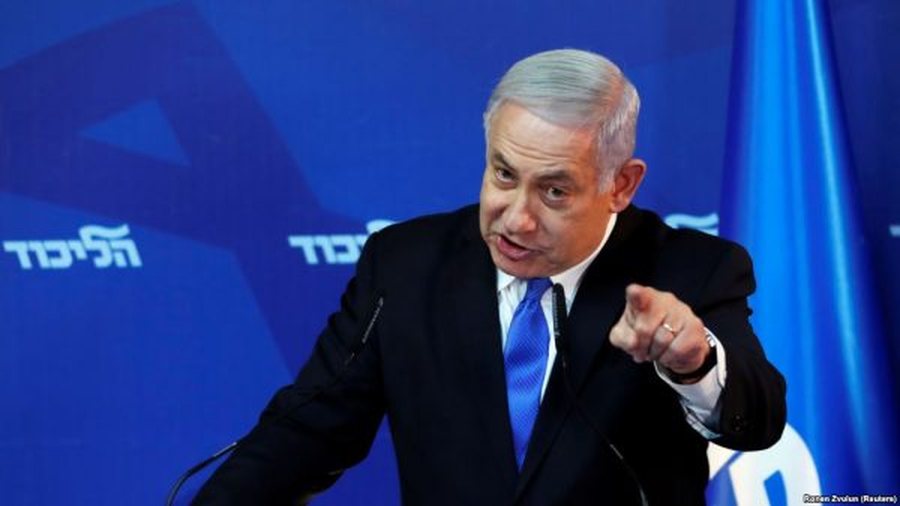
Despite growing calls from Israeli protesters in Tel Aviv for more to be done to secure the release of the hostages, if a deal is not reached soon to release the remaining hostages, the third phase of the Israeli ground offensive will be underway.
Israeli Prime Minister Benjamin Netanyahu appears to have rejected recent proposals to secure some form of operational pause in the war with Hamas. His stated priority is the destruction of Hamas, and the IDF's military ground offensive has systematically worked its way through Gaza.
But does this mark the end of any negotiated truce?
For any negotiation to be successful, both parties must see the merit or benefit of the engagement. Hamas is no match for the IDF militarily, so they will be motivated to find a way to stop or stop the war. It is less clear what motive Israel has for negotiating.
However, the US is clearly concerned about the prospects of further regional escalation, with US Secretary of State Antony Blinken on his fifth visit to the region since the October 7 attacks.
The US-brokered deal to stop the fighting appears to have centered on a two-month pause in fighting, the release of 100 hostages and an increase in humanitarian aid to Gaza. This proposal was developed by Qatari and Egyptian negotiators before being passed to the Israeli government and Hamas.
It appears that in response, Hamas has presented a counter-proposal that includes three phases of hostage release: the first would include the release of women and children; the second the release of other prisoners; and the third return of all Israelite troops. In return, the IDF would release a number of Palestinian prisoners and also agree to withdraw completely from Gaza.
As with any negotiation, it is highly likely that elements of the Hamas proposal will not be acceptable to the Israelis. However, it is not clear whether Mr Netanyahu has dismissed the prospect of a negotiated settlement, or whether he would be prepared to consider some form of compromise.
Meanwhile, negotiations appear to be continuing, with reports that Israel would be willing to let Hamas military leader Yahya Sinwar go into exile in exchange for the release of all hostages and the end of the Hamas government in Gaza.
But where does this leave the fate of the remaining Israeli hostages held by Hamas?
On October 7, Hamas killed 1,200 Israelis and kidnapped 240 hostages. Since then, a lull in the fighting in November last year saw over 100 hostages released and three accidentally killed by the IDF in December. Israel claims 32 of the remaining 136 hostages have died in Gaza, and they also believe up to 20 others may have died as well. This leaves around 84 hostages potentially still alive in Gaza.
But Israel seems ready to begin the third phase of its ground offensive. The first phase was focused on northern Gaza, the second phase on Khan Younis and the third phase looks set to focus on Rafah.
Throughout the ground offensive, over a million Palestinians have been pushed south and now find themselves pressed against the Egyptian border. The next phase of the IDF operation will be extremely challenging, with such a high population density that it makes it extremely difficult to distinguish between Hamas fighters, civilians and hostages.
Despite growing calls from Israeli protesters in Tel Aviv for more to be done to secure the release of the hostages, if a deal is not reached soon to release the remaining hostages, the third phase of the Israeli ground offensive will be underway. The prospects for the hostages in such circumstances would seem very bleak./ SkyNews





Lini një Përgjigje