


 Shkruar nga Pamfleti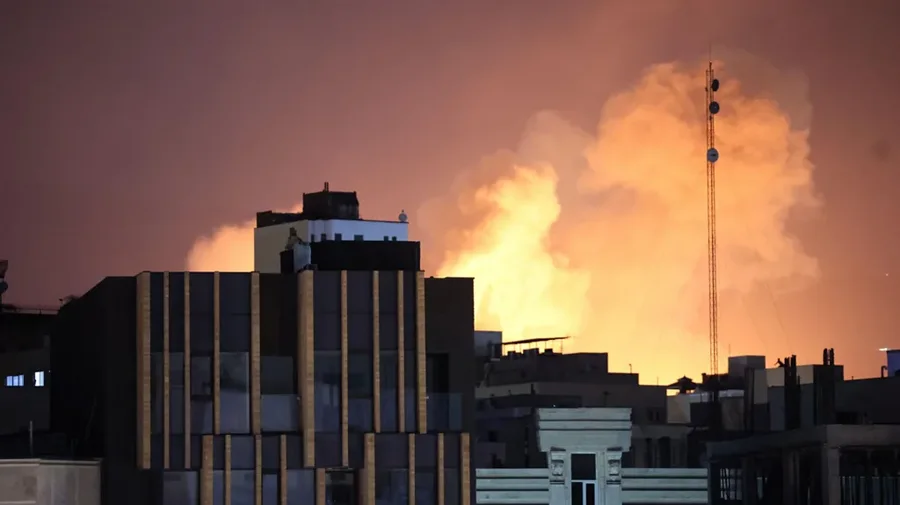
The US and Israel have declared air superiority over parts of Iran, which allows their aircraft to strike targets at will.
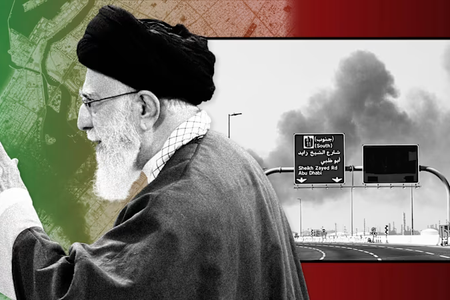
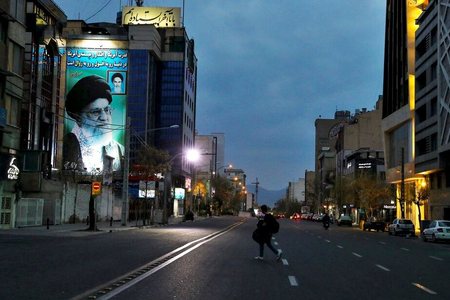
They have also shown a kind of intelligence superiority, a dominance that has enabled them to find and kill several Iranian leaders. But what is the strategy behind this? One answer is to focus on creating confusion.
The first move in this campaign was not the attack that hit the supreme leader's compound, but hackers from the US Cyber Command and their Israeli counterparts. They blinded Iran's ability to understand what was happening, preventing it from communicating and reacting, according to US military officials.
Using this advantage, senior leaders were targeted in several locations. They had been followed for months by the CIA and Mossad, among others. This was most likely done through long-term technical penetrations into Iranian communication systems as well as spies on the ground, often led by Mossad.
The results were shocking. The army chief of staff, the defense minister, and the head of the Revolutionary Guard were among those killed. Israel is believed to have taken the lead in these attacks.
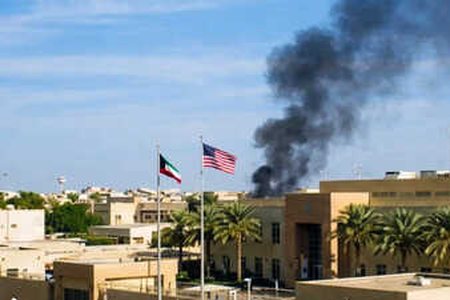
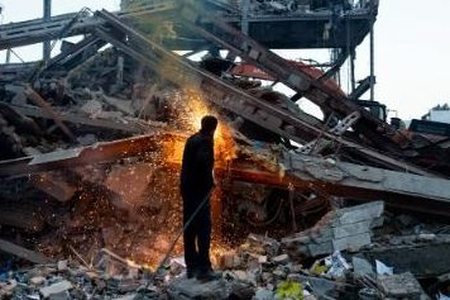
The US said it also struck Iran's command and control, ballistic missile sites and intelligence infrastructure in the first wave of attacks.
The clear goal was to “stun and confuse” the Iranians, Dan Caine, chairman of the Joint Chiefs of Staff, said at a briefing on Monday. The US and Israeli ambition was to paralyse Iran.
However, it was known that Tehran had prepared for the targeting of its leadership, as officials had been instructed to designate their successors in the event of death (and to keep their identities secret).
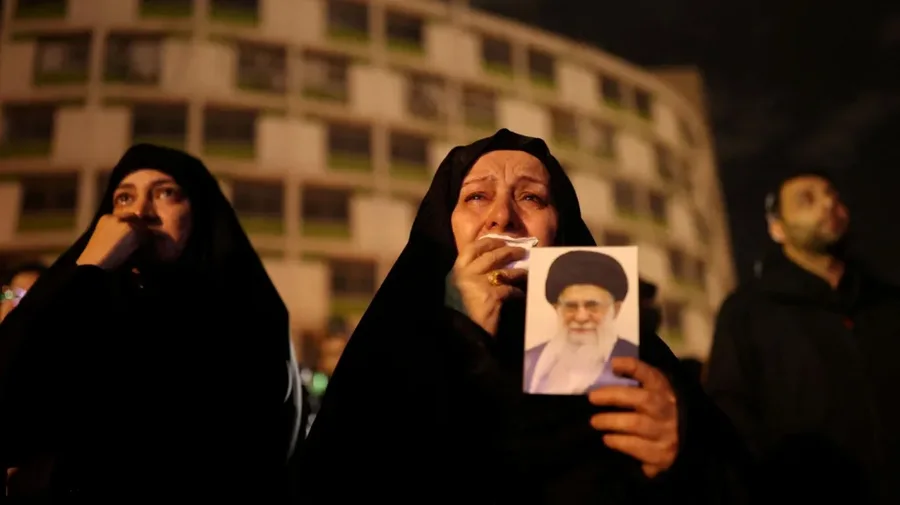
This awareness of the danger makes it all the more surprising that some of the Iranian regime's most senior figures were meeting on Saturday morning, allowing so many of them to be killed.
So what do these killings mean for the course of the war?
In the short term, it could make it harder for Iran to mount a response. The confusion caused by targeting has military advantages, but it could also bring risks.
It is not clear whether the barrage of missiles and drones being sent across the Middle East is the result of a predetermined policy that is now running automatically, whether local commanders are acting on their own initiative, or whether someone at the center is issuing orders through a functioning chain of command.
The next question is whether eliminating so many leaders will fundamentally change Iran's calculus to continue the war or find a way out.
A CIA assessment completed shortly before the start of the war predicted that eliminating the supreme leader could lead to the hardline Revolutionary Guards taking more control.
Any new leader will have to calculate whether the regime's survival will be ensured by continuing the war, or, alternatively, by negotiating and effectively accepting the US demands.
But if they keep getting killed, it may become more difficult to make any decisions or hold any negotiations.
The US may want to see a figure like Delcy Rodríguez, who took over from Nicolas Maduro in Venezuela and is understood to be cooperating with the US, but it is not clear whether such a person exists or could lead the state of Iran.
And so the final, and even more important, question is, do these killings make regime change more likely?
History suggests that airpower alone is rarely enough, and the US has shown no desire to put troops on the ground. It may be hoped that eliminating security and intelligence forces could help a popular uprising succeed this time, after protesters were crushed in January.
President Trump has again called for such an uprising and even promised immunity for members of the security forces who lay down their arms. But the regime is deeply entrenched and will do anything to hold on to power.
While the future of the leadership remains uncertain, the priority for Israel and the US seems to be to inflict as much damage as possible on the regime. If this brings about change, it may be welcomed by the Iranian people, but the risks will fall on them. / Taken from BBC


Lini një Përgjigje