


 Shkruar nga Pamfleti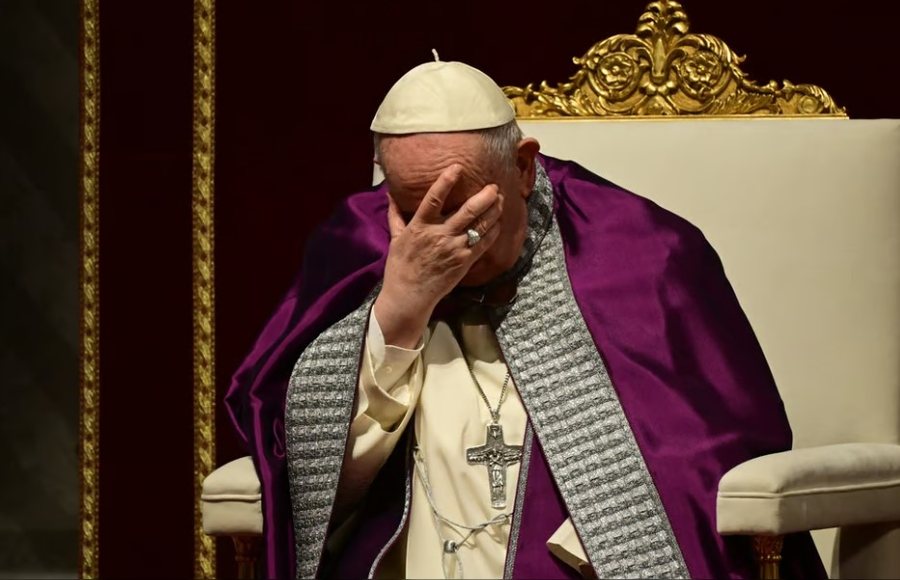
Last week, Francis called on young Russians not to give up their "inheritance" as heirs to a "great and bright Russian empire". And in a video of his speech that was posted online, he mentioned Peter the Great and Catherine the Great...
In 2017, Pope Francis became the first pope to visit an Anglican church in Rome. He made no direct reference to Henry VIII of England, who split from Catholicism in 1534 after being denied an annulment. Nor did he encourage young Englishmen to respect the legacy of Henry VIII – perhaps one of England's great monarchs, albeit a cruel one.
In his homily, the Pope acknowledged that Anglicans and Catholics had "viewed each other with suspicion and hostility" for centuries, but he encouraged both faiths to "always be freer from our respective prejudices from the past".
However, last week, Francis called on young Russians not to give up their "inheritance" as heirs to a "great and bright Russian empire". And in a video of his speech that was posted online, he mentioned Peter the Great and Catherine the Great, both of whom Russian President Vladimir Putin has cited to justify the invasion of Ukraine and stoke warlike passion.
So while Henry VIII was shunned six years ago, Peter the Great, whose reign was decisive in setting Russia on the path to imperialism and European conquest, arguably deserves respect.
Is this a case of a Pope with 'tin ears', or is there something more?
Dmitry Peskov, Putin's spokesman, described the comments as very pleasant. "The pope knows Russian history and that's very well," he said, adding that Francis was "in unison" with the Russian government's efforts to teach history as written by Putin.
Unsurprisingly, the Pope's comments drew criticism from Ukraine, including Archbishop Sviatoslav Shevchuk, head of the Ukrainian Greek Catholic Church, who said Francis' words had caused "great pain and concern".
Oleg Nikolenko, a spokesman for the Ukrainian Foreign Ministry, similarly stated that it was "very unfortunate that the ideas of the great Russian state, which, in fact, are the cause of Russia's chronic aggression, consciously or unconsciously unconsciously, they come from the mouth of the Pope, whose mission, in our understanding, is precisely to open the eyes of the Russian youth to the disastrous course of the current Russian leadership".
The Vatican has pushed back, arguing that Francis did not mean to glorify imperialism when he asked young Russians to be proud of their heritage. And indeed, the Pope's prepared remarks were not a call to imperial arms. Be "planters of the seeds of reconciliation, small seeds that for the moment in this winter of war will not sprout in the frozen ground, but that in a future spring will bloom," he advised.
Francis provoked a storm last year as well, in interviews with the Jesuit magazine La Civiltà Cattolica and the Italian newspaper Corriere della Sera, suggesting that the war in Ukraine was the result of NATO "barking at Russia's door".
Duke pasur parasysh tërbimin që shkaktuan ato deklarata, dikush do të mendonte se Françesku do të kishte treguar më shumë kujdes dhe do të ishte shumë më i kujdesshëm në komentet e tij javën e kaluar – dhe të paktën të shmangte lavdërimin e figurave perandorake në panteonin e heronjve rusë të Putinit.
Papa Françesku i pëlqen të thotë se Kisha Katolike “nuk është një organizatë politike me krahë të majtë dhe të djathtë, siç është rasti në parlamente”. “Nganjëherë, për fat të keq, konsideratat tona reduktohen në këtë, me njëfarë rrënjë në realitet. Por jo, Kisha nuk është kjo,” u tha ai gazetarëve të Vatikanit në vitin 2021 .
Pra, a është kjo një nga rastet kur konsideratat e tij reduktohen në politikë?
Ndërsa kisha, sipas tij, mund të mos jetë një organizatë politike, Françesku shihet nga shumë njerëz si një papë shumë politik dhe është e vështirë të besohet – veçanërisht duke marrë parasysh hidhërimin e mëparshëm për komentet e tij për Ukrainën – që këto komente të fundit u vlerësuan gabimisht si aq sa e sheh. Në fund të fundit, ai është jezuiti i parë që kryeson Selinë e Shenjtë dhe, siç e vura re vitin e kaluar, cinikët mund të argumentojnë se intervistat e tij janë ushtrime në kazuistrinë filozofike me të cilën është lidhur shpesh urdhri i tij misionar.
Françesku ka thënë pak për shkatërrimin e kishave në Ukrainë që kur Rusia filloi pushtimin e saj. Dhe disa i shohin ekuivokimet e tij si të lidhura me kontaktin e tij të gjatë ekumenik me Kishën Ortodokse Ruse dhe udhëheqësin e saj Patriarkun Kirill. Sigurisht, Françesku është kujdesur që të mos ofendojë Kirillin që kur e paralajmëroi atë që të mos bëhej një "djalë altari" i Kremlinit vitin e kaluar.
Ndërkohë, të tjerë e vendosin qasjen e Françeskut në kontekstin e së kaluarës së tij peroniste argjentinase dhe "kritikës së saj të stilit të botës së tretë ndaj Perëndimit" - më shumë e përshtatur me anti-amerikanizmin e Putinit dhe Kirillit . Dhe kjo mund të jetë në themel të asaj që qëndron pas qëndrimit të Papës për këtë luftë, pasi Françesku ka vendosur një pozicion që e vendos atë më shumë në linjë me Pekinin, Nju Delhi dhe Brazilia, sipas John Allen nga faqja e lajmeve katolike Crux.
On the day Francis delivered his sermon to Russian youth, Ukrainian fighter pilot Andriy Pilshchykov, nicknamed Juice, himself a Catholic, was killed when two training planes collided west of Kiev. It is not difficult to imagine how he might have felt about the Pope's words. / Adapted "Pamphlet" from "Politico"


Lini një Përgjigje