


 Shkruar nga Pamfleti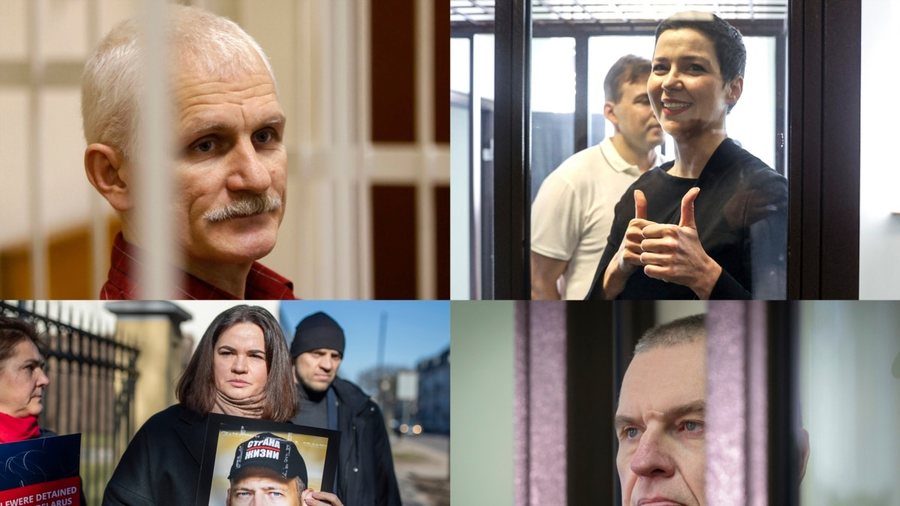
Belarusian President Alexander Lukashenko announced on Wednesday that he will pardon another 30 political prisoners, the third release of political prisoners in the last three months.
The names of those who will be released have not been made public, but the most famous political prisoner, the opposition figure Maria Kalesnikava, is not expected to be among them. She along with two other women, Sviatlana Tsikhanouskaya and Veronika Tsepkalo, led a joint campaign for change against Mr Lukashenko in the 2020 presidential election.
Nevertheless, Ms. Kalesnikava's sister, Tanya Khomich, hopes that these pardons are a message to the world that Mr. Lukashenko may be willing to agree to the release of other political prisoners in exchange for some concessions.
Ms. Khomich also hopes that Mr. Lukashenko, who has been in power in Belarus for 30 years, may be thinking about his personal future and may be open to calls from Western countries to release prisoners.
"Lukashenko does not want to be forgotten after peace has returned to Ukraine," Mrs. Komich told VOA. "Also, he does not want Belarusian territories to be touched by Russia."
Ms. Kalesnikava's case has an added urgency because she and Belarus's top political prisoners have not been allowed to communicate for more than 600 days. People close to them say that there is a total and terrifying darkness over their condition.
Ms Kalesnikava, Sviatlana Tsikhanouskaya's husband Siarhei Tsikhanouski and Nobel Peace Prize winner Ales Bialiatski have been denied the right to receive or send letters, meet with lawyers and make phone calls, according to supporters and relatives. theirs.
But the words under his breath manage to overcome the prison walls. Ms Khomich says she has been told Ms Kalesnikava, 1.7 meters tall, now weighs less than 45 kilograms and is not sure she will make it out of the cell alive.
"Guess what," said Mrs. Khomich. "It's the 21st century, we're in the center of Europe and someone is starving. Maria is not allowed to have communication. Please don't let him starve."
Ms. Kalesnikava, who fell seriously ill in prison from an ulcer, needs a special diet which is not being provided to her, according to her sister.
Franak Viacorka, adviser to exiled opposition leader Sviatlana Tsikhanouskaya, also expressed the urgent need for the release of political prisoners.
Ai tha se 30 emrat në listën që do të lirohen kishin pak kohë në burg dhe ishin dënuar për shkelje të vogla, si komentimi apo pëlqimi i postimeve në mediat sociale kundër regjimit. Ndërsa thotë se është i lumtur për këdo që lirohet, ai sugjeroi se faljet nuk janë një tregues se zoti Lukashenko po zbut qëndrimin, por se thjesht po përpiqet të pastrojë figurën e tij.
"Propaganda shtetërore e reklamon si një gjest të madh humanitar nga ana e regjimit", tha zoti Viacorka. “Është akti i Lukashenkos përpara të ashtuquajturave zgjedhje të vitit të ardhshëm për të treguar se sa human është dhe se kujdeset për njerëzit, sepse edhe mbështetësit e tij nuk janë të lumtur për shtypjet mizore që po ndodhin”.
Zoti Viacorka shprehet gjithashtu se trynsnia diplomatike ndërkombëtare pati ndikim në vendimin e Presidentit Lukashenko për të falur 30 të burgosurit politikë, por se edhe opinioni publik vendas luajti rol. Ai vuri në dukje se të burgosurit që u falën nuk do të jenë plotësisht "të lirë", por do të lirohen nga burgu dhe do të mbikqyren nëpërmjet shërbimeve sekrete, dhe disa ndoshta nuk do të lejohen që të largohen nga vendi.
"Shumica prej tyre u detyruan t'i shkruanin një letër ku të kërkonin falje nga Lukashenko, si dhe të rrëfenin krime që nuk i kanë bërë kurrë”, tha ai. “Kjo është gjithashtu një formë poshtërimi për njerëzit, por gjithashtu tregon shumë mire se si është Lukashenko. Ai dëshiron që njerëzit të njohin fuqinë e tij. Dëshiron që t’i poshtërojë dhe që ata të pranojnë pushtetin e tij”.
Pavarësisht faljes së të burgosurve, zoti Viacorka thotë se gjendja e të drejtave të njeriut në Bjellorusi është përkeqësuar kohët e fundit. Dënimet me burgim nga disa vjet janë ashpësuar në 10 ose 15 vjet. Të burgosurit politikë detyrohen të mbajnë stema të verdha në mënyrë që të burgosurit e tjerë ta dinë kush janë dhe të mos u flasin në rast të një takimi të rastësishëm.
"Ata duan të godasin emocionalisht”, thotë Tanya Khomich, duke vënë në dukje se motra e saj e burgosur dërgohet sa në një "qeli izolimi" tek një "qeli dënimi”, të cilat sipas saj, janë dhoma të vogla me erë shumë të rëndë. Një ndryshim i madh, thotë zonja Khomich, është se në qelinë e izolimit, Maria Kalesnikavas i lejohet furça e dhëmbëve dhe sapuni, ndërsa në qelinë e ndëshkimit nuk i lejohet asnjë send personal.
Përballë shtypjes së fortë dhe mbikqyrjes së fuqishme nga KGB-ja bjelloruse e komunikimeve elektronike, veprimtaria e opozitës po ndodh larg internetit “off line”, thotë zoti Viacorka.
"Njerëzit takohen në apartamente private dhe shpërndajnë “samizdat” materiale të shtypura në mënyrë të fshehtë. Ka edhe shumë njerëz që ndihmojnë me fushata kibernetike. Bjellorusia ka hakerë të mirë.”
According to Mr. Viacorka, many of these "cyber volunteers" are state employees who covertly help the opposition, which provides Western countries with information about what and who in Belarus to impose sanctions on. There are also groups trying to help Ukrainians and keep Belarus officially out of Russia's war against Ukraine.
However, Mr Viacorka says the fact that the opposition is in exile is discouraging people inside Belarus from engaging in any overt political activity at this moment of chaos, as the war in Ukraine continues.
"We shouldn't sacrifice people while we don't have clarity," he says. "Lukashenko makes mistakes. We want to be ready when the moment is right. Right now, we are at the peak of terror."
Despite the fact that the Lukashenko regime has silenced Maria Kalesnikava and other opposition activists by imprisoning them, the Belarusian people have not forgotten these prisoners, says Mr. Viacorka.
Noting the prominent role played by women in the opposition, he added: " I understand what women's strength means. The toxic masculine side of Lukashenko against the feminine sensibilities of our leaders is what makes our movement so sustainable." / VOA


Lini një Përgjigje