


 Shkruar nga Pamfleti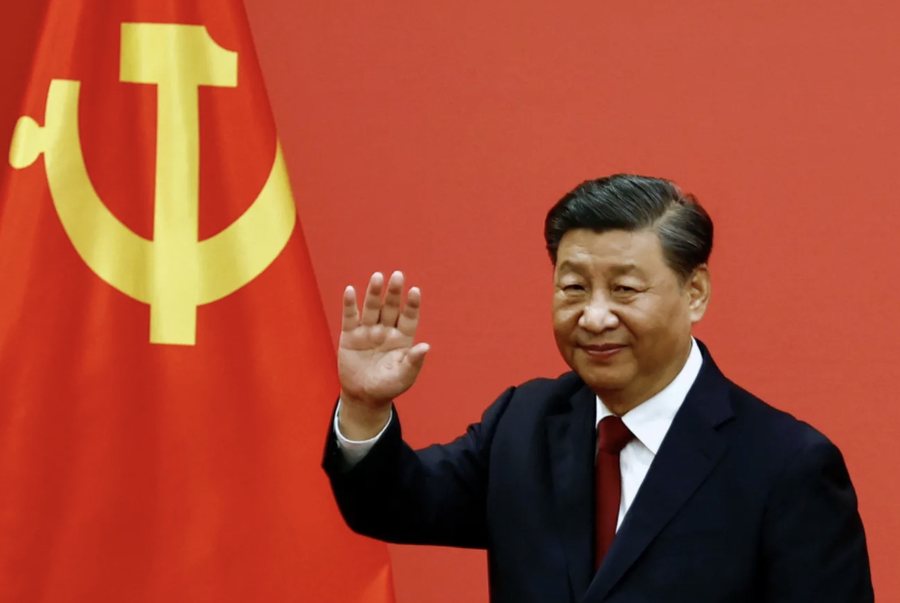
Ultimately, a newly strengthened bureaucracy could end up squeezing citizens further, especially if, as Xi envisions, local authorities shoulder some of the burden of supporting new technologies and industries.
As China grapples with a housing crisis, high youth unemployment, a collapse in business and consumer confidence, and an ocean of local government debt, one would expect the Chinese government to deliver whatever it has in store for them. bring the country out of the economic crisis.
And yet this month's meeting of senior leaders aims to undertake a very different set of reforms. Instead of focusing on China's current problems, the Third Plenum of the Central Committee of the Communist Party of China (CPC) - so named because it is in the third session of the committee's five-year term - will prepare China for a clash strong with the United States.
The plan envisages the construction of industries driven by massive investments in the most modern technologies. It aims to strengthen the party's grip on Chinese society, and elevate the figure of supreme leader Xi Jinping, whose political missteps, ranging from a "Zero Case" approach to Covid-19, to crackdowns on big companies, have produced a very difficult economic situation.
It will also underline China's shift away from its long-term economic strategy of growth for the sake of growth. Among the policies expected to be announced at the Plenum, which began Monday and ends Thursday, will be reforms that restructure fiscal policies, as well as greater coordination of regional economic development.
Both of these are movements that will strengthen the role of the central government in the direction of development. Meanwhile, there will also be statements of support for China's private sector, which accounts for more than 60 percent of gross domestic product, and more than 80 percent of employment in urban areas.
But Xi and his subordinates have often emphasized that the political pendulum is swinging firmly towards statist solutions. This strategy will provide some relief for a population that is barely coping with daily living, but also for companies that have lost the will or the means to invest.
Beijing's foray into what he calls a "high-level socialist market economy" based on "new quality productive forces" will be driven by Xi's desire to see the Chinese people, especially the young his, "to eat bitterness" in pursuit of their national ideals.
Burimet e qeverisë do të drejtohen për kërkimin, zhvillimin dhe subvencionet e industrive, dhe jo për programet sociale. Nuk duhet të cilësohet ndonjë befasi që me afrimin e Plenumit, mediat kineze nisën të bënin thirrje për një “zhvillim të përbashkët”.
Një slogan egalitar që nga epoka e Mao Ce Dunit, të cilin Xi e riktheu në vëmendje gjatë goditjes që i bëri gjigantëve të shitjes me pakicë të Kinës vitet 2021- 2022. Ndërsa ajo fushatë më vonë u zbeh, gazeta “People’s Daily” e drejtuar nga partia, botoi një artikull të gjatë më 24 qershor “që promovon me vendosmëri prosperitetin e përbashkët në zhvillim me cilësi të lartë”.
Kontributi kryesor ishte i Sekretarit të përgjithshëm të Akademisë kineze të Shkencave sociale, që mbrojti synimin e Kinës për t’u “distancuar nga tendenca e gabuar e vendosjes në plan të parë të kapitalit, materialeve dhe parasë”.
Kjo qasje është shumë larg thirrjes së liderit të ndjerë Deng Xiaoping gati 5 dekada më parë, për të “lejuar që disa të pasurohen të parët”. Po ashtu, përbën një ndryshim të qartë nga direktivat bazë të plenumeve të mëparshme, që shpallnin politika ekonomike të orientuara drejt tregut.
Largimi i Deng nga lufta e klasave maoiste dhe kthesa e tij drejt modernizimit, ndodhi në Plenumin e Tretë të vitit 1978. Mbështetja e tij për hapjen totale të Kinës ndaj ekonomisë globale, ishte tema e takimit të vitit 1993. Madje edhe Plenumi i këtij llojit për Xi-në në vitin 2013, bëri thirrje për më shumë se 300 reforma të lidhura me tregun (shumica e të cilave nuk u zbatuan kurrë).
Megjithatë, që nga ajo kohë është kthyer vala ideologjike. Plenumi i vitit 2018, ratifikoi eliminimin e kufizimeve të mandatit për Sekretarët e Përgjithshëm të PKK, duke i dhënë mundësi Xi-së të mbajë pushtetin për një kohë të pacaktuar, dhe duke paralajmëruar një ndryshim të dukshëm në drejtimin politik.
Fjalimet dhe artikujt e fundit të Partisë Komuniste, kanë paraqitur një “sallatë” fjalësh të zhargonit marksist-leninist, që justifikon politikat e reja etatiste dhe që e lavdëron pa pushim Xi-në. Por propaganda përkthehet në një kontroll më të madh të ekonomisë nga qeveria. Pekini e justifikon si të nevojshme këtë ndryshim politikash, për shkak të shqetësimeve të sigurisë kombëtare, ose asaj që Këshilli i Shtetit e quajti në fillim të plenumit si “konkurrencë gjithnjë e më e ashpër ndërkombëtare” nga ana e Shteteve të Bashkuara dhe aleatëve të saj, teksa këto të fundit po forcojnë kontrollet mbi rrjedhën e teknologjisë dhe kapitalit kinez.
Për pasojë, Pekini po i jep përparësi “vetë-mjaftueshmërisë teknologjike të nivelit të lartë”, duke investuar dhjetëra miliarda dollarë në kërkime tek gjysmëpërçuesit e përparuar, llogaritjen kuantike, llojet e reja të energjisë së rinovueshme dhe në shumë fusha të tjera.
This zero-sum-cost strategy envisages that the government supports state-owned enterprises, and selects as subsidy winners among private companies to ensure rapid growth through technological advancement.
Of course, Chinese officials are tight-lipped on how to deal with current economic woes, and the Plenum is likely to trumpet its intention to address the housing crisis and business mistrust on the country's economic outlook.
But while Beijing has been talking for months about a "new model" of real estate and the need to boost domestic demand, there are few signs of big steps to follow through on those goals. Instead, the Plenum will advance fiscal policy reform.
It will aim to send more funds to heavily indebted provinces, cities and counties whose main source of income, land sales, has been depleted during the housing crisis. With the Chinese economy struggling, and tax revenues falling, Beijing will not be able to make up the difference, despite more central government resources being shared with local governments.
Ultimately, a newly strengthened bureaucracy could end up squeezing citizens further, especially if, as Xi envisions, local authorities shoulder some of the burden of supporting new technologies and industries. Also, the plenum is expected to announce measures to reduce restrictions on the movement of Chinese from villages to cities, and provide new opportunities for millions of people who have so far not benefited from the country's economic growth. But Beijing doesn't seem to have policies to create jobs for them.
He is not taking the necessary measures, and he is not implementing social programs or fiscal stimulus to increase consumption, which would help all those suffering from youth unemployment, low incomes, falling house prices , diminishing corporate power and a domestic stock market that has been struggling quite a bit lately.
A much publicized effort to subsidize the purchase of new cars and appliances has fallen on deaf ears. China has clearly decided to direct all available resources towards next-generation technologies, neglecting to support the vast majority of the population barely surviving outside the technology sector. This shows that Xi Jingping will have shiny new industries, but built on a weak economic foundation. / Adapted "Pamphlet" from "Opinione.it"




Lini një Përgjigje