


 Shkruar nga Pamfleti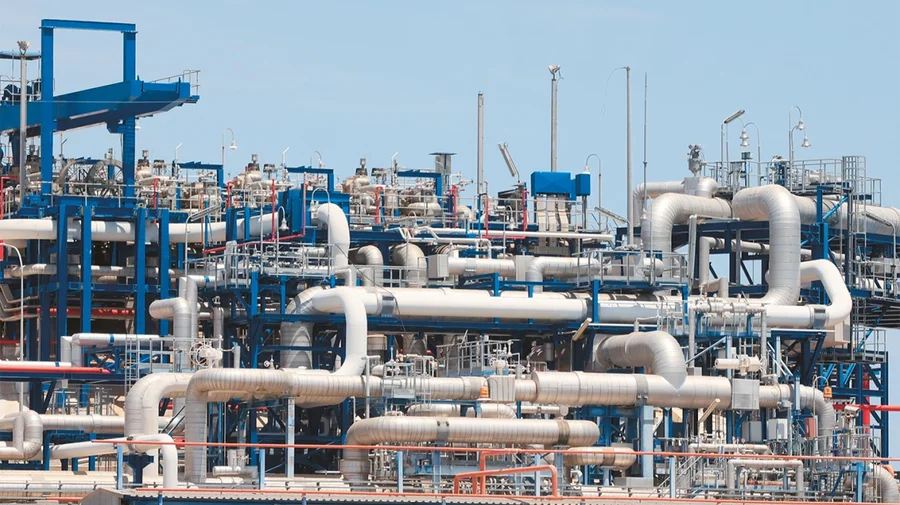
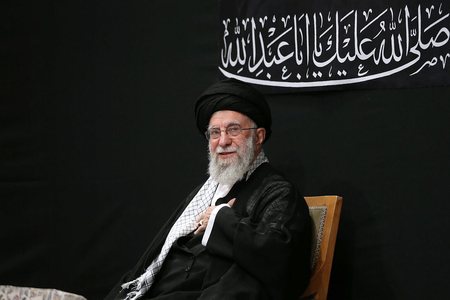
The US and Israeli attacks on Iran, as well as the confirmation of Ali Khamenei's death, have significantly increased uncertainty in international energy markets. Iran currently produces about 3.3 million barrels of oil per day, compared to less than 2 million barrels in 2020, despite international sanctions. Tehran has managed to mitigate the effects of restrictions by exporting about 90% of its production to China, via a fleet of aging tankers that often disable identification systems to avoid tracking.
The main oil fields are located in Khuzestan province, in the Ahvaz, Marun and West Karun areas. The most important refining facilities include the Abadan refinery, with a capacity of over 500,000 barrels per day, as well as the Bandar Abbas and Persian Gulf Star refineries, which process crude oil and condensate – a very light form of oil widely present in Iran.
The Kharg Island terminal, in the northern Persian Gulf, remains the main export hub. It includes several loading docks, storage facilities with a capacity of tens of millions of barrels, and can process over 2 million barrels per day. Any damage to this terminal would directly affect the Iranian economy and cause severe fluctuations in global oil markets.
The main natural gas fields lie along the southern coast of the Persian Gulf, in the Assaluyeh and Bandar Abbas areas. These facilities process and distribute gas for power generation, heating and the chemical industry, as well as for condensate exports. In June 2025, attacks on several gas facilities caused temporary market disruptions but did not lead to a sustained increase in prices, as key export infrastructure remained operational.
Who buys Iranian oil?
Private Chinese refiners remain the main buyers of Iranian oil. The US Treasury Department has imposed sanctions on several Chinese companies for imports from Iran. Beijing says it does not recognize the unilateral sanctions, but imports have been limited.
Iran has kept about 200 million barrels of oil at sea, equivalent to about two days of global consumption, as a precaution against the risk of attacks. For years, Tehran has used methods such as ship-to-ship transfers, altering origin documentation and hiding satellite signals to track exports.
The world's largest gas field
Iran exploits gas from the offshore South Pars field, which it shares with Qatar. The Qatari portion is known as the Northern Dome. Due to sanctions and technical restrictions, most of Iran's production is destined for the domestic market. In 2024, production reached 276 billion cubic meters, with 94% consumed domestically.
In June last year, Israeli strikes hit four units of South Pars Phase 14, about 200 kilometers from Qatar's gas facilities, some of which operate in partnership with American companies such as ExxonMobil and ConocoPhillips.
The joint field is estimated to contain about 1,800 trillion cubic meters of recoverable gas, an amount that could cover global demand for about 13 years. Qatar has generated hundreds of billions of dollars from liquefied natural gas (LNG) exports over the past three decades.
The Strait of Hormuz and the risk to global supply
The Strait of Hormuz handles about 20% of the world's oil and refined products. A complete closure would be unprecedented, but Tehran's statements about the possibility of a blockade remain a risk factor for markets. Saudi Arabia and the United Arab Emirates have alternative pipelines, but a complete shutdown would significantly reduce exports and raise prices.
Brent crude hit $73 a barrel on Friday, its highest level since July. Analysts warn that the escalation in Hormuz could lead to a significant price increase. Historically, a 1% reduction in supply has led to a price increase of about 4%. In such situations, investors tend to gravitate towards safe assets such as the US dollar, Japanese yen and gold, while high-risk equity markets face pressure.
The role of OPEC+
OPEC+ is considering increasing production to offset potential disruptions. Saudi Arabia and the United Arab Emirates have increased exports, while the alliance may decide to increase production for April, beyond the initial plan of 137,000 barrels per day.
Developments on the ground, Iran's response, and any potential disruptions in the Strait of Hormuz will determine the real impact on energy prices and global economic stability.





Kush do e marre naften e Iranit, ja ata qe po marrin naften e Irakut e Libise.