


 Shkruar nga Pamfleti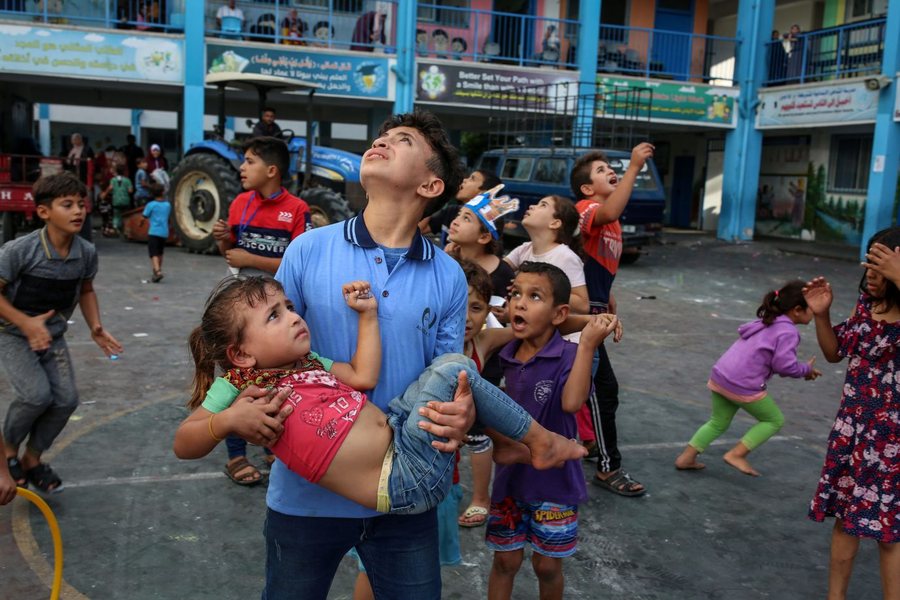
All Palestinian and Israeli children need to know that they are not alone, that we will monitor what is happening to them and other civilians during this crisis, with a promise that any killings and kidnappings will be prosecuted as a war crime by international criminal court, such as the case of Vladimir Putin, who has been accused by the court of the forced transfer of children from Ukraine.
Children do not start wars or plan acts of terrorism, but all too often they are their biggest victims, as the conflict engulfing Israel and Gaza so painfully demonstrates.
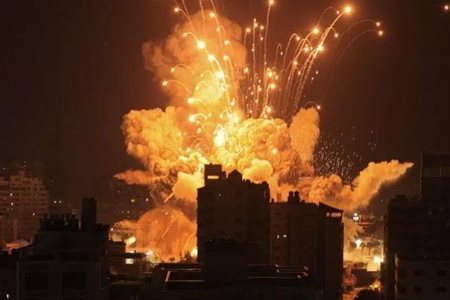
This is a war fought on a battlefield with no distinction between civilian and military theaters, and is now taking place mainly in Gaza, where Hamas is entrenched in towns and villages and where a million young people under the age of 18 make up nearly half of population. There are few wars in history in which children have made up such a high proportion of the people most at risk.
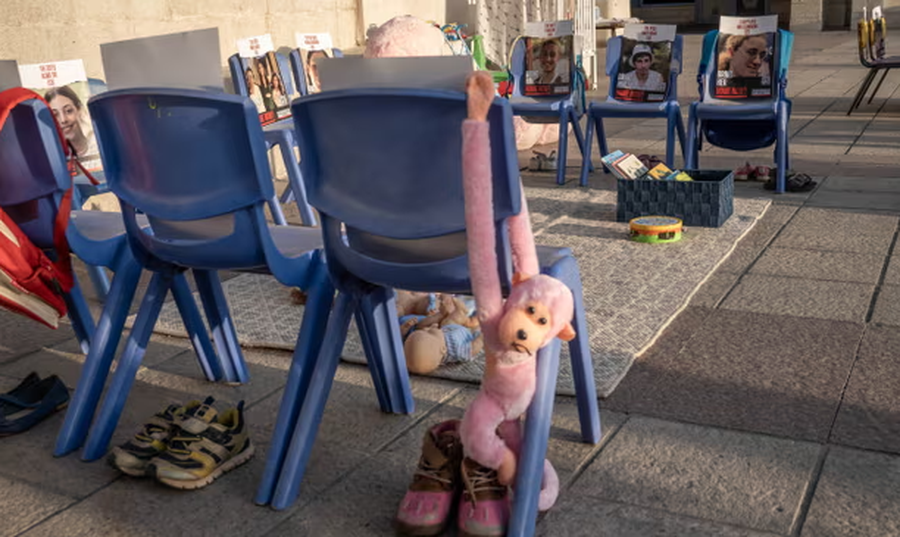
The sight of vulnerable children in distress should spark global outrage and spur us to action. And that is why Hamas terrorists, who in their rampage maimed, killed and kidnapped innocent children, must now be subject to arrest and prosecution by the international criminal court for war crimes and crimes against humanity. They must stand on the same bench as their terrorist counterparts in the Islamic State, Boko Haram and the many organizations operating in the Sahel.
But to confront the crimes of Hamas and uphold Israel's right to defend itself, we must set a standard based on the rule of law and the rules of war. Although the Israeli government has not put a figure on it, there were a significant number of children and youth among the 1,400 Israelis who were killed and many more who were maimed.
Already in Gaza, 2360 children have died and 5364 have been injured. If the international community and armed combatants cannot agree on anything else, we must surely agree that children must be protected to the greatest extent possible by humanitarian and human rights law.
So it is a sad commentary on the polarized times we live in when this week the UN security council could not even bring forward an agreed resolution that provides clear guarantees for the rights of the children involved currently in conflict, reinforcing a perception that the international community is as powerless to protect children in Israel and Gaza as it has been in a series of tragedies in Yemen, Sudan, Myanmar and Ukraine.
E drejta ndërkombëtare humanitare dhe ligjet për të drejtat e njeriut përcaktojnë udhëzime të qarta. Por ka një pranim në rritje se mënyra se si zbatohen aktualisht është e pamjaftueshme, me boshllëqe në mbrojtje dhe asnjë instrument apo organ i vetëm me juridiksion për të gjykuar shkeljen e rëndë të të drejtave të fëmijëve, siç propozohet në raportin Mbrojtja e Fëmijëve në Konflikt të Armatosur që unë ka punuar për të promovuar me autorin e saj, Shaheed Fatima KC.
Në të vërtetë, nuk ka ndryshuar shumë që nga viti 1996, kur raporti i Graça Machel për asamblenë e përgjithshme të OKB-së për fëmijët në konflikt foli për “një hapësirë pa vlerat më themelore njerëzore, një hapësirë në të cilën masakrohen fëmijët”. “Ka pak thellësi të tjera në të cilat njerëzimi mund të fundoset”, përfundoi ajo.
Por mbrojtjet që ekzistojnë janë krijuar për të parandaluar përdorimin e fëmijëve si mburoja njerëzore dhe për të shmangur që ata të bëhen viktima të pafajshme të bombardimeve dhe bastisjeve.
Pikërisht 100 vjet më parë, deklarata për të drejtat e fëmijëve, e hartuar nga Eglantyne Jebb dhe e botuar nga Unioni Ndërkombëtar Save the Children, kërkonte që “fëmija duhet të jetë i pari që do të marrë lehtësim në kohë fatkeqësie”. “Fëmija që është i uritur duhet të ushqehet,” thuhej, “fëmija që është i sëmurë duhet të ushqehet dhe jetimi duhet të strehohet dhe të ndihmohet.” Një shekull më pas, me luftërat që po zhvillohen jo në terrene të papopulluara, por në qytete dhe fshatra, nevoja për mbrojtje për joluftëtarët është edhe më urgjente.
Në shpërthimin e luftës në 1939, Kryqi i Kuq luajti një rol të rëndësishëm në hartimin e një konvente për mbrojtjen e fëmijëve gjatë situatave të konfliktit të armatosur, e cila bëri thirrje për “vende për siguri … vende të siguruara [që] do të respektoheshin dhe mbroheshin në çdo rrethanë”. Që atëherë, Deklarata Universale e të Drejtave të Njeriut dhe Konventa Evropiane për të Drejtat e Njeriut kanë paralajmëruar një varg konventash ndërkombëtare, të cilat në 1989 çuan në konventën për të drejtat e fëmijës dhe protokollet e saj pasuese.
Neni 38 i tij kërkon “të gjitha masat e mundshme për të garantuar mbrojtjen dhe kujdesin e fëmijëve të prekur nga konflikti i armatosur”, dhe kërkesat e tij specifike përfshijnë mirëmbajtjen e sistemeve dhe shërbimeve bazë shëndetësore dhe furnizimin me ujë dhe përcaktimin e shkollave si zona të mbrojtura. Kërkon gjithashtu “korridoret e paqes” dhe “ditët e qetësisë”.
Dhe me vetëm rreth 2% të furnizimeve të zakonshme ushqimore që u kalojnë fëmijëve në Gaza dhe furnizime të kufizuara me ujë në dispozicion, një kartë që mbron të drejtat e fëmijëve duhet të sigurojë urgjentisht që të flitet për “pauza humanitare” ose “përgjumje” ose “dritare” me të vërtetë. do të thotë qasje e papenguar humanitare për të adresuar emergjencat aktuale.
This should be common ground: in every religion there is an injunction against endangering innocent children. So first, all Palestinian and Israeli children need to know that they are not alone, that we will monitor what is happening to them and other civilians during this crisis, with a promise that any killings and kidnappings will be prosecuted as a war crime by the international criminal court, such as the case of Vladimir Putin, who has been accused by the court of the forced transfer of children from Ukraine. All hostages must be released immediately, and their relatives must be given proof of life and the Red Cross must be granted access.
It is not enough to feel the pain of children. The urgent need for food, shelter, electricity and health care and, over time, education must not only be met but also fully funded.
UN humanitarian aid funds will need to triple from the $17.9 billion currently pledged to the $55.5 billion deemed essential to meet current emergencies; and, if necessary, we should create a special emergency fund for children by inviting governments, companies and the general public around the world to donate.
Alf Dubs, a Jewish refugee who came to Britain as a child on the Kindertransport, is right: along with other countries, we will have to be prepared, as with Ukraine, to accept refugee children.
Many of us have remained silent as 468 million children, one in six, almost twice as many as 30 years ago, are condemned to live and die in conflict zones. In 2021, 22 children per day were killed and maimed as victims of war; even before the dramatic increase in child deaths in Ukraine and now in the Middle East.
With the eyes of the world upon him, the current conflict will become a test case of whether children can ever be protected in a war fought in heavily populated urban areas. If, with sufficient advance warning, we cannot create safe spaces, ensure that children are protected, and prepare and deliver humanitarian aid, we stand little chance of ever rescuing children at risk in less publicized wars. in other parts of the world.
Today, children are the silent victims and unless we can show that we have done everything in our power to protect the weakest and most vulnerable, the scars will remain decades after the end of this conflict, casting a long shadow and terrible throughout the century. /The Guardian


Lini një Përgjigje