


 Shkruar nga Pamfleti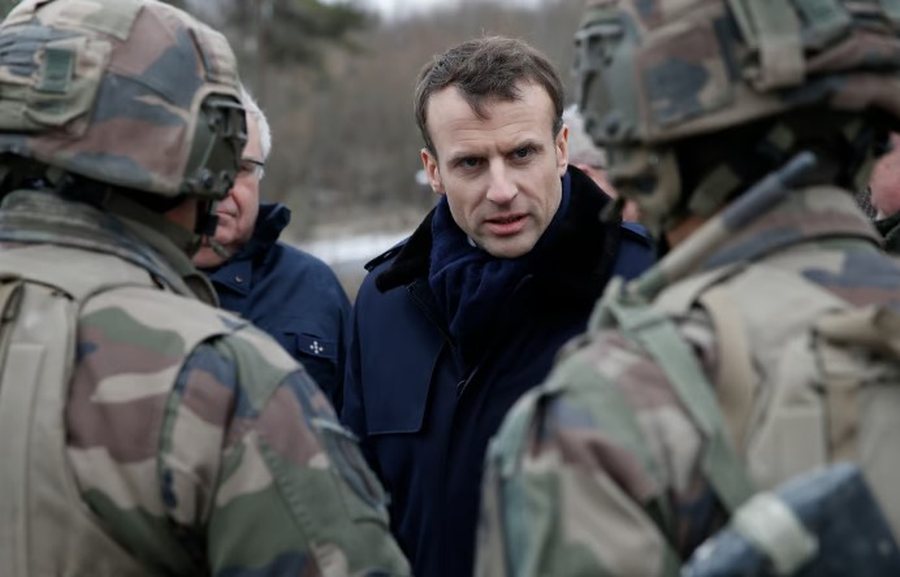
The Bayrou government is preparing a leaflet that will inform citizens about threats ranging from natural disasters, health crises, to armed conflicts. It mentions the survival kit, practical advice on how to protect yourself, and instructions on how to contribute as volunteers to emergency and rescue operations.
France is preparing for a major emergency. Even for the worst-case scenario: an armed conflict on its territory. And as Scandinavian countries have already done, the government led by François Bayrou is compiling a leaflet for citizens to help them prepare for the growing threats.
"The survival manual aims to encourage citizens to develop their resilience in the face of different types of crises," a spokeswoman for the prime minister told CNN. She referred to natural disasters, technological and cyber incidents, health crises such as Covid-19, and security crises such as terrorist attacks and armed conflicts.
On March 5, during a televised address to the nation, French President Emmanuel Macron called on his country to “engage” in confronting the “Russian threat.” And now Paris, like other European capitals, is working on national rearmament.
The European Council is continuing intensive discussions in Brussels on rearmament and defense against aggression. In early March, Macron announced a major reorganization of the French security forces, including a plan to increase the number of reservists from 40,000 to 100,000 by 2035.
Further measures regarding military capabilities, investments and equipment will be announced soon, because "France and Europe must continue to defend, equip and prepare if we want to avoid war," the French president stressed.
"No one can say for sure what will happen in the coming months and years!" Macron stressed. To prepare the French, all that is missing is official approval from the Paris government, and then the 20-page brochure will begin to be distributed before the start of the summer.
It will be divided into 3 sections, and will offer practical advice on how citizens can protect themselves and their families in the event of an immediate danger. It will mainly be recommendations on supplies to have at home, and on first emergency measures in the event of a military conflict, communication and power outages, and extreme weather events.
Such as having a list of emergency contacts (fire, police, and ambulance), and knowing which radio channels to tune to, making sure all doors are locked in the event of a nuclear accident.
They will also be recommended to keep a "survival kit" at home, which includes 6 liters of bottled water, several food packages, a flashlight with batteries, basic medical supplies such as paracetamol, tablets, and saline solution.
But it will also encourage the French to volunteer in the community to help with emergency and rescue operations, whether they are firefighters, military reserves, healthcare or civil protection.
"The first step in engaging citizens is to educate them about the threats and stay up to date with the latest developments. We are doing everything we can to ensure that citizens are prepared to react in the event of a crisis," the government spokeswoman continued.
In Sweden and Finland, authorities have been on the move for some time. Leaflets distributed to millions of households in the Nordic countries contain instructions on what to do in the event of a major emergency: from stockpiling bottled water and sanitary products to growing edible plants at home.
Government officials have offered advice on how residents can support themselves in the event of war. The brochures also include advice for parents and caregivers, instructing people on how to store diapers, medicine and baby food.
In Sweden, the booklet titled “Om krisen eller kriget kommer” (If a crisis or war comes), includes recommendations for evacuation, how to stop bleeding from wounds, how to cope with anxiety, caring for pets, how to talk to children about the crisis and war, and how to support the most vulnerable members of the community.
Although living in a turbulent region and with many past or simmering conflicts still simmering beneath the surface, Edi Rama's government seems to be living in a parallel dimension. Regional and global tensions are very high, yet we have not seen the National Security Council convene or any plan of measures to protect the population. / Adapted from "Pamphlet" By " Huffington Post Italia"


Lini një Përgjigje