


 Shkruar nga Angelo Bolaffi
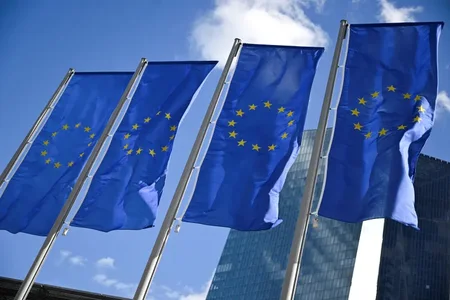
At stake is not only the future of German democracy, but also of the European Union and what is still left of the West.
Public opinion and the Italian media are watching with a mixture of great alarm, but also hidden pleasure (the latter in German is called Schadenfreude, joy at the misfortune of others), the deep crisis that the economy and political life in Germany have entered.
The dominant element of the analyses is the surprise at the end of the stability of the German political system.
A stability that until yesterday the Italians had considered, even before the admirable efficiency of the economic system and productivity, as the decisive and founding element of Germany as the heart of European power.
Evidence of this behavior is the great nostalgia for Angela Merkel and her long reign, which is appearing on the pages of major newspapers and on television shows, as a kind of Golden Age now lost by the Old Continent.
Meanwhile, in the same period, between 2005 and 2021, Italy had 10 different governments: from the last Berlusconi to Draghi's. Of course, this is a controversial rereading of history.
It would be enough to recall the very harsh criticisms that the same newspapers and programs once made of the so-called policy of economic austerity measures, defended by the Chancellor and Germany and which were "imposed" on Italy in the mid-2000s during the "debt crisis".
In reality, Italy has a vital interest in Germany regaining political stability and above all in the recovery of its economy. Because Germany is our country's main trading partner and well-being (something that is often forgotten).
Italy is very dependent on the pull of the "German locomotive", and since it is never a good sign for Europe when Italians and Germans are not in harmony with each other, the fact that the two countries signed an action plan in November of last year. , which, even if not formally, in practice has the same value as the Elysee Treaty between France and Germany, could favor the development of a joint European action, starting from the now inevitable issue of controlling migration. phenomenon.
Of course, this is not the first time that the German economy has experienced a period of serious crisis. For example, at the beginning of this century, after gigantic efforts to reunify the country, Germany was defined by The Economist as the "sick man of Europe."
Helmut Kohl (whose historical merits cannot be taken away by any criticism) guaranteed a long era of political stability, at the cost of a systematic postponement of necessary economic and social reforms.
Edhe kur një luftë, ajo e ish shkak nga shpërbërja e-Jugosllavisë po përgjakte përsëri në Evropë, ndonëse nuk arriti ta njollosë besimin euforik se Wendezeit (epoka e ndryshimit) e nxitur nga rënia e Murit të Berlinit, kishte vërtetuar fundin e historisë.
Por ngjashmëritë e mëparshme midis asaj që ndodh gjatë çerek shekullit dhe realitetit të sotëm janë mashtruese Në fakt, pas zgjedhjeve të vitit 1998 dhe formimit të midis socialdemokratëve dhe të gjelbërve, të udhëhequr nga Gerhard Schroed dhe Joschka Fischer, sistemi politik gjerman ishte në gjendje të sillte një ndryshim rrënjësor, si brenda ashtu edhe ndërkombëtarisht.
Miratimi i “Agjendës 2020”, aq shumë nuk është nga kancelari socialdemokrat, ka nevojë për një reformë rrënjësore të sistemit të mirëqenies sociale dhe të lartë të punës që i garanton Gjermanisë, siç u pranua me mëkatet e vete Merkelit, të ardhurat më të mëdha të tyre. globalizimi, duke e bërë shitësin në eksportin e botës.
Në politikën e jashtme, me forcë ushtarake në krah të aleatëve të NATO-s në mbrojtje të Kosovës në emër të “kurrë më Aushvic në këtë rast me vullnetin e Fischer, Gjermania e theu me tabunë e vetë-imponuar të pacifizmit absolut.
Asgjë e tillë nuk ka ndodhur që nga zgjedhjet e vitit 2021, dhe koalicioni i udhëhequr nga Scholz, po del në pah si qeveria mund të jetë më e dobët e Gjermanisë pas luftës, duke e zhytur në të gjithë sistemin politik në një histori nga e cila do të jetë shumë e vështirë të dalë.
Kancelari i ardhshëm, duhet të përballet me marrëveshjet e Zeitenwende (nga ndryshimi epokal) pas përfundimit të epokës së tregtisë së lirë e të multilateralizmit. Kjo do të thotë vendosje në praktikë në ekonomi dhe në shoqëri e “Agjendës 2030”, dhe në politikën e jashtme të bindësh votuesit se siguria e vendit (dhe e Evropës), nuk mund t'i besohet më dashamirësisë së lidershipit amerikan.
Dhe se për këtë arsye i takon Gjermanisë, në një botë të karakterizuar nga konkurrenca midis fuqive të mëdha, që kanë marrë më shumë dhe gjeografinë ekonomike. Prandaj sot nuk është e tepruar të flitet për një “çështje të re të Gjermanisë”.
Në lojë nuk është vetëm e ardhmja e demokracisë gjermane, por edhe e Bashkimit Evropian dhe asaj çfarë mbetet nga Perëndimi. Përndryshe, siç ndodh në fondin e Republikës së Vajmarit, kur KPD (Partia Komuniste e Gjermanisë) hyri në një aleancë me NSDAP (Partia Nacionalsocialiste e Punëtorëve) për të diktuar axhendën politike në Gjermani, ketyrë do të jetë ekstremizmi i populizmit kuqo-kaf. i Sahra Wagenknecht dhe i neonazistëve të AfD (Alternativa fϋr Deutschland) e cila propozoi si kandidate për kancelare në zgjedhjet e reja të vitit 23 shkurtit Alice Weidel.
Dhe gjatë bisedës direkte në X me Elon Musk, Wiedel u përpoq ta shpërblente duke marrë nga këshilltari i Trump, duke e sulmuar veten si një lloj ekstremisteje neoliberale si Havier Milei në Argjentinë.
In her speech, she mentioned the “real” themes with which she aims to win the elections: historical revisionism, support for Putin and the racist project of “expelling” foreign workers. / Adapted from “Il Foglio” “Pamphlet”/



Lini një Përgjigje