


 Shkruar nga Pamfleti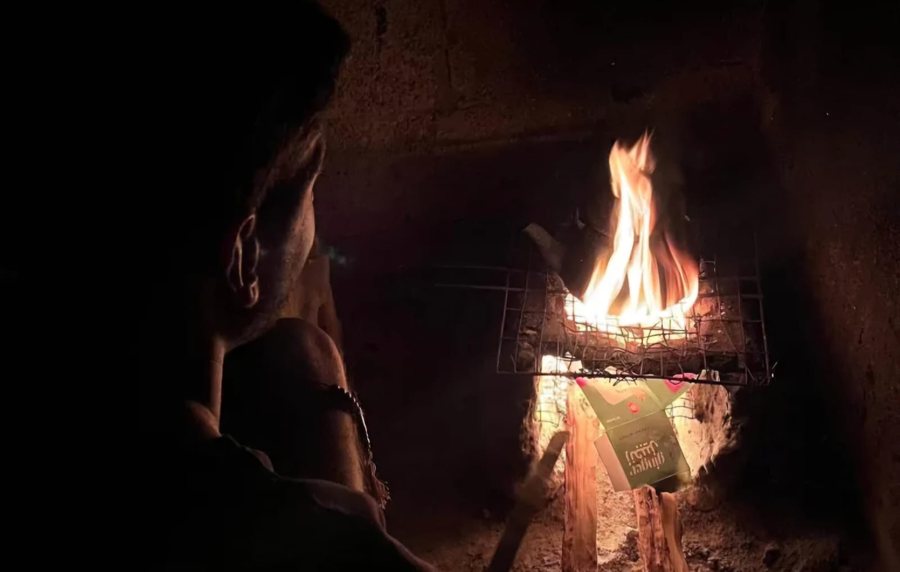
In Gaza, the kitchen has become a toxic zone. Families are cooking with plastic and garbage, inhaling poison bite after bite…
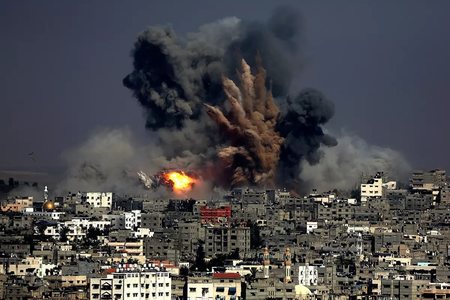
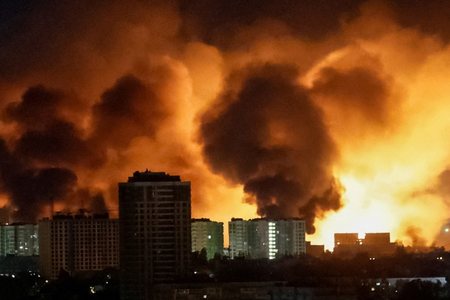
In Gaza, there are no more sounds of life. There are only sounds of fear: the drones overhead, the screams of ambulances in the narrow alleys, warplanes ripping through the sky, explosions tearing apart buildings, and screams from the rubble. But now a new sound has been added: the empty sound of empty gas canisters.
The small click of the gas stove, that buzz of everyday life that heralded a warm meal or a cup of tea, has been replaced by the silent sound of emptying. In the middle of Ramadan, like most families in Gaza, they too used up the last bit of gas. The author’s mother said sadly: “From today, we can’t even boil a cup of tea for suhoor.”
Because in Gaza, even a flicker of light at night can kill you. A flicker of fire can make you a target for a drone. Why? Even the residents themselves don't know how to say it. They just know they have no right to ask.
After bakeries closed due to a lack of gas, fire became the only means of survival. Everyone, from children to the elderly, began using improvised clay stoves on the streets or between tents to bake bread.
But the smoke, black, thick, heavy, is no longer from the bombs. It is the smoke of "life" that is slowly suffocating them.
Every morning begins with a cough. Not a passing cough, but one that sticks in your chest, that slams your lungs. People describe how they gather wood from the rubble, broken furniture, fallen trees, everything that carries memories, now turns into fuel to survive.
Burning is not easy. It takes hours, a lot of effort, and a lot of poison to inhale. The father helps despite his respiratory illness, an act of stubbornness that becomes a source of family conflict.
The price of wood has increased fivefold. At a dollar for eight kilograms, today you can only buy one, maybe not even that much. The impoverished burn their trees. The olive tree, once a symbol of blessing, is now the fuel of survival.
Others have moved on to a darker phase: burning plastic, tires, garbage. The smell of plastic smoke accompanies every bite. Food tastes like poison. Smoke that causes chronic diseases, breathing difficulties, even cancer. But what alternative do they have? Without fire, there is no food.
The kitchen, once a place of warmth and family togetherness, has become a toxic zone. Eating is no longer a pleasure, but a painful act accompanied by tears, coughing, and fear. Bread is made from moldy flour, soup from lentils and dust.
The tradition of meals has been destroyed. Dinners are no longer moments of togetherness, but tests to be faced. Every meal is a health risk. Prayers are no longer for peace, but that the smoke of the day may not cause new diseases.
If a bomb doesn't kill you, then death will come more slowly from smoke, from poison, from international silence./ Pamphlet




Lini një Përgjigje