


 Shkruar nga Vittorio Sabadin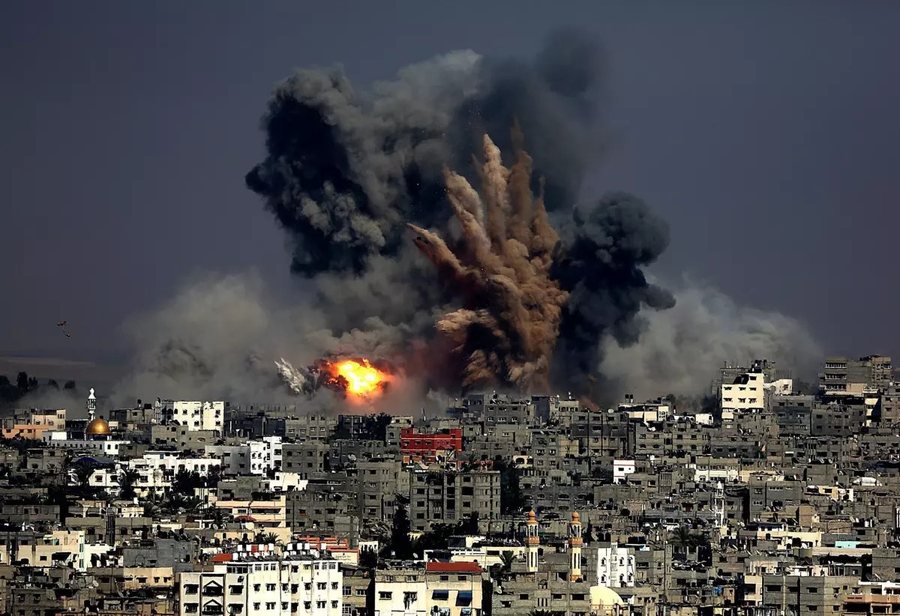
The normalization of violence is taking place in half the world, casting dark shadows over the future of humanity. It is urgent that the international community find a new way to curb conflicts, because the old method is no longer working.
The conflicts in the world have long been at an impasse, and no one seems to have the power to resolve them. So what is happening? Why are the old rules, which have generally guaranteed a good level of coexistence for decades, being broken?
What happened to the international norms that, after World War II, established the principles of proportionality and moderation even in armed conflicts? Global instability has replaced what little certainty we had left, and it doesn't look like it will end anytime soon.
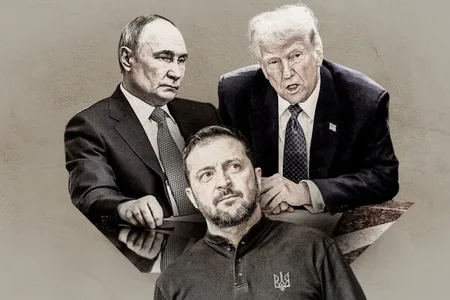
US President Donald Trump created the illusion in many people that he had the solution for Gaza and Ukraine "in his pocket". But seeing that every effort was futile, he too has begun to retreat. Now Pope Leo XIV has entered the scene.
The American daily Wall Street Journal has confirmed that a first summit between representatives of Moscow and Kiev will take place in the Vatican in mid-June, although the Kremlin has denied that the issue has been discussed.
Most analysts believe that Russian President Vladimir Putin will only try to buy time: summer is approaching and his army will use it to occupy other parts of Ukraine, further strengthening his power to then dictate the terms of peace.
There are no encouraging signals from Israel either. Despite strong international pressure and unanimous condemnation of the bloody continuation of the military response to Hamas's aggression of October 7, 2023, Prime Minister Benjamin Netanyahu seems determined not to stop.
Its political survival is only possible with a complete victory. During the Cold War, the United States and the Soviet Union had divided the world into parts, in which each exercised control in its own way.
The creation of international organizations like the United Nations helped strengthen stability, while America had led the evolution of international order and global trade since the 1950s, expanding its cultural and economic influence over much of humanity.
Today we know that these decades of stability have also had their downsides: the most powerful countries have benefited disproportionately, and as the new wealth has been distributed, inequality and environmental degradation have increased in parallel.
Then suddenly everything changed. The attack on the Capitol in Washington on January 6, 2021, highlighted a new fragility of democracies, even those consolidated over time.
Teknologjitë robotike dhe inteligjenca artificiale, kanë filluar të trazojnë tregun e punës, ndërsa shpejtësia e informacionit e ka bërë gjithnjë e më të vështirë dallimin e së vërtetës nga manipulimi. Rezultati është një erozion i besimit tek qeveritë dhe institucioneve, teksa zgjidhjet e problemeve po kërkohen tek nacionalizmi populist, ksenofobia, proteksionizmi dhe autoritarizmi.
Sot shumë udhëheqës politikë, duket se veprojnë jashtë çdo rregulli etik, të nxitur të besojnë nga inkurajimi që marrin në mediat sociale, se kjo është edhe dëshira e atyre që votuan për ta.
Rregullat e vjetra janë prishur edhe në luftë: sot përdorimi i dhunës pa dallim, me sulme ndaj infrastrukturës dhe popullatës civile, është i tmerrshëm në efektet e tij të menjëhershme, por në të njëjtën kohë po i minon normat ndërkombëtare, i inkurajon të tjerët të bëjnë të njëjtën gjë dhe e nxit hakmarrjen.
Luftërat nuk po mbarojnë edhe sepse janë bërë më të vështira për t’u fituar. Në Ukrainë, përdorimi i dronëve dhe predhave autonome e ka bërë jashtëzakonisht të rrezikshme lëvizjen e lirshme të trupave, duke i detyruar ata të strehohen në llogore, siç bëhej më shumë se një shekull më parë.
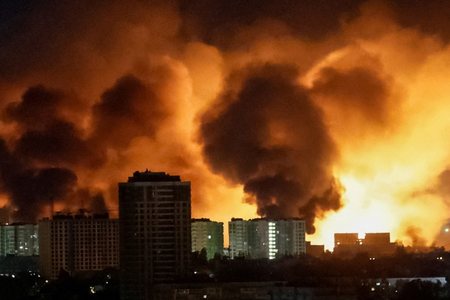
Në Izrael, ajo që po e pengon përfundimin e luftës, është fakti se për Netanyahun fitorja ka të bëjë me kontrollin total të Gazës, ndërsa për Hamasin në lojë është vetëm mbijetesa e organizatës. Objektivi i Izraelit kërkon një shkatërrim në shkallë të gjerë, edhe me koston e jetës së shumë civilëve dhe pengjeve.
Ndërsa ai i Hamasit, është më modest dhe lehtësisht i arritshëm. Në fakt, sa më shumë rrënoja dhe viktima të ketë në Rripin e Gazës, aq më mirë është për këtë të fundit, sepse dëmtohet mbështetja ndërkombëtare për Izraelin.
“Rojtarët” që për dekada janë përpjekur ta mbajnë botën të qetë nuk janë më. Rezolutat e OKB-së nuk po respektohen. Gjykata Ndërkombëtare Penale e Hagës lëshon urdhër-arreste për krime kundër njerëzimit, të cilat nuk i zbaton askush, madje po tallet sepse kreu i saj detyrohet të japë dorëheqjen për shkak të dyshimeve për krime seksuale.
Vladimir Putini vazhdon që të ndjekë qëllimet e tij pa e dëgjuar presidentin e SHBA-së, Donald Trump apo Bashkimin Evropian. Edhe Netanyahu bën të njëjtën gjë. Në marrëdhëniet ndërkombëtare, duket se po fiton terren një doktrinë e re: secili duhet të mendojë për veten e tij dhe të marrë atë që i nevojitet.
Në Perëndim, po flitet shumë për tmerret në Gaza dhe Ukrainë, sepse imazhet dhe dëshmitë e këtyre konflikteve, kanë qenë pjesë e jetës sonë të përditshme për muaj të tërë. Por dhjetëra konflikte të tjera janë duke u zhvilluar në Somali, Niger, Burkina Faso, Eritre, Sudan, Mozambik, Mianmar, për të cilat nuk flitet pothuajse asnjëherë.
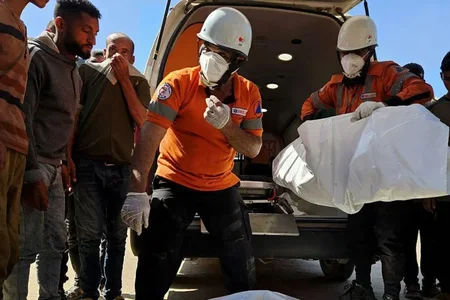
Even in these countries there are children dying of hunger, there are thousands of deaths and there are exhausted populations that need help. The normalization of violence is taking place in half the world, casting dark shadows over the future of humanity. It is urgent that the international community find a new way to curb conflicts, because the old method is no longer working./ Adapted from "Pamfleti" by "Il Messaggero"


Lini një Përgjigje