


 Shkruar nga Pamfleti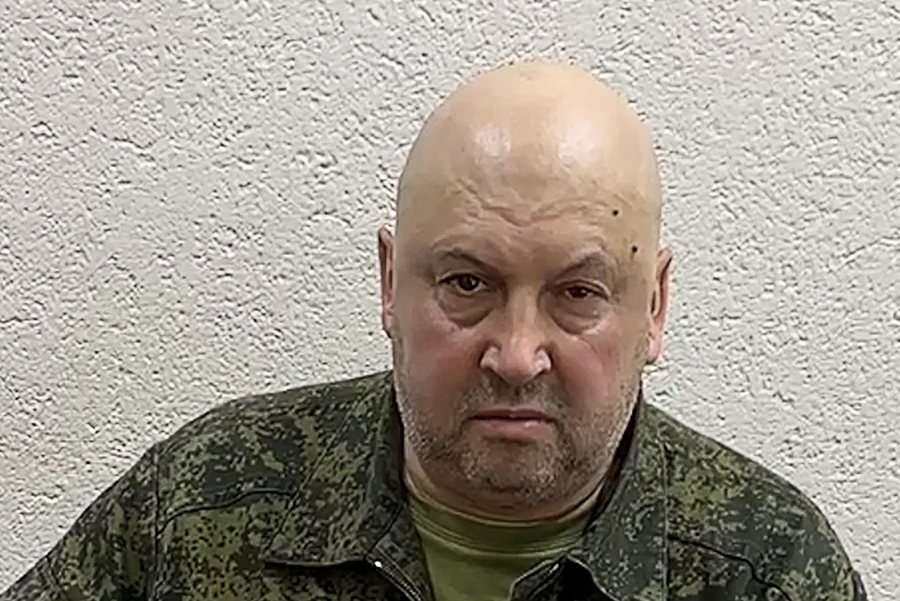
About this man with a dark reputation, but with very high military efficiency, in these hours it had started to be talked about again. The scoop was launched by the New York Times: in these hours US intelligence is "trying to figure out" whether Surovikin, a hero of the field defense in Moscow's darkest hour, somehow helped Evgeny Prigozhin, as in the occupation of Rostov in the Don, but also in the organization of the March to Moscow. The Wall Street Journal also echoed the news. According to the reconstruction of its sources, the newspaper claims that the ultimate goal of Prigozhin and his associates was to capture Shoigu and Gerasimov, during a visit that the two were supposed to make in the south of the Russian Federation.
Surovikini, who enjoys the respect and reverence of his troops, but also the admiration of Wagner's boss himself, was promoted last January. In those days, in fact, the promotion of General Alexander Lapin, from commander of the Central Military District to chief of staff of the ground forces, was read as a response to those who demanded a more destructive commitment from Moscow in the war against Ukraine. Faction which also includes the founder of Wagner, and the deputy chairman of the National Security Council, Dmitry Medvedev. In turn, Surovikin was replaced by Valery Gerasimov, becoming the sacrifice of the withdrawal from Kherson. An action that was welcomed, in view of the spring offensive.
Last weekend, as the epic of Prigozhin and his men was consumed, Surovikin addressed the mercenaries, inviting them to throw down their hats. Officials quoted by the US newspaper claim that Surovikin was involved in last week's events, which would be a further sign of the fratricidal war within the Russian military leadership between Prigozhin's supporters and two of Putin's top advisers. According to sources, the closeness between Surovikin and Prigozhin may also explain why the latter is still alive.
"Speculation!" This is how Kremlin spokesman Dmitry Peskov qualified the NYT's statements, reducing them to the level of rumours, regarding the Prigozhin affair. Suspicion against Surovikin was also heightened by a report published by oligarch Mikhail Khodorkovsky's platform Dossier Center, which claims that Surovikin was secretly an honorary member of Wagner, along with 30 other high-ranking generals, since 2017 .
The partial reconstruction is also related to the alleged "disappearance" of Surovikin, starting last Saturday: hence the hypothesis of arrest or interrogation.
In the hours of the alleged coup, the general had addressed Wagner's forces in a video, in a paternalistic and conciliatory tone at the same time: “I call on you to stop. The enemy is only waiting for the internal political situation in our country to worsen. You cannot play the enemy's game at this difficult time for the country” […] You must do it before it is too late, obey the will and orders of the President of the Russian Federation elected by the people. Stop the convoys - he adds - go back to your bases, let's solve everything by peaceful means. Together with you we have gone through a difficult path - he added, referring to the joint fighting in Ukraine -, we have fought together with you, we have taken risks, we have suffered defeats, we have won together. We are of the same blood, we are warriors".
Për zyrtarët që folën me redaksinë e NYT, videoja ishte autentike, por jo e vërtetë: sipas disa analistëve, gjuha verbale dhe joverbale e Surovikinit kishte të gjitha karakteristikat e komunikimit të një “pengu”: me sa duket ishte detyruar t’i drejtohej Prigozhinit si vartës, pavarësisht se kishte ndarë gjithmonë pikëpamjen negative të udhëheqjes ushtarake ruse.
Nëse do të kishte prova për këtë mbështetje të jashtme, e cila do të shpjegonte gjithashtu besimin me të cilin Prigozhini ka zgjedhur të marshojë drejt Moskës, edhe Surovikini do të ishte në rrezik. Megjithatë, në komunikimin e Putinit, vulgata e historisë (të paktën deri tani) i referohet gjithmonë dhe vetëm kreut të Wagner-it, pa përfshirë konkluzione kundër sferave të tjera të forcave ruse. Nëse Surovikini do të dëshmonte se është i përfshirë në mënyrë aktive, Putini do të kishte shumë pak opsione në tryezë: megjithatë, kishte shumë që vinin bast se asgjë nuk do t’i ndodhte gjeneralit të hekurt, duke pasur parasysh dhe duke marrë parasysh prirjen e Putinit për zëvendësime dhe për çdo gjë që mund të tradhtonte një dobësi në zinxhirin e komandës.
Por nëse shërbimet sekrete e detyrojnë Kremlinin të veprojë përballë provave të pakundërshtueshme, kthesa të mëtejshme mund të vijnë nga Moska. Surovikini, për më tepër, është një i dyshuar autoritar, por ai nuk është i vetmi mbi të cilin varen dyshimet e establishmentit rus: i gjithë boshti anti-Shoigu-Gerasimov dyshohet se ka qenë në anën e Prigozhinit. Në fakt, mbetet ende për t’u sqaruar lehtësia groteske me të cilën u mor Rostovi dhe me të cilin u krye i gjithë operacioni, të cilin vetëm Wagneri nuk mund ta kryente në mënyrë autonome logjistike pa llogaritur mbështetjen e madhe.
Moreover, there is a not insignificant detail: Surovikin and Prigozhin are "old comrades in arms": both fought side by side in the Syrian scenario and often made very flattering comments to each other. Last but not least, both remain the only ones, within an absolutely failed Russian strategy and tactics, that have produced impeccable results, despite questionable choices of high command (Kherson and Bakhmut). This is certainly not proof of reconciliation, but a further indication of understanding between the two. / Il Giornale – Bota.al


Lini një Përgjigje