


 Shkruar nga Dan Sabbagh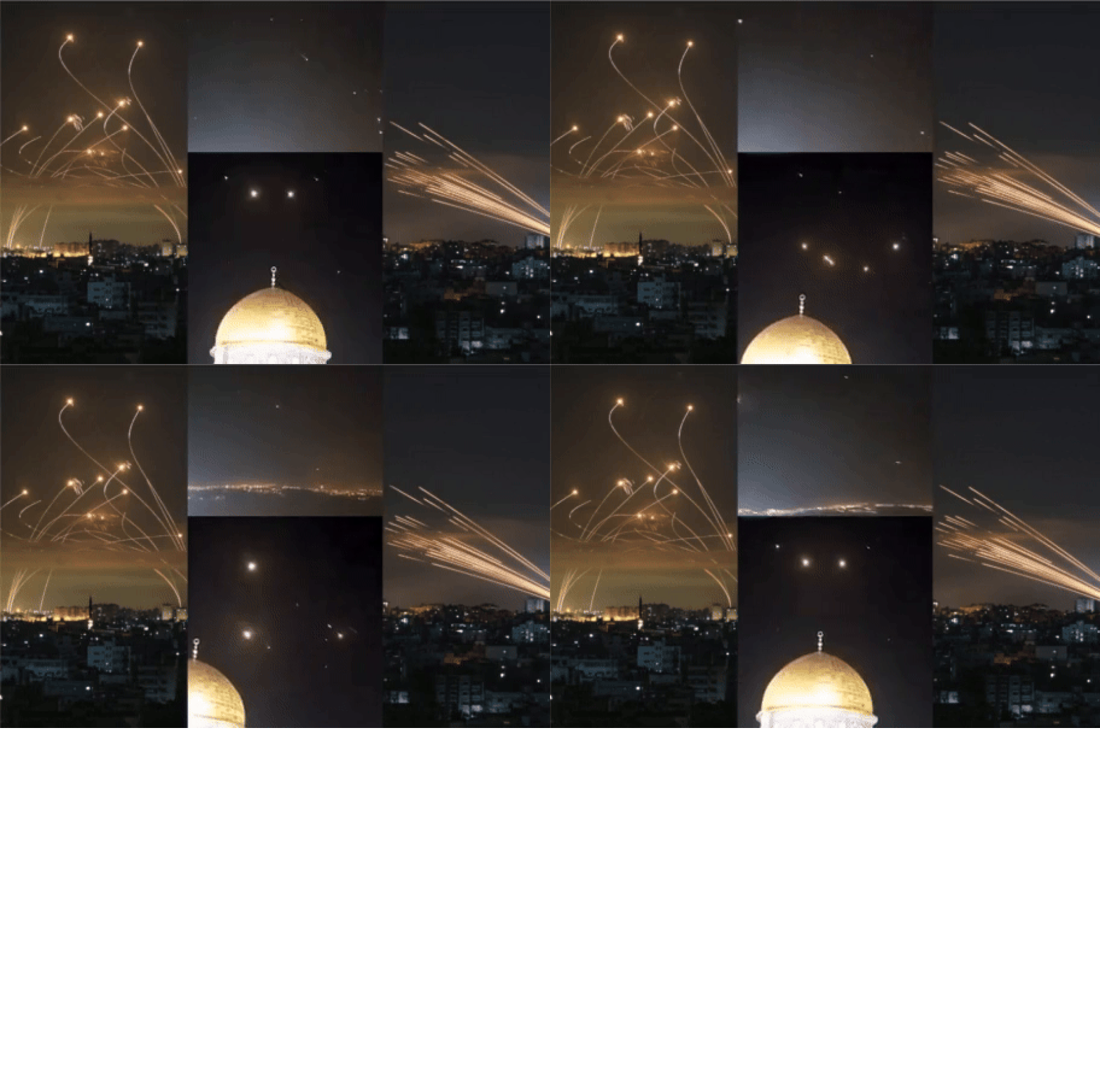
The attack cost Iran dearly, with ballistic missiles generally costing upwards of £80,000. The United States estimates that Tehran had about 3,000, the largest arsenal in the Middle East.
Massive drone and rocket attack defeated by Israeli military with orchestrated help from US, UK and Jordan
Iran's long-awaited missile and drone attack was defeated with the orchestrated help of the US, UK and Jordan, who, along with the Israeli military, ensured that all but a handful of ballistic missiles were neutralized overnight .
The Israel Defense Forces (IDF) said on Sunday that around 360 missiles and drones were fired from Iran and that "99% of the threats" had been intercepted in a successful defense mission that may have cost Israel £800m - but it will have saved many lives and damaged Iran's military credibility.
Iran's plan appears to have been to try to defeat Israel's air defense system with a complex attack of the type used by Russia against Ukraine, but on a much larger scale. It included relatively slow-moving drones, faster cruise missiles and high-velocity ballistic missiles capable of traveling several times faster than the speed of sound.
Although the attack was well telegraphed, with Iran's foreign minister, Hossein Amir-Abdollahian, saying on Sunday that he had given neighboring countries 72 hours' notice, its scale was apparent. Roughly three times the size of a large-scale Russian attack on Ukraine and involving over 100 ballistic missiles, the attack was a serious threat to any air defense system.
Iran's Chief of General Staff, General Mohammad Bagheri, said on Sunday that the operation was considered a success and further strikes by it were not necessary - but while Tehran will have learned about Israel's air defences, the extent of low impact appearance, especially from the rocket, is likely to be a disappointment.
By comparison, the surprise drone and missile attack on two Saudi oil installations in Abqaiq and Khurais in September 2019, orchestrated by Iran, temporarily destroyed 5% of the world's oil supply. Estimates vary, but two or three dozen drones and missiles were used at the time.

“Look at the size and scale of this latest attack – this was not a helpful move. It was designed to cause real damage, but the fact that it didn't hurts Iran's credibility," said Sidharth Kaushal of the Royal United Services Institute.
Brenda natës, ndihma ndërkombëtare ishte kritike në eliminimin e dronëve që lëviznin më ngadalë: SHBA tha se kishte rrëzuar rreth 70 dronë dhe tre raketa. Kryeministri i Mbretërisë së Bashkuar, Rishi Sunak, shtoi se RAF kishte përgjuar një numër të paspecifikuar. Raporte të tjera treguan se Jordania, një aleat i vjetër i SHBA-së, kishte rrëzuar dhjetëra dronë të tjerë mbi hapësirën e saj ajrore.
Puna së bashku për të eliminuar dronët dhe raketat e lundrimit dhe balistikës do të kërkonte planifikim të kujdesshëm, shtoi Kaushal. “Kjo është komplekse në çdo mënyrë. Mbrojtësit ishin një forcë shumëkombëshe, e cila duhej të vepronte në një mënyrë të pakonfliktuar, duke u përballur me një përzierje armësh me karakteristika të ndryshme fluturimi, nga dronët me lëvizje më të ngadaltë deri te raketat balistike në lartësi të madhe.
Ushtria izraelite tha se të 170 dronët e lëshuar nga Irani, me gjasë të jenë nga familja e tij Shahed, u rrëzuan përpara se të arrinin në hapësirën ajrore izraelite. Në vetvete, dronët nuk janë shumë kërcënim, në gjendje të mbajnë vetëm një bombë modeste deri në 50 kg, por synimi i tyre është të lidhin mbrojtësit.
Videot e zanatit, të qarkulluara në rrjetet sociale disa orë para se të rrëzohej, u dhanë atyre që u përgjigjën mjaft kohë për të reaguar. Motorët e zhurmshëm sugjeruan se ata ishin Shahed-136 me fluturim të ngadaltë, i cili do të merrte gjashtë orë për të fluturuar nga Irani në Izrael, megjithëse disa media izraelite raportuan se Irani kishte lëshuar motorin më të shpejtë me motor jet Shahed 238, i cili udhëton tre herë më shpejt dhe i cili koha e fluturimit përputhej me ngjarjet gjatë natës.
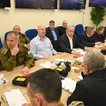
Megjithëse pjesëmarrja e vendeve të tjera përveç SHBA-së mund të ketë qenë një surprizë brenda natës, kishte mjaft kohë për të planifikuar. Kanë kaluar 10 ditë që kur SHBA paralajmëroi për herë të parë për një përgjigje nga Teherani, dhe SHBA dhe Britania e Madhe kishin lëvizur asetet ushtarake në Lindjen e Mesme për t'u përgatitur që atëherë.
Të premten, SHBA tha se kishte zhvendosur asetet në rajon, por nuk pranoi të jepte detaje të mëtejshme, ndërsa Mbretëria e Bashkuar rriti praninë e RAF në bazën ajrore Akrotiri në Qipro. Planifikimi ishte në vend në fund të javës, me kryeministrin, Rishi Sunak, duke thënë të dielën se ai kishte nënshkruar përfshirjen e Britanisë në një takim urgjent të Cobra dy ditë më parë.
Izraeli tha se Irani lëshoi gjithashtu 30 raketa lundrimi drejt territorit të tij, me avionët e IDF-së që kapën 25 "jashtë kufijve të vendit", sipas zëdhënësit ushtarak Daniel Hagari. Raketat me shumë gjasa janë Paveh-351 i projektuar rishtazi, i projektuar për të manovrueshëm gjatë fluturimit, por ende duhen dy orë nga Irani.
The most serious threat came from high-velocity ballistic missiles capable of flying several times the speed of sound and making the trip from Iran to Israel (about 600 miles at the closest points) in less than 15 minutes. More than 120 were launched into Israel, Hagar said, and he acknowledged that "some" crossed into Israeli airspace, some hitting the Nevatim air base.
Dealing with these was primarily the job of Israel's air defense system, which relies on missiles to shoot down incoming missiles. Hitting ballistic missiles was primarily the task of the Arrow 2 and Arrow 3 systems, produced in an Israeli-US collaboration but never used until the start of the Israel-Hamas war, supported by David's Sling, a long-range interceptor medium.
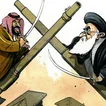
Brig Gen Reem Aminoach, a former financial adviser to the IDF chief of staff, told Israel's Ynet News that an Arrow missile typically costs $3.5m (£2.8m) at a time and David's Sling interceptors $1m (800,000 £). Adding up the cost of eliminating 100 ballistic missiles, plus the costs of the entire air defense campaign, is "an order of magnitude of 4 to 5 billion shekels (850 million to 1.1 billion pounds)," he estimated.
However, the attack was also expensive for Iran, with ballistic missiles generally costing upwards of £80,000. The United States estimates that Tehran had about 3,000, the largest arsenal in the Middle East./ Adapted from The Guardian






Lini një Përgjigje