


 Shkruar nga Pamfleti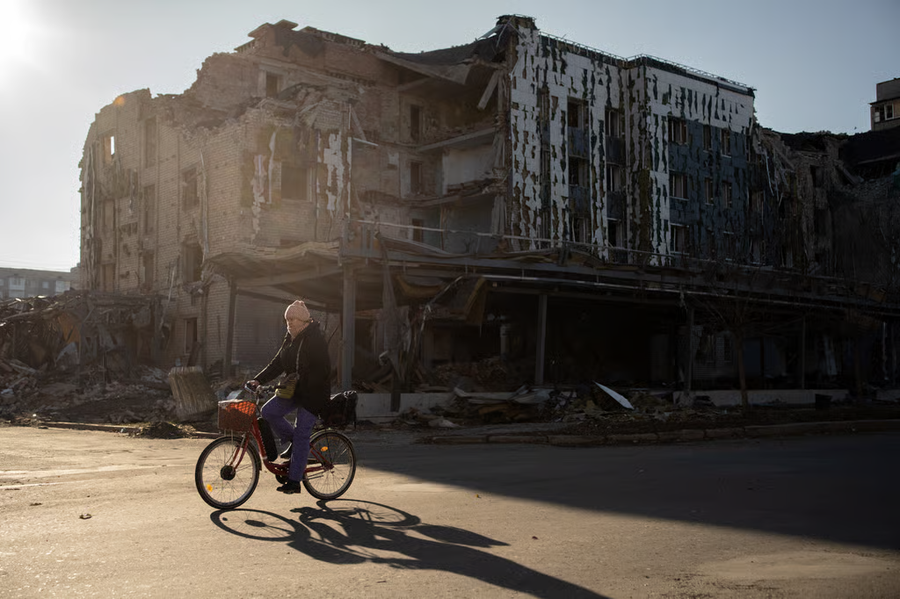
Leontovich is widely seen as a hero who stood up to Russia with his music a century ago, just as Ukrainians today are turning to guns, shells and drones to preserve their national identity from destruction by Moscow...
For Ukrainians, the devastated eastern city of Pokrovsk, where troops are locked in battle with the Russians this Christmas, is linked to one of their earliest cultural legacies: the Song of the Bells.
Western audiences may recognize the haunting, repetitive melody from the Hollywood film “Home Alone” and the TV series “Ted Lasso,” but this winter it has more poignant and political resonance for Ukrainians, as Pokrovsk is closely associated with the song’s composer, Mykola Leontovych.
Leontovich did not compose the Christmas carol in Pokrovs, as is widely believed, but the city played a crucial role in the development of both his music and the Ukrainian patriotic politics that led to his persecution by the Russians and ultimately his assassination by Soviet agents in 1921.
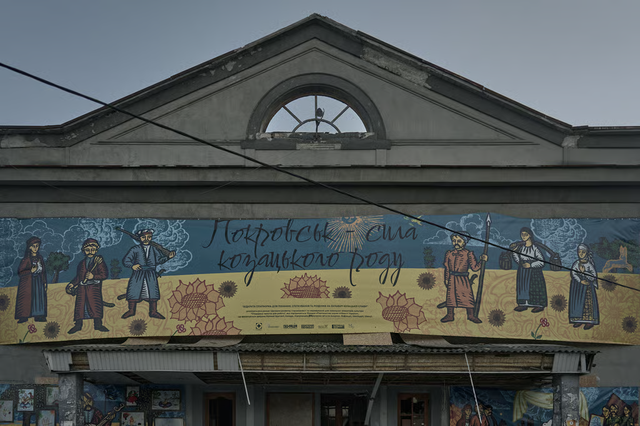
Leontovich was based in Pokrovsk in the first decade of the 20th century, teaching at a music school and conducting a railway workers' choir. He was inspired there by the distinctive Ukrainian folk traditions and would later base The Song of the Bells on another called Shchedryk. (Pokrovsk is named after Shchedryk's hometown.)
“Leontovich came to Pokrovsk with only a backpack. He developed as a composer and attracted the attention of gendarmes while defending workers’ rights. He even sang the Marseillaise with the local choir he led,” said Larysa Semenko, author of the book “Our Silent Genius, Leontovich.”
Semenko also was quick to point out that the Ukrainian political dimension of “Song of the Bells” was nothing new.
"It was never just a Christmas carol, but a Ukrainian cultural message to the world, a greeting card of the spirituality and resilience of a deep-rooted nation in the face of threat. The same threat our nation is fighting today," she said.
The song of an independent Ukraine
Leontovich is widely seen as a hero who stood up to Russia with his music a century ago, just as Ukrainians today are turning to guns, shells and drones to preserve their national identity from destruction by Moscow.
Sapo versioni i Leontovich-it për Shchedryk u shfaq premierë në Kiev në vitin 1916, ai u pa si një hit i mundshëm nga udhëheqësit e Republikës Kombëtare të Ukrainës, përpjekja jetëshkurtër e vendit për t'u çliruar nga Moska pas Luftës së Parë Botërore. Qeveria e re vendosi të dërgonte një kor kombëtar në turne nëpër Evropë me këngët korale të Leontovich-it në vitin 1919 për të promovuar njohjen e Republikës Kombëtare të Ukrainës.
Bota nuk e njohu kombin e ri, por Shchedryk i siguroi atij një vend në kulturën globale. “Edhe para përkthimit, ai ishte një sukses. Në Paris, në Pragë, në të gjithë Evropën, princat dhe mbretërit u magjepsën kur zbuluan se një kulturë kaq e pasur dhe e vjetër ekzistonte në kontinentin e tyre”, tha Semenko.
Përpara turneut evropian, këngëtarët nga kori ukrainas u detyruan të evakuoheshin në perëndim të Ukrainës, ndërsa bolshevikët pushtuan Kievin. Pas suksesit të tyre evropian, ata shkuan në Kanada dhe Shtetet e Bashkuara, tashmë si Kori Kombëtar Ukrainas, duke e sjellë Shchedryk në Amerikën e Veriut në vitin 1922.
“Shchedryk, i cili ishte një hit dhe gjithmonë luhej si bis, magjepsi Evropën dhe Amerikën, dhe i ndihmoi ukrainasit t’i tregonin Botës, kombin dhe shtetin e tyre”, tha studiuesi Anatoliy Paladiychuk.
Në vitin 1936, kompozitori amerikan Peter J. Wilhousky shkroi tekste në anglisht, duke e përshtatur Shchedryk në versionin e njohur në “West si Carol of the Bells” për një shfaqje në radion NBC.
Leontovich nuk jetoi për ta parë këtë sukses botëror. Me pretekstin se po luftonin kundër banditëve, shërbimi sekret sovjetik e vrau atë në janar të vitit 1921 në shtëpinë e prindërve të tij në rajonin perëndimor të Vinnicës. Ukrainasit e mësuan të vërtetën për vdekjen e tij vetëm pas hapjes së arkivave sovjetike në vitet 1990.
“Ashtu siç bëjnë tani në territoret e pushtuara të Ukrainës, autoritetet ruse panë një kërcënim në kulturën ukrainase. Ky ishte fillimi i terrorit të madh kundër luftëtarëve të lirisë, politikanëve dhe edukatorëve ukrainas. Leontovych ishte një nga shumë të vrarët”, tha Semenko.
Historia përsëritet
Pothuajse 105 vjet pas vdekjes së Leontovich-it, Rusia po përpiqet përsëri të zhdukë kombësinë ukrainase.
Ndërsa luftimet për Pokrovskun vijojnë prej më shumë se 18 muaj, Moska tani pretendon se e ka pushtuar atë.
Ushtria ukrainase këmbëngul se forcat e saj janë rikthyer në disa pjesë të Pokrovskut pas tërheqjes në nëntor. Kievi thotë gjithashtu se grupe të vogla ushtarësh rusë po infiltrohen për të realizuar foto me flamuj për qëllime propagande, por nuk e kontrollojnë plotësisht qytetin.
“Operacionet tona aktive në zonën e aglomeratit Pokrovsko-Myrnoпrad vazhdojnë. Në vetë Pokrovsk, në javët e fundit, ne arritëm të rimarrim kontrollin e rreth 16 kilometrave katrorë në pjesën veriore të qytetit”, tha Komandanti i Ushtrisë Ukrainase, Gjenerali Oleksandr Syrskyi, në një postim në Telegram.
Syrskyi vowed that Ukraine would continue to fight for Pokrovsk and strengthen its forces in the ruined city against hundreds of thousands of Kremlin soldiers.
American historian Timothy Snyder, a prominent expert on Ukraine, also relied on The Song of the Bells to highlight the continuity between Russian colonialism a century ago and President Vladimir Putin's assault on the country.
“Ukrainian culture is very important in our world, but our awareness of it is minimal: the murder of Leontovich and the transformation of Shchedryk is just a small example of this colonial history, a history that continues during the current occupation of Ukraine by Russia,” Snyder said in a post on Substack on December 14. /Adapted from Politico /







Sado.i.vogel.te.jet.nje.komb.kurr.nuk.shduket .