


 Shkruar nga Pamfleti
The clash in the Strait of Hormuz endangers global energy supplies and pushes Iran and the United States towards an open confrontation with unpredictable consequences...
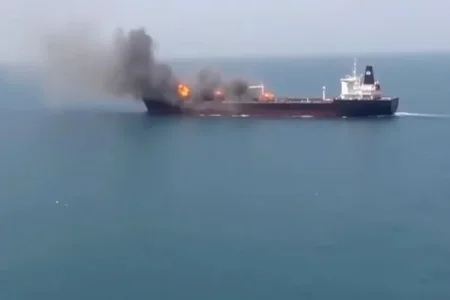
Recent events in the Strait of Hormuz are signaling a dangerous shift in global geopolitical balances, as tensions between Iran and Western powers enter a new, more direct and potentially explosive phase. Within hours, Iranian forces opened fire on two merchant ships passing through this vital corridor for the world economy, forcing them to stop and causing immediate alarm in international energy markets and global security decision-making centers.
The incidents, which coincide with a tense period due to clashing interests in the Middle East and failed attempts to revive nuclear negotiations, are being interpreted as a clear strategic message from Tehran: Iran is not only not backing down, but is ready to use geographical control as a weapon of pressure.
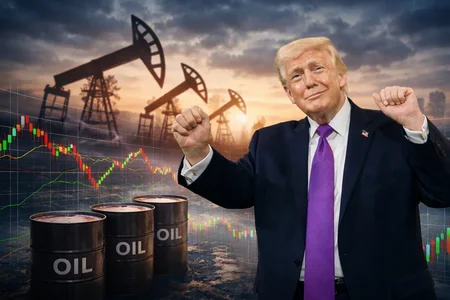
The Strait of Hormuz, through which about a fifth of global oil supplies pass, has once again become the epicenter of a crisis that could have far-reaching consequences beyond the region itself. Any interference in this narrow maritime passageway would immediately affect oil prices, supply chains, and the economic stability of importing countries, including European economies that are already vulnerable to external shocks. Reports indicate that maritime traffic has slowed significantly, while major shipping companies are reassessing their routes, increasing the costs and risks of supply. In this context, Iran’s actions are not simply military, but deeply economic and political.
Diplomatically, this development is a serious blow to any attempt at de-escalation. Relations between Iran and the United States have long been strained, but the recent incidents in Hormuz create a new reality where the clash could move from a phase of indirect pressure to open confrontation. The US and its allies have increased their military presence in the region, while each new incident increases the risk of a miscalculation that could ignite a wider conflict, which would also involve other regional actors such as Israel and the Gulf monarchies. Against this background, Hormuz is no longer just a sea route, but an undeclared front line.
From a strategic perspective, Iran is playing a calculated, high-stakes game. By targeting merchant shipping and imposing authority in an international area, Tehran is testing the limits of international response while simultaneously trying to strengthen its negotiating position. The message is twofold: to the West, that any economic or military pressure will have global costs; and to its regional neighbors, that Iran remains a key player that cannot be ignored. This strategy, however, carries the risk of further isolation and a direct confrontation that could spiral out of control.
For Europe and our region, the developments in Hormuz are a wake-up call for the fragility of energy security. Rising oil prices and supply uncertainties could directly impact fragile economies and social stability, recreating scenarios of economic pressure that the continent has experienced in recent years. As a member of NATO, Albania is part of a security architecture that can be indirectly involved in crisis management, whether through political stances or logistical support.
In conclusion, what is happening in Hormuz is not an isolated incident, but a symptom of a transforming international order, where regional powers are openly challenging the status quo and where red lines are becoming increasingly blurred. If tensions continue on this trajectory, the world could face a new energy crisis and a military escalation that would go beyond the borders of the Middle East, turning a maritime strait into a critical node of global peace and stability./ Pamphlet




Lini një Përgjigje