


 Shkruar nga Pamfleti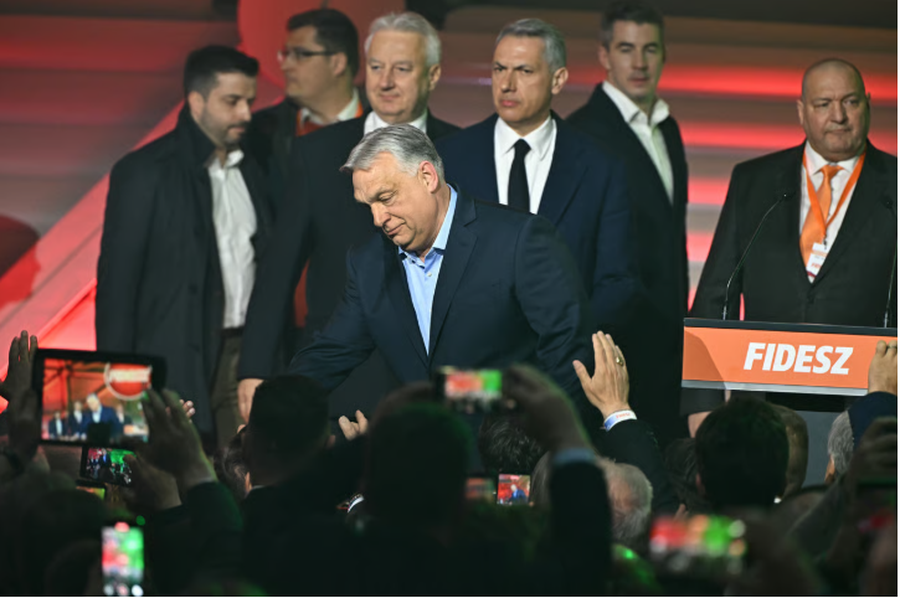
Magyar's victory is neither a rejection of national conservatism nor a liberal triumph
German Chancellor Friedrich Merz appeared pleased after Péter Magyar's convincing victory over incumbent Prime Minister Viktor Orbán in Hungary's parliamentary elections on Sunday.
"It's a good day," he told reporters, calling the result "a very clear signal against right-wing populism."
But is Merz right to interpret this victory as a rejection of national conservatism and a blow to the global right? Not entirely.
As centrist politicians in Europe openly express joy at the fall of a longtime adversary, and parties close to Orbán worry that US President Donald Trump may have become a political liability, there is a risk that the election result in Hungary will be over-interpreted. This result does not constitute a victory for left-liberalism.
The race focused largely on basic issues such as the economy and corruption. Magyar himself attributed his victory to a “good kind of populism” during a press conference on Monday. The new Hungarian parliament is expected to remain right-wing, with a nationalist and sovereigntist orientation.
For the MAGA movement, Magyar's victory was a surprise. Silence reigned in Washington after the loss of the movement's strongest European ideological ally, often called "Trump before Trump." While European leaders, including Italian Prime Minister Giorgia Meloni, congratulated Magyar, the US president did not react publicly.
This silence may indicate that even in Washington the result was seen as an unfavorable signal for populists. Trump usually expresses every opinion publicly, but this time he chose to remain silent.
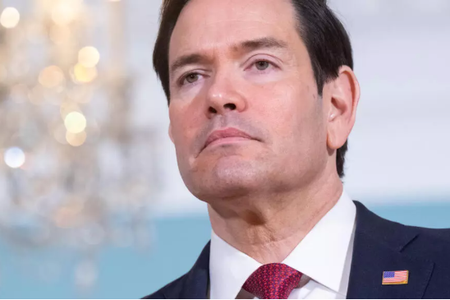
The US administration has invested heavily in supporting Orbán. Trump has publicly endorsed him several times and promised full economic support for Hungary if he wins. Senior US figures, including Vice President JD Vance and Secretary of State Marco Rubio, have also traveled to Budapest, demonstrating the importance Washington attaches to these elections.
However, despite these efforts and warning messages, including claims that without Orbán, Hungary could be drawn into war, Hungarian voters were not convinced.
Again, this is not a decisive blow to the far right. Politicians and analysts are often quick to herald an election as the start of a new international trend, but in many cases elections reflect local political and economic realities.
A similar example is the Labour Party's landslide victory in Britain in 2024, which came more as a rejection of Conservative governance than of conservatism itself.
Magyar's victory could be seen as a symbolic blow to populism, especially given the strong international support Orbán had received. It could also affect European political dynamics, isolating some Eurosceptic leaders and demoralizing similar movements.
It could also encourage European populist leaders to distance themselves from the MAGA movement, especially at a time when support for Trump has fallen in Europe.
However, the core of the result in Hungary is tied to concrete issues: a stagnant economy, deteriorating public services, and dissatisfaction with corruption. After 16 years in power, voters have grown tired of the rule of Orbán and his Fidesz party.
As Magyar himself pointed out, Hungary's history is not written in Washington, Moscow, or Brussels. It is determined by domestic developments.
The main lesson for any political leader is clear: if the economic and social problems of citizens are not addressed, electoral defeat is likely. In Magyar’s words: “You have to stand close to the people.” /Adapted from Politico /





Lini një Përgjigje