


 Shkruar nga William Christou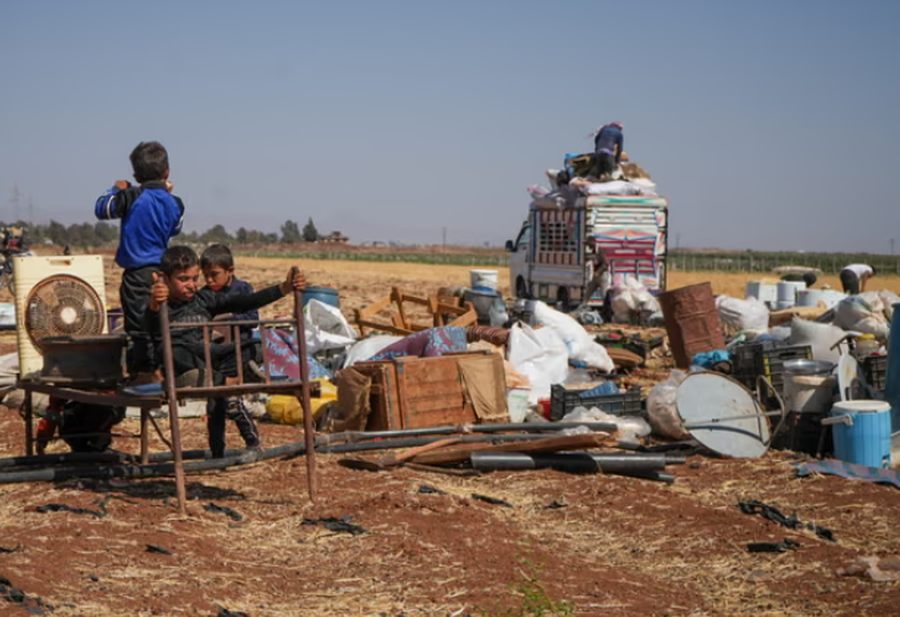
Sectarian divisions caused the worst unrest in Syria since March, as the Druze population of Sweida province suffered massacres and executions.
Bahaa* had no choice but to continue treating patients who passed through the doors of Sweida National Hospital in southern Syria.
Almost all had similar injuries: gunshot wounds and bodies torn apart by shrapnel from nearby exploding artillery.
"There were hundreds of wounded, no less than 200 bodies in the hospital. Many of them were shot in the head, as if they had been executed," said surgeon Bahaa, speaking about this week's events in Sweida, while using a pseudonym for fear of reprisals.
Videos filmed inside the hospital showed corridors filled with corpses, rooms filled with body bags and bodies piled up outside. A second doctor from the intensive care unit said the bodies had to be placed outside the morgue due to lack of space.
The casualties, both civilian and military, were some of at least 516 civilians and fighters killed in four days of fighting in the Druze-majority province, according to figures provided by the UK-based Syrian Observatory for Human Rights (SOHR).
At least 86 of those killed were field executions of Druze civilians by government fighters or allied militias, as well as three Bedouin civilians killed by Druze fighters, the SOHR said.
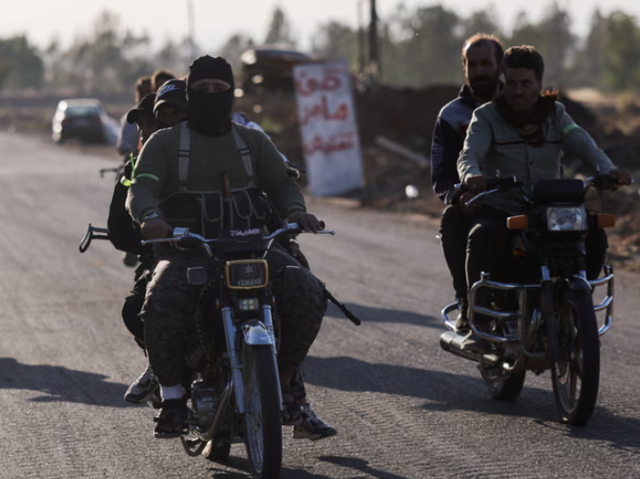
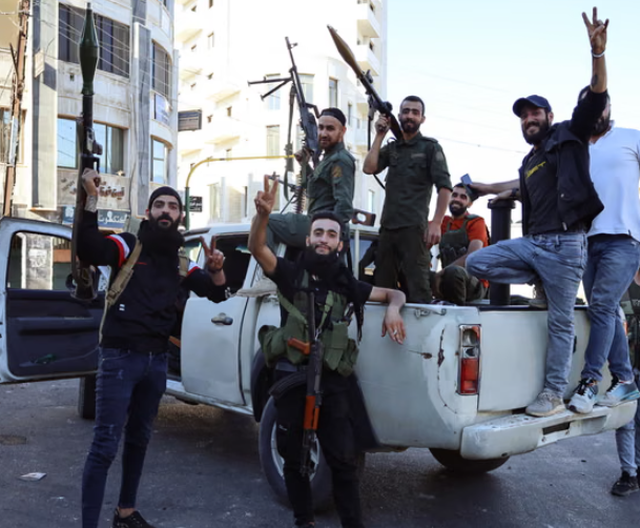
The fighting, which began as a local dispute between Bedouin tribes and Druze fighters, quickly escalated and prompted Syrian government forces to intervene. Druze fighters resisted their entry into the province and began clashes with Syrian government forces.
Residents described four days of terror, as the fighting quickly took on a sectarian hue: the violence was the most serious threat to Syria's stability since March, when 1,500 civilians, mostly Alawites, were killed after a failed attack on government forces.
Syria's President Ahmad al-Sharaa has vowed to protect the country's minorities since the ouster of former Syrian President Bashar al-Assad in December. He now leads a country torn by sectarian divisions after 14 years of civil war, without the resources to engage in the transitional justice needed to heal it.
The president, a former al-Qaeda leader turned statesman, has been welcomed on the international stage, but there are deep suspicions about him among Syria's minorities at home.
As the Syrian army withdrew from the city on Wednesday, people began to emerge from their homes and take stock of their losses.
Të paktën 15 persona të paarmatosur u vranë në një sallë pritjeje që i përkiste familjes së shquar Radwan në qytetin Sweida të martën, thanë tre anëtarë të familjes për Guardian. SOHR gjithashtu raportoi vrasjet, megjithëse e vendosi numrin e të vdekurve në 12.
“Ata ishin ulur aty duke pirë kafe kur persona të armatosur hynë brenda dhe filluan të qëllonin. Nuk lejohen armët në korridor, nuk është sikur të jetë bazë ushtarake”, tha Maan Radwan, një banor 46-vjeçar i Londrës, të afërmit e të cilit u vranë në të shtënat.
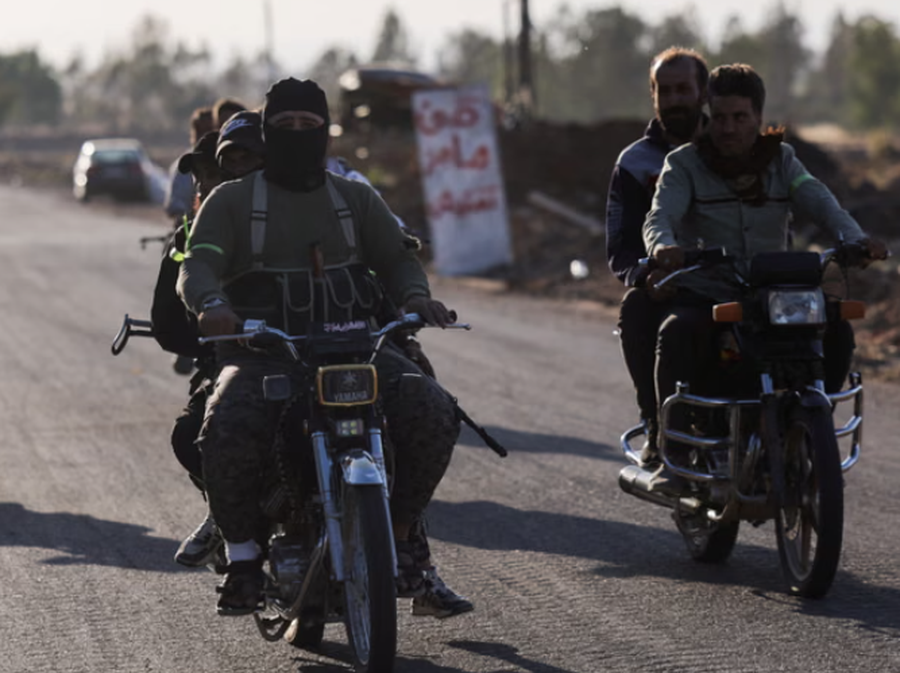
Banorët e Sweidës fajësuan forcat e lidhura me qeverinë për vrasjet, por dëshmitarët thanë se ishte e pamundur të bëhej dallimi midis forcave të sigurisë shtetërore dhe milicive të papërgjegjshme.
Një dëshmitar okular tha se sulmuesit mbanin veshur uniforma ushtarake, por nuk mund të dallonin nëse ishin nga forcat e lidhura me qeverinë apo nga një milici. “Është e pamundur të dallosh se kush po na vret”, i tha Guardian në telefon një mësues 52-vjeçar dhe i afërm i familjes Radwan në Sweida.
Videoja e pasojave të të shtënave tregonte burra të paarmatosur të shpërndarë në një dhomë të mbuluar nga pellgje gjaku. Anëtarët e familjes thanë se burra me uniforma ushtarake penguan ambulancat të arrinin në sallën e pritjes, e cila ata mendonin se ishte menduar për t'u siguruar që të plagosurit të vdisnin nga humbja e gjakut.
Bahaa priti në spital trupat e të vrarëve në të shtënat në Radwan, disa prej të cilëve i njihte personalisht, dhe tha se trupat e tyre kishin plagë të shkaktuara nga armë zjarri nga afër. Ai do të njihte shumë të tjerë nga kufomat që më vonë do të hynin nëpër dyert e spitalit.
Kushtet në spitali u kthyen në makth, ndërsa luftëtarët rrethuan objektin. Mjekët u fshehën në korridore ndërsa plumbat dhe artileria fluturonin pranë tyre, dhe vetë spitali u godit të paktën një herë. Ata filluan të raciononin ilaçet dhe furnizimet e tjera bazë.
“Po përpiqeshim ta kufizonim çdo të plagosur në 2 ose 3 doza kortikale Tramadol dhe e hollonim në mënyrë që të zgjaste për të gjithë”, tha mjeku nga njësia e kujdesit intensiv.
Al-Sharaa mbajti një fjalim të enjten duke dënuar abuzimet kundër civilëve dhe tha se do të ketë përgjegjësi. Ministria siriane e mbrojtjes tha gjithashtu se po "i përmbahet rregullave të angazhimit për të mbrojtur banorët".
"Ne jemi të vendosur të mbajmë përgjegjës këdo që u ka bërë padrejtësi ose i ka dëmtuar vëllezërve tanë druzë. Ata janë nën mbrojtjen dhe përgjegjësinë e shtetit, dhe ligji e drejtësia garantojnë të drejtat e të gjithëve pa përjashtim", tha presidenti sirian.
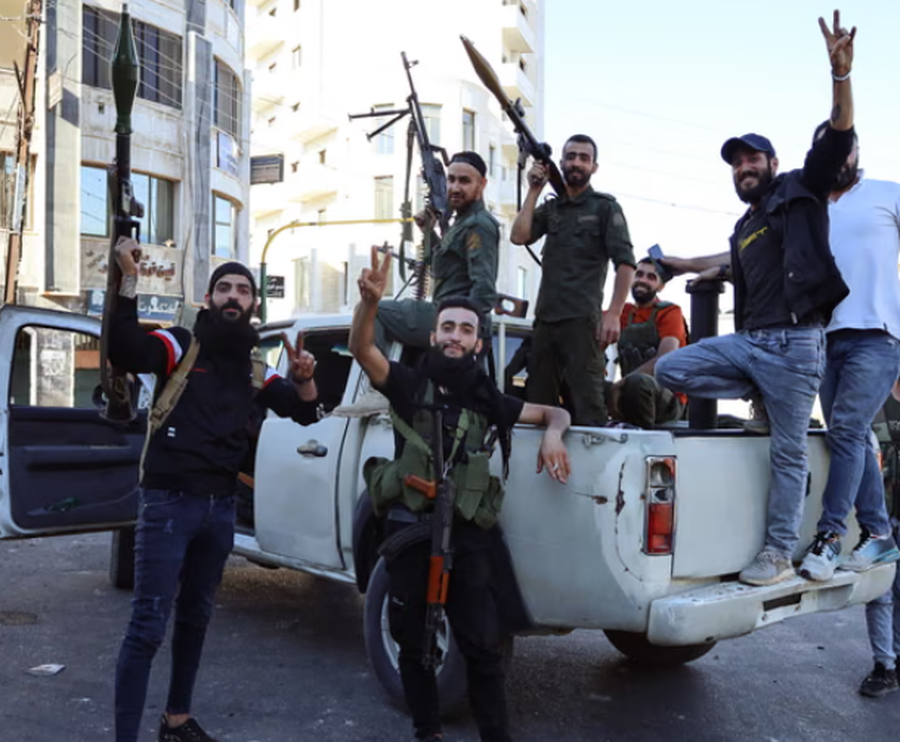
Në mediat sociale, dy anëtarë të forcave qeveritare postuan gjuhë urrejtjeje sektare kundër Druzëve.
One posted a video of himself and two other soldiers driving through Sweida, laughing as he said, "We're going to distribute aid," while pointing a machete at the camera. He filmed himself inside a house in Sweida, tearing a picture of Druze spiritual leaders off the wall and trampling on it.
“If God gives you victory, no one can defeat you… In the name of the tribes, O Druze and Alawites, we are coming against you with sectarianism,” he continued.
Another fighter posted a video of himself driving through the town of Sahwa Blata in Sweida province, stopping to brag about two dead bodies on the sidewalk as he filmed.
"These are your dogs, al-Hijri. Whoever opposes the state, this will happen to them," he said, referring to the Druze spiritual leader, the most ardent anti-government of the three, Sheikh Hikmat al-Hijri.
Yousef* recognized the two men in the video as his cousin and cousin's son. He had not previously known that they were dead.
"They called me at 7am and most of the people had fled the village. They didn't know what to do and they didn't have any weapons," said Yousef, a civil engineer in Sweida.
Despite a ceasefire on Wednesday, the intermittent violence appeared to continue. Rumors of another Bedouin attack in Sweida prompted a mass exodus of residents on Thursday. Yousef sent a video of himself interviewing people as they fled. One of them had two body bags in the bed of his pickup truck. Unzipping one of the body bags, Yousef showed the camera the body of a woman with her throat slit.
The cycle of retaliatory violence, which has taken on sectarian overtones, threatens the unity of the new Syrian state, which the authorities in Damascus were desperately trying to hold together. Mistrust between the Druze and the new authorities, and vice versa, has fallen to an all-time low.
Syrian state media reported on Thursday that there have now been attacks on small Bedouin communities in Sweida, causing further displacement and what they called massacres by "outlawed groups."
Social media was flooded with another wave of images of dead civilians, this time, according to their claims, it was the Druze attacking the Bedouins.
“Many of those killed were anti-Assad from the beginning. All these killings after 14 years of war. What is the point?” Bahaa said. /Adapted from The Guardian Pamphlet /
( Names with an asterisk have been changed )





Lini një Përgjigje