


 Shkruar nga Pamfleti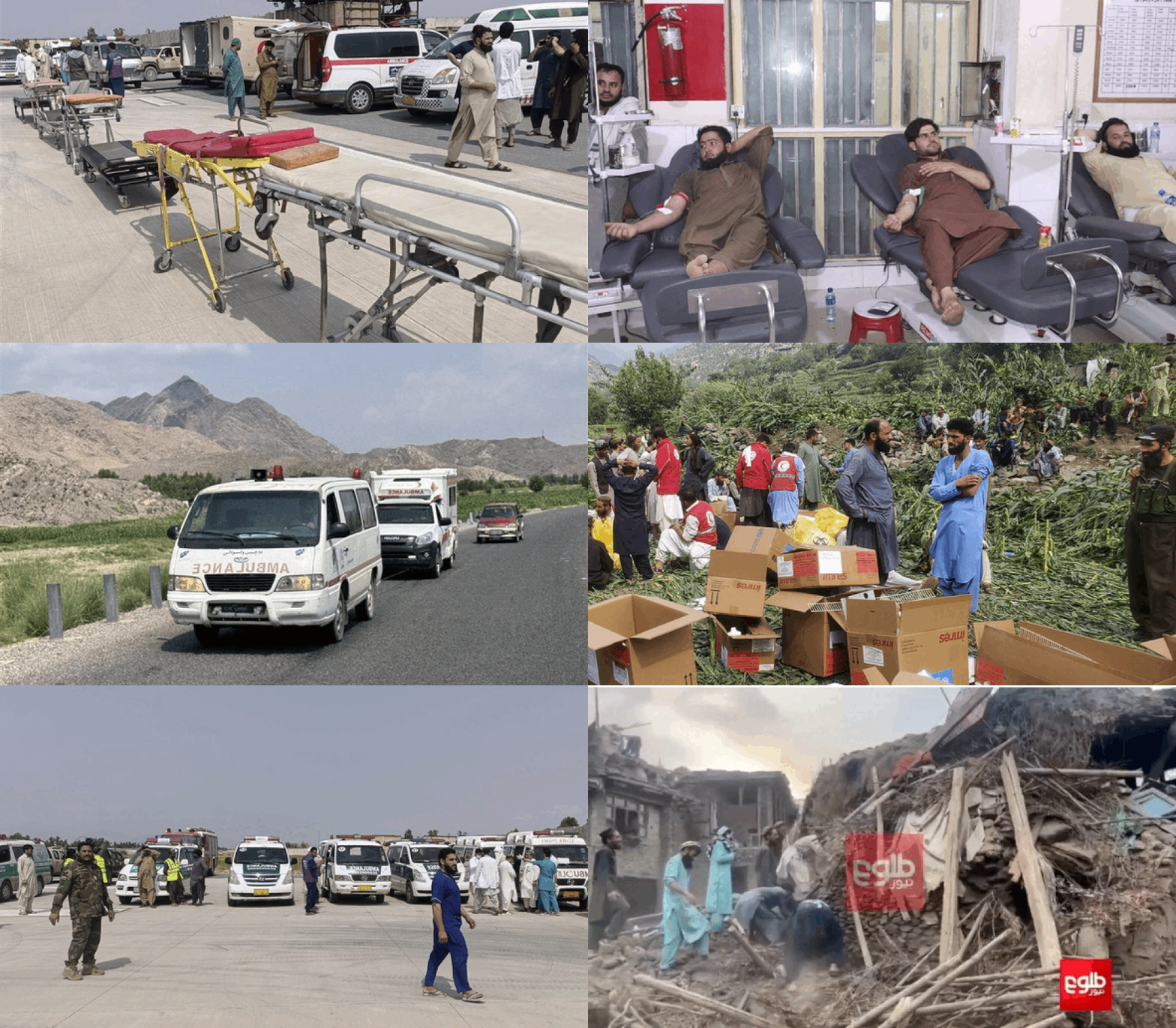
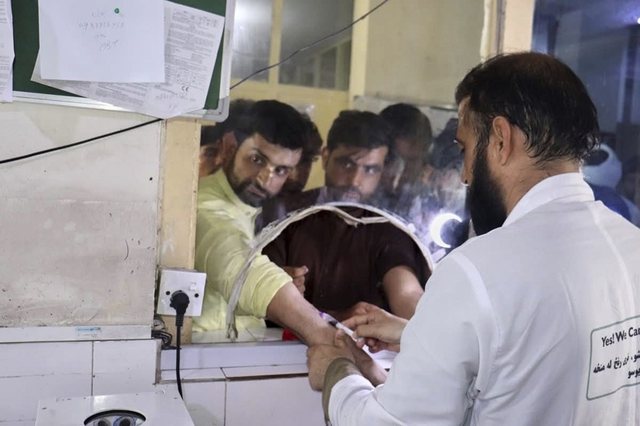
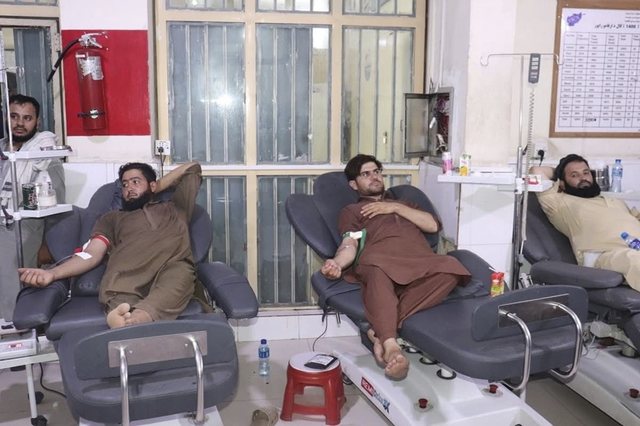
The Disaster Management Authority said in a statement that at least 800 people were killed and 2,500 others injured in the districts of Nur Gul, Soki, Watpur, Manogi and Chapadare.
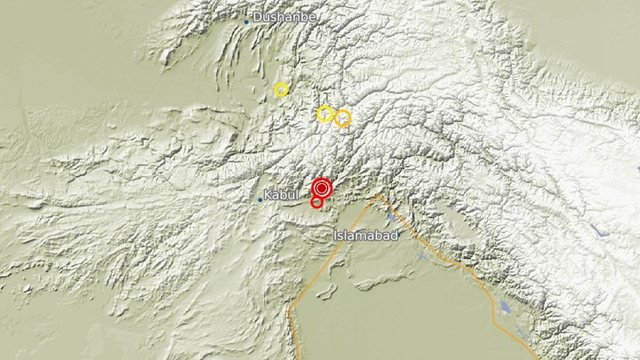
Afghanistan was hit by a devastating earthquake yesterday evening, leaving behind casualties and major economic damage. The quake struck Kunar province at 11:47 p.m. Sunday and its epicenter was 27 km northeast of the city of Jalalabad in Nangarhar province, the U.S. Geological Survey said.
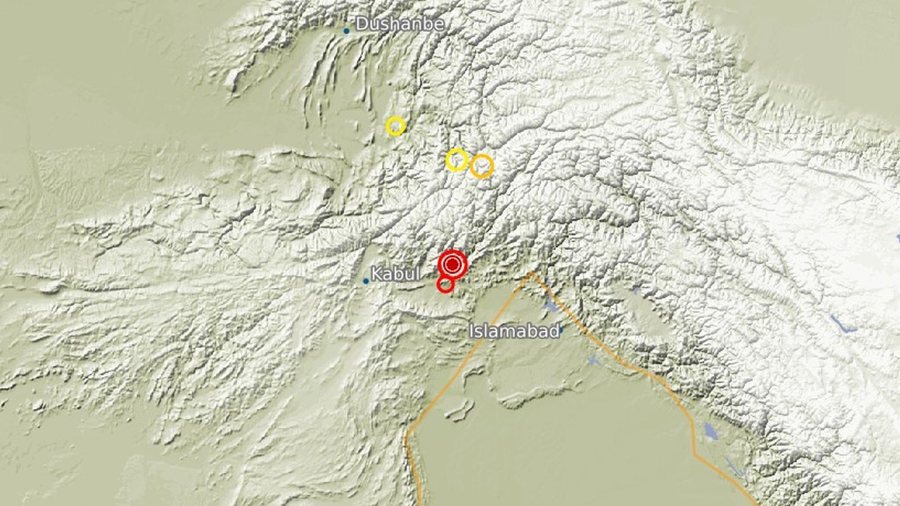
The earthquake late Sunday struck a number of towns in Kunar province, near the city of Jalalabad in neighboring Nangahar province. The 6.0-magnitude quake was just 8km deep. Shallow earthquakes tend to cause more damage.
The Disaster Management Authority said in a statement that at least 800 people were killed and 2,500 others injured in the districts of Nur Gul, Soki, Watpur, Manogi and Chapadare.
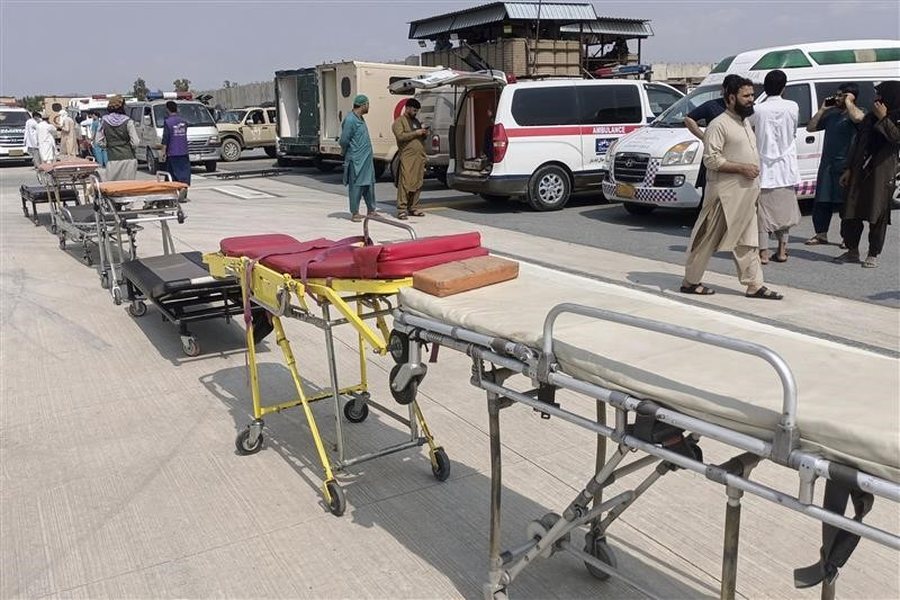
However, Taliban-led health authorities in Kabul said they were still confirming the official death toll as they worked to reach remote areas.
Afghanistan is already suffering from a “multiple crises” under the Taliban-led government. According to the UN, the situation in the country is very tragic, as Afghanistan is already suffering from a “major drought”, while Iran has returned almost 2 million people and Pakistan is threatening to do the same.
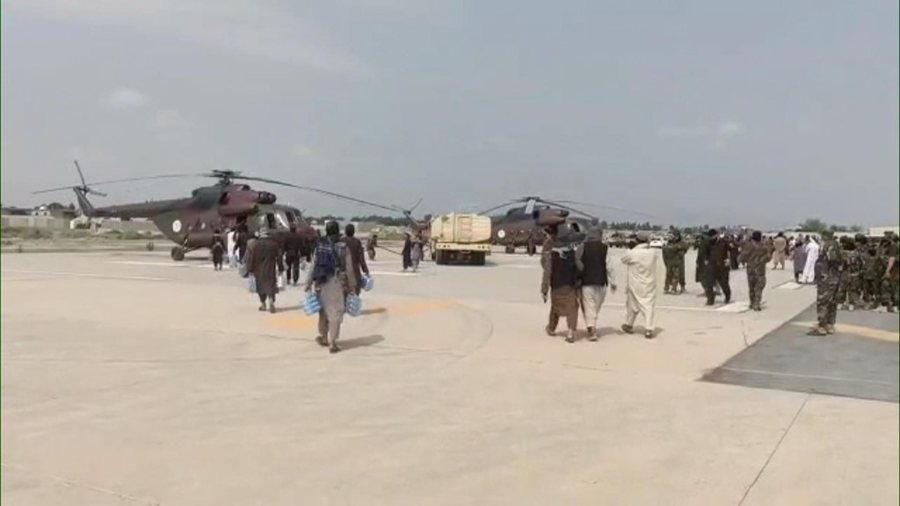
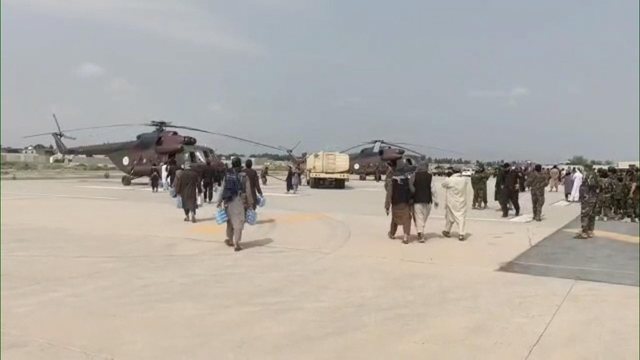
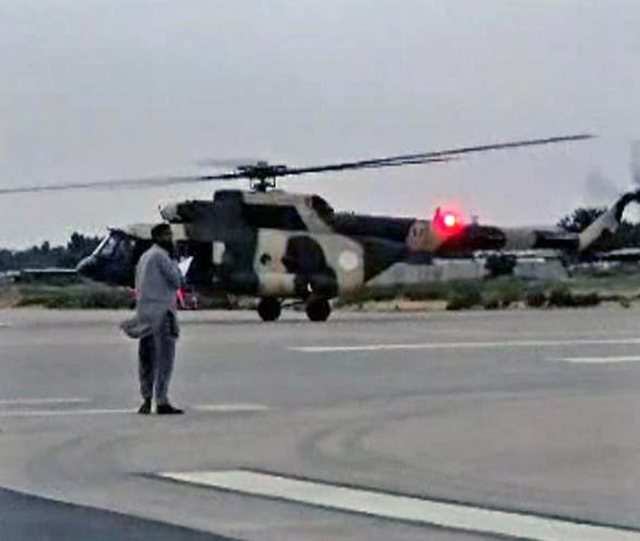
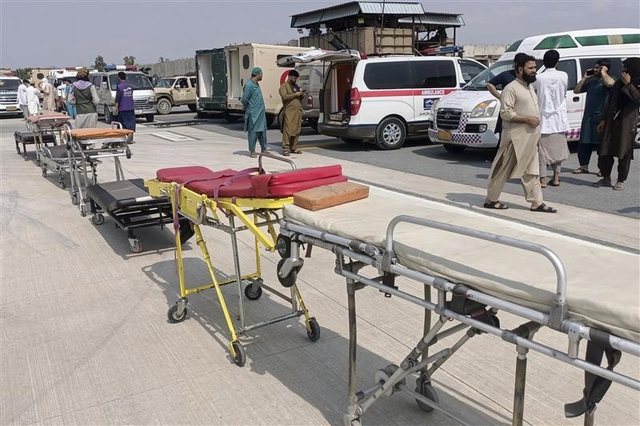
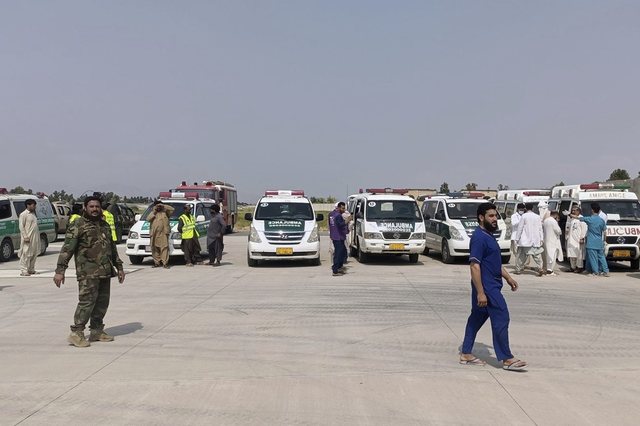
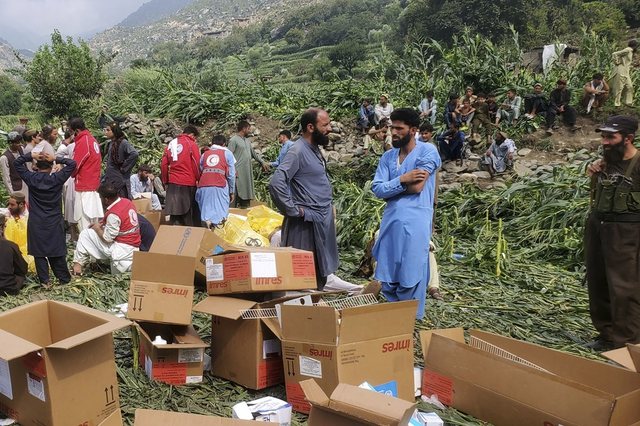
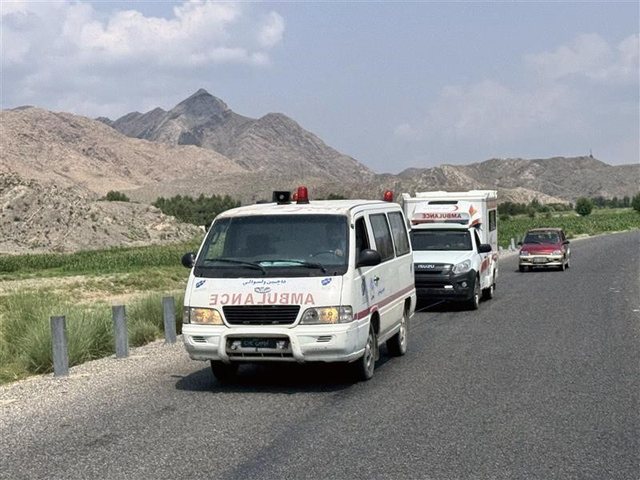
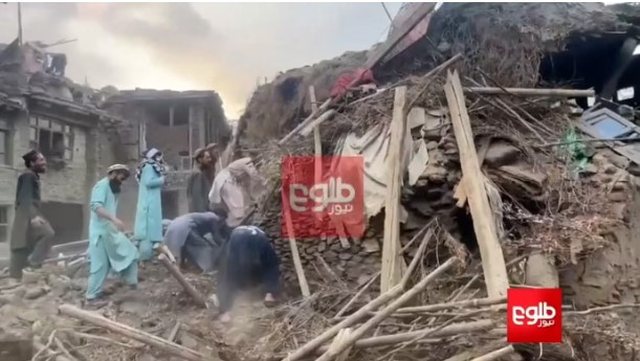
The Taliban's interior ministry says the vast majority of the deaths are in Kunar province. Rescue teams are operating across eastern Afghanistan, with helicopters helping to transport the wounded to safety, while the rubble is being searched for survivors.
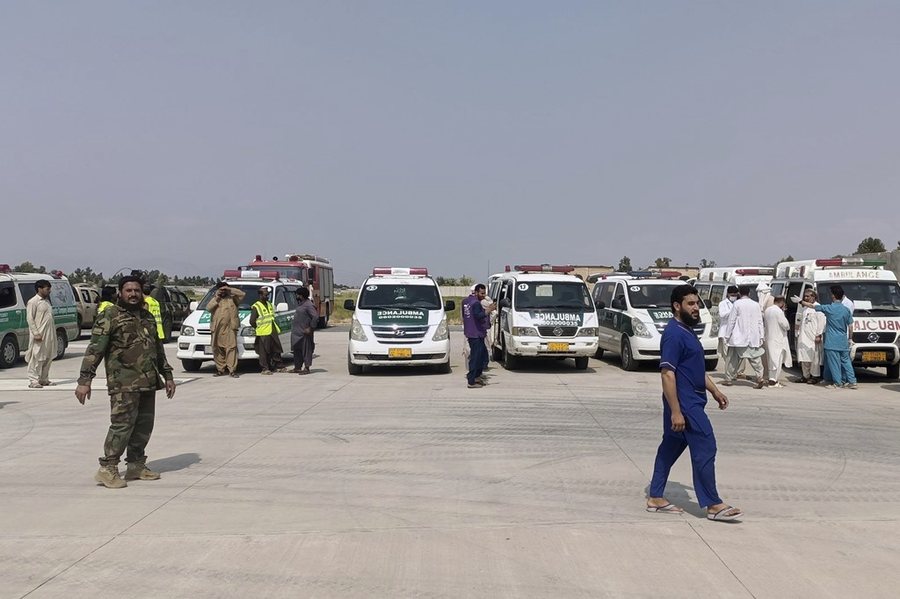
The rescue situation looks grim with people having to evacuate their relatives from their homes and then make dangerous journeys on unpaved roads at night to reach the nearest clinics and hospitals, a journalist in Afghanistan said after the earthquake.
In an interview with Sky News describing the rescue efforts, Ali Latifi, a journalist in Kabul, said it was important to remember that the epicenter and most of the victims are in rural areas, areas that had not been developed for years, that are still largely undeveloped, where people live in simple mud houses that are not really made to withstand earthquakes.
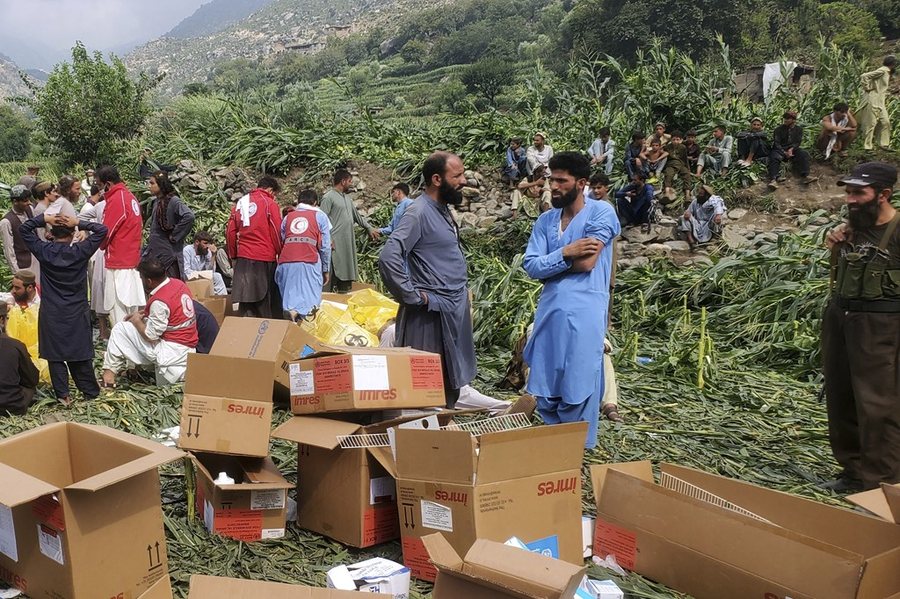
" Many roads are still unpaved and the nearest clinic may be several kilometers away and the nearest hospital is most likely in the city of Jalalabad, which may be hours away along mountainous and rough roads. So people are basically having to pull their relatives out at night from under the rubble and then try to get them to a clinic, to a hospital, wherever, " the journalist said.
The Taliban's Interior Ministry said in a statement that the vast majority of deaths occurred in Kunar province (610), with another 12 deaths in Nangarhar.
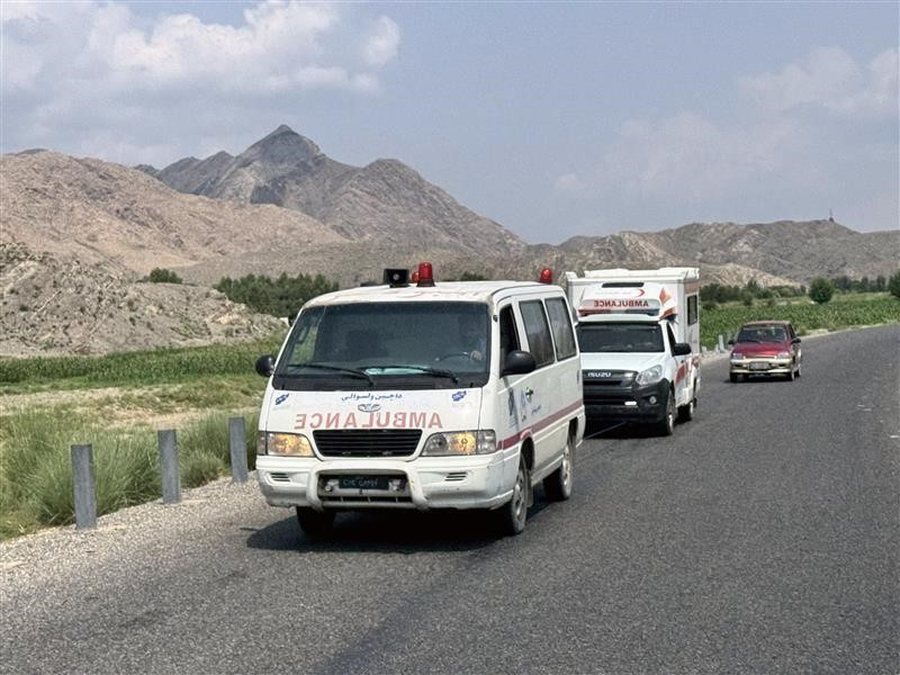
The disaster will further drain the resources of the South Asian nation, which is already facing humanitarian crises and a significant decline in aid.
Afghanistan has a number of fault lines and frequent movement between three nearby tectonic plates. A series of earthquakes in its west killed more than 1,000 people last year, underscoring the vulnerability of one of the world's poorest countries to natural disasters.
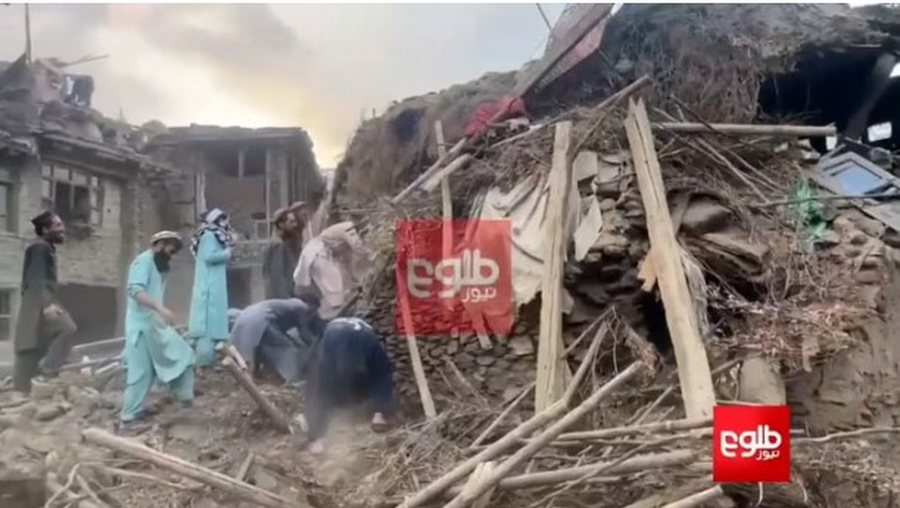
Recall that a 6.3 magnitude earthquake struck Afghanistan on October 7, 2023, followed by strong aftershocks. The Taliban government estimated that at least 4,000 people died in that earthquake, although the UN said the figure was lower./ Pamphlet







Lini një Përgjigje