


 Shkruar nga Pamfleti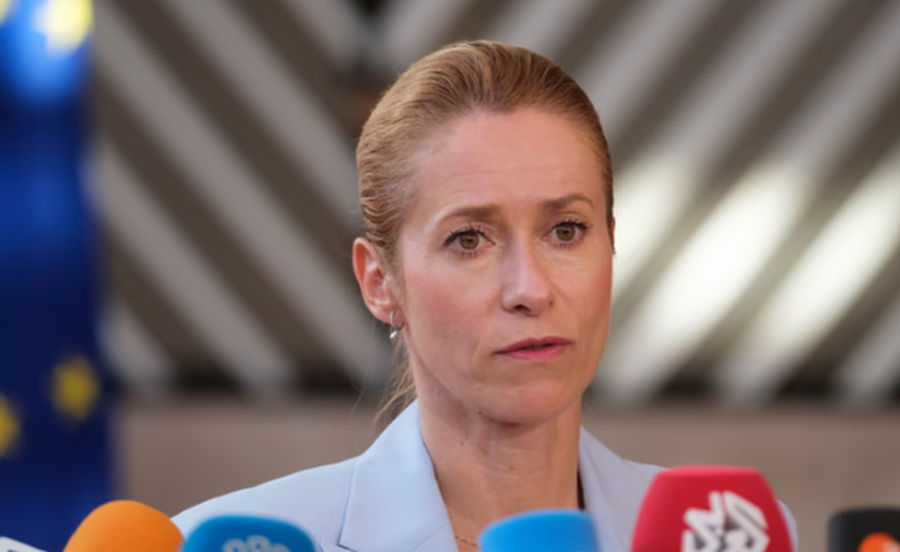
EU ambassadors agreed to keep the maximum price of Russian oil at $44.1 per barrel until July 23, pending another attempt to finalize the measures. If the 27 EU countries fail to reach an agreement soon, the maximum price of Russian oil will automatically increase, boosting revenues for Russian President Vladimir Putin.
This would be a blow to the EU's strategy and credibility, when unrest in the Middle East is already pushing up oil prices. The deadline for legal review was July 15, but the new maximum price does not come into effect until the end of this summer.
The deadlock is a reminder that EU sanctions would never be easy to agree even though Viktor Orbán, a Moscow-friendly figure, is no longer in power. The 27 EU member states have always had divergent interests on sanctions against Russia, illustrated in the current proposals, the 21st round of restrictive measures since the full-scale invasion.
France and Italy have raised objections to a proposal to ban former Russian fighters from entering the EU. Germany opposed a proposal to ban Russian imports of cod and pollock, which has now been lifted. Bulgaria defended Patriarch Kirill from sanctions.
Ukrainian President Volodymyr Zelensky said he wanted maximum pressure with sanctions on Russia, while urging the EU to see the big picture.
"We must be very persistent and remember that it is not only EU leaders who are tired of approving sanctions, of finding compromise and balance, Russia is tired of every such package ," he said.
The broad package also targets Russian banks, cryptocurrency firms, drone manufacturers and refiners.


Lini një Përgjigje