


 Shkruar nga Pamfleti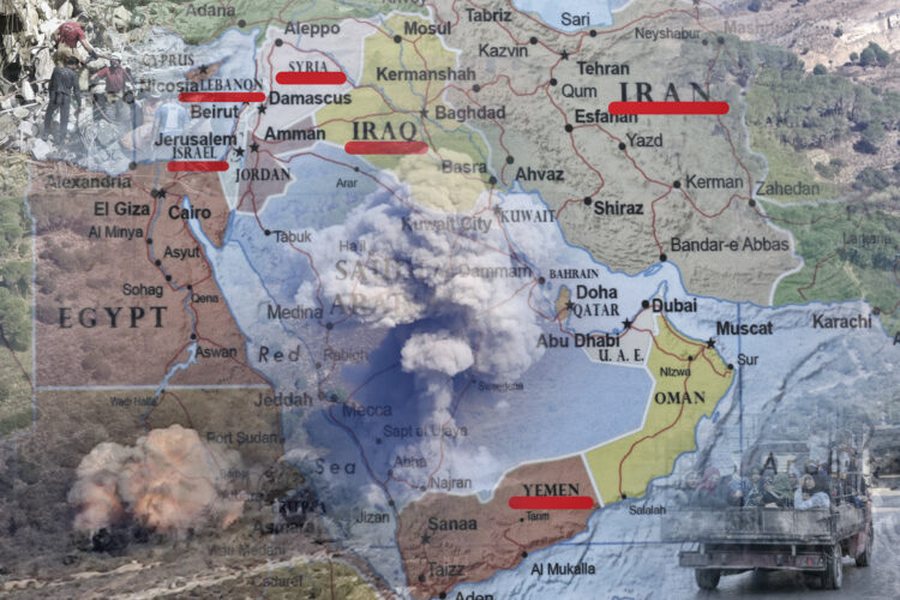
Deutsche Welle has devoted an analysis to the Israel-Iran conflict, while also focusing on historical facts. According to the German service, Israel and Iran have been two friendly countries, but since the Ayatollahs came to power, the situation changed.
Enmity between Iran and Israel is escalating dangerously, but these two countries have not always been adversaries.
Before the Islamic Revolution in 1979, these countries were closely related and that Iran was among the first countries to recognize the state of Israel in 1948.
Within the conflict in the Middle East, Israel considered Iran an ally against the Arab states, while Israel, which had the support of Washington, was for Tehran a useful political counterweight to its Arab neighbors.
After the victory of the Islamic Revolution in 1979, Iran canceled all agreements with Israel and Ayatollah Khomeini severely criticized Israel for occupying the Palestinian territories and launched attacks against Israel to gain the support of the Arab states and the population in those countries.
Iran's current religious leader, Ayatollah Ali Khamenei, has continued this policy, regularly questioning the historical facts of the Holocaust, while Iran supports Hezbollah in Lebanon, Hamas in Gaza, as well as other groups throughout the region, including the Houthis in Yemen.
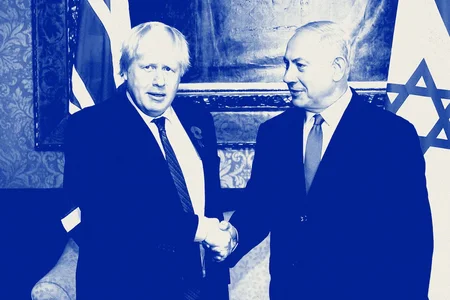
Deutsche Welle estimates that Israel, on the other hand, has not done much to reduce tensions. Prime Minister Benjamin Netanyahu has repeatedly compared the Islamic Republic to Nazi Germany and sharply criticized the 2015 nuclear deal.
Although there are individuals in both countries advocating reconciliation, political relations are more tense than ever, especially after Hamas's attack on Israel on October 7, 2023, and the Israeli military operation in the Gaza Strip. According to the UN, more than 41,000 Palestinians, mostly women and children, have been killed in the war in the Gaza Strip, and Hezbollah rocket attacks and Israeli bombing of southern Lebanon have forced hundreds of thousands of people to flee to Lebanon and Israel.
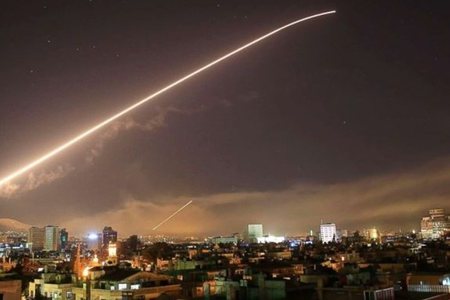
On Tuesday evening, Iran directly attacked Israel with missiles - for the second time since launching hundreds of drones and missiles in April. According to the Israeli Security Forces (IDF), a "large number" of Iranian missiles have been intercepted this time, while the threat from Iran has "currently" been neutralized, but it was announced that a harsh Israeli response would follow.
US Secretary of State Anthony Blinken called Iran's missile attack on Israel "completely unacceptable" and added that the United States of America has once again proven its "commitment to Israel's defense".
On the other hand, it was reported that immediately after the attack, Iranian Foreign Minister Abbas Aragchi talked on the phone with European colleagues, among others with German Foreign Minister Annale Berbock, as well as with colleagues in Great Britain, France and others.
Aragchi said the missile operation is now over and that if Israel retaliates, Iran's response would be tougher. "Tehran does not want escalation, but it is not afraid of war," Aragchi said. / Pamphlet





Lini një Përgjigje