


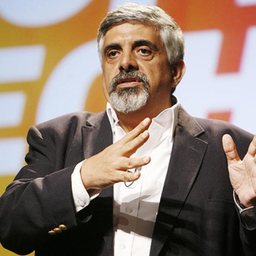
 Shkruar nga Daud Kuttab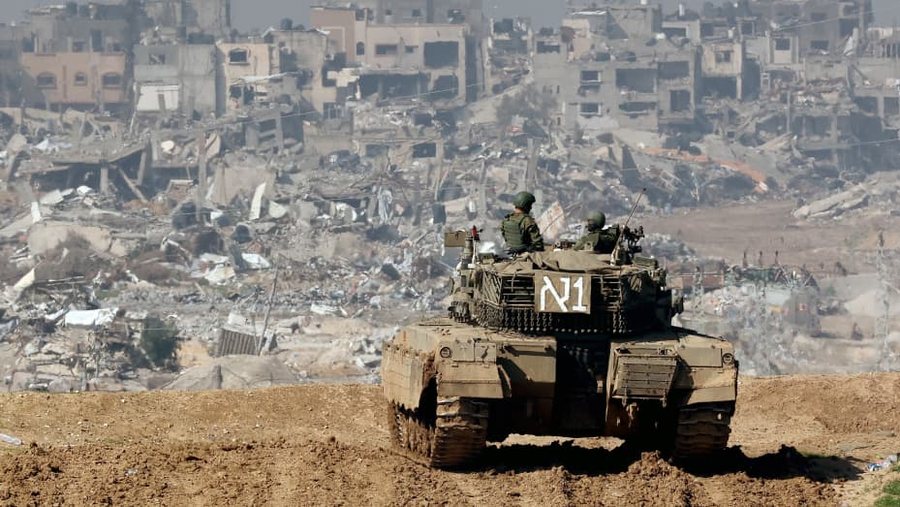
The October 7 attack on Israel and its style of strong retaliation, based on the "take no prisoners" principle, have shocked the conscience of the world and revived international opinion...
This has been known for 30 years. But Western leaders only believed it when Israel's top leader publicly admitted it: Israel has no plans and no interest in allowing Palestinians to live freely on their land. It is not about Hamas or Gaza, but about the Palestinian territories occupied in 1967.
At that time, the preamble of Resolution no. 242 of the UN Security Council pointed out that it is "unacceptable" for a territory to be taken through war. The Palestinians have always known that Israeli claims of peace were false.
After they were eyewitnesses to what they were doing: creating facts on the ground that would make the establishment of an independent Palestinian state impossible. The most strategic areas were carefully sought out, and Jewish-only settlements were built there, precisely to dilute any serious effort by the Palestinians to fulfill their inalienable right to self-determination.
Of course, Israelis publicly give a lot of verbal support for peace. They regularly blame the Palestinians for not reacting sufficiently against incitement to violence by more radical elements and for refusing to accept the concept of a "Jewish state".
But in reality, these were smoke bombs intended to mislead the international community. World powers opposed the establishment of new Jewish settlements, sometimes calling them an obstacle to peace and other times, as in the last months of the Obama administration, when they were labeled illegal in a binding UN Security Council resolution. .
However, ignoring the international will was never followed by any consequences for Israel or any real obstacles for it. The October 7 attack on Israel and its style of strong retaliation, based on the "take no prisoners" principle, have shocked the conscience of the world and revived international opinion.
Of course, the political forces have returned to the scene and have insisted - this time a little more seriously - that after the end of the war in Gaza, a political solution must be found that would satisfy the legitimate aspirations of the Palestinians.
This forced Israeli Prime Minister Benjamin Netanyahu to admit that for 30 years, he has been against a Palestinian state and that this will not happen while he is in power. Again, the global community condemned this statement, but failed to exert the appropriate pressure and promote the beginning of an irreversible process towards this goal.
Vendet perëndimore kanë armët e tyre politike për të krijuar një proces të tillë. Ata mund të ndjekin dëshirat e njerëzve të tyre (siç ndodh shpesh në rezolutat parlamentare) dhe të njohin shtetin e Palestinës në kufijtë e vitit 1967. Një veprim i tillë do të ndryshonte paradigmën.
Qasja graduale e procesit të Oslos nuk funksionoi. Madje Izraeli e përdori atë për t’u çliruar nga ruajtja e qyteteve të populluara, ndërsa vazhdonte projektin e ndërtimit të vendbanimeve të reja. Numri i kolonëve në Bregun Perëndimor, është më shumë se 4-fishuar gjatë 30 viteve të fundit, që nga shtrëngimi i famshëm i duarve në lëndinën para Shtëpisë së Bardhë midis Yitzhak Rabin dhe Yasser Arafat.
Refuzimi publik nga Izraelit i një shteti të pavarur palestinez, i ka shtuar thirrjet për një formë tjetër zgjidhjeje. Në rast se Izraeli refuzon të ndajë territorin me palestinezët midis lumit dhe detit, e vetmja alternativë tjetër reale, është që Izraeli të pranojë të ndajë pushtetin me palestinezët në të njëjtin territor historik palestinez.
Marwan Muasher, ish-zëvendëskryeministër i Jordanisë dhe zëvendës president në Carnegie Endoëment for International Peace, e bëri shumë të qartë këtë gjë muajin e kaluar gjatë fjalës që mbajti në Këshillin e Sigurimit të OKB-së.
Bota nuk do të pranojë që Izraeli të kontrollojë të gjithë zonën, dhe të vazhdojë të kryejë Aparteid, argumentoi ai, duke shtuar se ajo që nevojitet është një proces që mundëson barazinë midis izraelitëve dhe palestinezëve.
Në një video të regjistruar më herët, ku kryeministri izraelit shfaqet gjatë një diskutimi me kolonët hebrenj, Netanyahu pohon se kishte punuar enkas kundër procesit të Oslos, në mënyrë që të ruante ato toka dhe t‘i mohonte palestinezëve të drejtën për të pasur shtetin e tyre. Por tani që çështja është në qendër të vëmendjes, zgjedhjet përpara janë të qarta.
Thirrjet për një zgjidhje me dy shtete, do të kërkojnë presion serioz dhe guxim për të njohur Palestinën, edhe si një vend anëtar i OKB-së, teksa gjendet ende nën pushtim.
Ose, anasjelltas, duhet nisur një proces i ri për t’u siguruar që të gjithë banorët e zonës midis lumit Jordan dhe Detit Mesdhe të kenë të drejta politike të barabarta. Lufta në Gaza është një tragjedi njerëzore e llojit më të keq, dhe pasojat e saj do të zgjasin për dekada.
Por gjëja e vetme që ka demaskuar lufta, janë pretendimet e rreme izraelite për paqe dhe arsyetimet e saj për refuzimin për t’i dhënë fund pushtimit ushtarak të territoreve palestineze.
Deklaratat e fundit i kanë shfajësuar palestinezët dhe kanë nxjerrë në dritë deklaratat e Sekretarit të Përgjithshëm të OKB-së Antonio Guterres, sipas të cilit konflikti palestinezo-izraelit nuk nisi më 7 tetor 2023. Komuniteti botëror ka tashmë një sfidë të qartë përpara.
Nëse ai është vërtet serioz për një zgjidhje të konfliktit përmes krijimit të 2 shteteve, duhet të njohë Palestinën si shtet dhe të inkurajojë përfaqësuesit legjitimë të Izraelit dhe Palestinës që të negociojnë modalitetet si dy shtete anëtare të OKB-së.
In short, every effort must be made to force Israel to grant equal political rights to all people under its control. Simply put, Israel must decide whether to share land or power in historic Palestine. There is no third solution. /Adapted "Pamphlet" from "Arab News"
Note: Daoud Kuttab, former professor at Princeton University and former director of the Modern Media Institute at Al-Quds University in Ramallah, Palestine.




Lini një Përgjigje