


 Shkruar nga Diplomatico | Pamfleti.net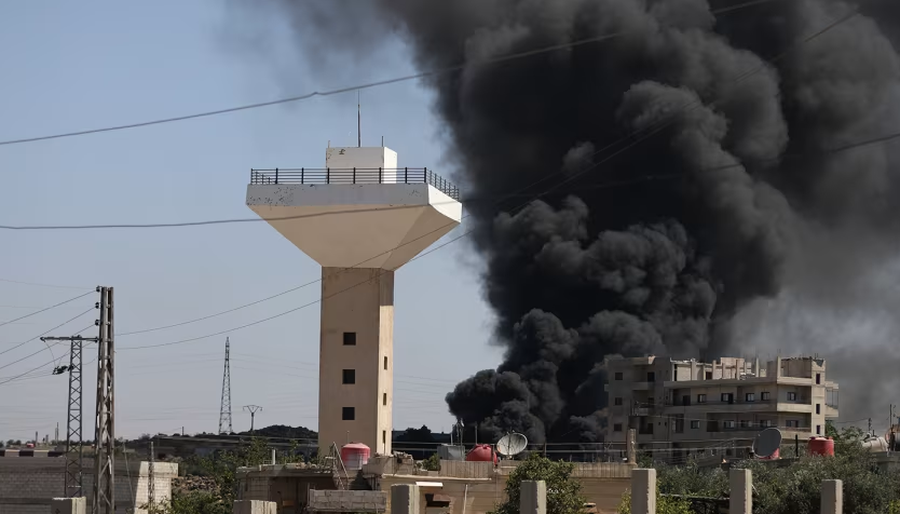
From looting to aerial bombing: How a local conflict can explode the region
Sectarian clashes in southern Syria, which began as a local conflict between the Druze and Bedouin communities in Sweida, are taking on international proportions following Israel's air intervention. With recent bombings of Damascus and southern Syria, Israel is justifying the intervention by claiming it is protecting the Druze minority, a population with strong historical ties to the Golan Heights, part of which has been under Israeli administration since 1967.
Clashes that began after the robbery and attack on a Druze farmer on July 11 have resulted in dozens of casualties, forcing the Syrian government to intervene with military forces in the area. But Damascus' military move has been perceived by the Druze as a threat to their local autonomy, paving the way for Israeli intervention.
The Israeli attacks are the first after a period of relative calm and strike at the heart of Bashar al-Assad's regime, warning of "even more painful blows" if the offensive by Syrian troops continues.
However, this development is not seen simply as an effort for humanitarian protection. Analysts say that this move could be an indirect warning to Hezbollah and Iran, strategic allies of the Syrian regime. In this way, the local conflict in Sweida could turn into a regional conflict, potentially involving Lebanon and other international actors.
The US has immediately engaged in active diplomacy to avoid wider escalation, but the situation remains delicate and unpredictable.
For Albania, this development requires special diplomatic attention, as further destabilization of the Middle East affects regional politics and strategic alliances within NATO. For the time being, careful observation of regional dynamics and active intervention in international organizations for the protection of civilians and regional stability are needed./ Pamphlet






Lini një Përgjigje