


 Shkruar nga Paolo Rossetti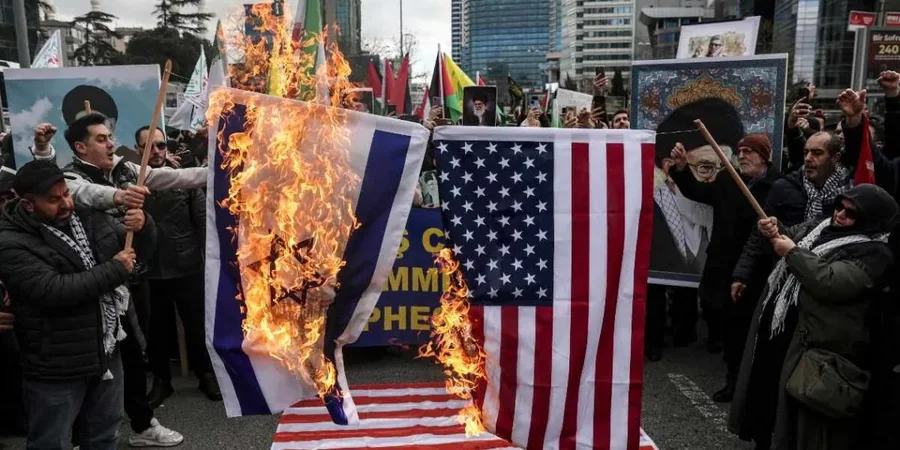
Negotiations between the United States and Iran are showing the first signs of failure, as the distance between the parties remains insurmountable. Trump may accept a deal and present it as a victory, but for America this would be a defeat. Meanwhile, Israel opposes any compromise, seeing the continuation of the war as necessary for its objectives in the region.
The US and Iran are far apart, and the most likely outcome is failure. Italian General Vincenzo Giallongo - a participant in missions in Iraq, Albania, Kuwait and Kosovo - thinks that, pushed by domestic opposition and the economic consequences of the war, Donald Trump could accept a deal and present it as a victory. But for America this would be a defeat. Meanwhile, Israel opposes this way out. To continue the fight against Hezbollah in Lebanon, the US needs to keep Iran militarily engaged.
The US has presented a 15-point plan, while Iran considers it excessive and has set 5 conditions. Can this effort have a positive result?
The minimum American demands are far from the maximum concessions that Iran can make. Now Trump is paying for the mistake of June 2025. At that time, he entered the war without seeing it through to the end. When he attacked Iran last year, he withdrew at a moment's notice, giving Iran time to produce missiles, bombs and drones. Now it will take time to consume them.
What mistakes did he make this time?
He said the war would last 4-6 weeks, but a war is only won when territory is controlled. To defeat Iran, it must be conquered militarily, that is, by landing troops on the ground. Only then can the population take to the streets against the regime.
The Americans have sent marines and paratroopers to the Middle East. Is a ground operation still possible?
Trump says everything and its opposite. It is difficult to understand his logic. This confusion is also shown by the numbers: 4 thousand troops, 3 thousand marines and 1 thousand paratroopers. They are too few to control an entire country, although they are probably enough to take Tehran and some other centers.
What if the idea was to conquer Kharg Island?
This could help free the Strait of Hormuz and revive the economy, but it would not solve the problem of war. 4,000 troops are enough to occupy and defend the island, especially with the arrival of another aircraft carrier. But this is not enough to occupy Iran. It would require a much greater effort, at a high cost in human lives.
Would Trump consider this possibility?
This is the crux of the matter. The Israelis would certainly want it, because they are against any peace process between the US and Iran.
What are the Americans demanding and how is Iran responding?
The US is demanding the relinquishment of nuclear weapons and freedom of movement in the Strait of Hormuz in exchange for assistance for a civilian nuclear program and the lifting of sanctions. Meanwhile, Iran has set five conditions, including a cessation of attacks and a guarantee that the war will not resume.
If the US accepts them, then it has lost the war. Because it will have spent money and human lives to keep the same theocrats in power, without changing anything for the Iranian people. The situation would even get worse, because the regime would become even more harsh and would resume enriching uranium for the production of an atomic bomb.
So, the negotiations will fail?
Logic tells us yes. However, it all depends on Trump's mood. Preoccupied with domestic problems, he may accept a deal by selling it as half a victory.
What happens to the promise of a harsh response in case of rejection by Iran?
It would have been easier to accomplish if, before entering the war, the American president had discussed it with Congress, securing a majority to give him free rein for a serious attack.
Can the parties announce an agreement where everyone says they have won?
Maybe so, if Israel were not in the middle. But in reality, only Tehran would be won. Israel still needs time to destroy Hezbollah's resistance, and for that it needs a US to keep Iran engaged in the fighting.
So, the prospect is further escalation?
No, a major escalation is not expected. But the war will certainly continue. Otherwise, it would be a humiliating defeat for the Americans. / Adapted from "Pamphlet" by "Il Sussidiario"



Lini një Përgjigje