


 Shkruar nga Pamfleti
The intensified attacks hit military bases, refineries, logistics hubs and air defense systems, while experts estimate that Moscow is being forced to distribute its resources between the front and the defense of Russian territory.
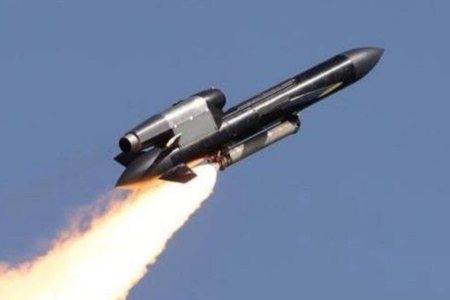
The war in Ukraine has entered a new phase, where in addition to the confrontations on the front line, a battle is also taking place deep inside Russian territory. With the development of its capacities in the production of long-range drones, Ukraine has significantly expanded its campaign of attacks against strategic targets in Russia and in the occupied territories. According to an analysis published by The i Paper, these attacks are not only intended to cause material damage, but also to weaken the Russian air defense system and increase the military and political cost to the Kremlin.
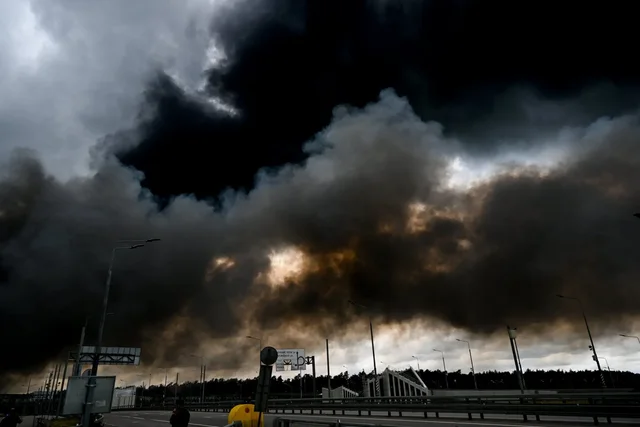
In recent weeks, the attacks have become almost daily. They have hit oil refineries, air bases, military facilities, fuel depots, rail hubs, ports and logistics infrastructure. Beyond the physical damage, analysts say they have created a new challenge for Moscow: how to defend a vast territory while simultaneously continuing operations on the warfront.
According to military experts, Ukraine's strategy does not consist only of sending a large number of drones towards Russian targets. Before hitting strategic facilities, Ukraine is trying to weaken the system that protects them.
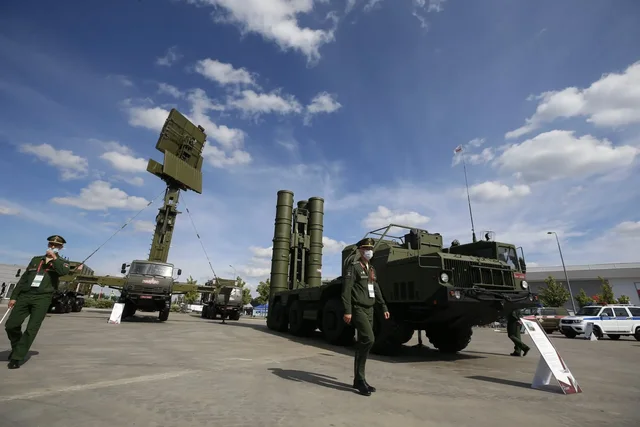
The main targets are radars, surveillance systems, electronic warfare equipment and anti-aircraft batteries. Their destruction or damage creates gaps in the air defense network, which are then exploited by long-range drones.
Ukraine's First Center for Unmanned Systems recently claimed to have managed to create a "corridor" towards Moscow after destroying several Russian radars. According to it, attacks on strategic facilities in Moscow, St. Petersburg and the port of Ust-Luga were only possible after parts of the air defense system were neutralized. These claims have not been independently confirmed, but they are consistent with analyses by several Western institutes.
The Institute for the Study of War (ISW) estimates that this campaign has intensified since late last year. Analyst Grace Mappes argues that the attacks are forcing Russia to consume more and more resources on air defense, making it more difficult to maintain a dense defense in all directions.
"Saturation" attacks
Another key element of the Ukrainian strategy is the use of so-called "saturation attacks".
Në vend që të mbështetet te një numër i kufizuar armësh me precizion të lartë, Ukraina lëshon dhjetëra ose qindra dronë në të njëjtën kohë. Edhe nëse shumica e tyre rrëzohen, mjafton që një pjesë të depërtojë për të goditur objektivat.
Kjo taktikë e detyron Rusinë të përdorë raketa shumë më të kushtueshme për të rrëzuar mjete ajrore relativisht të lira. Sipas Justin Bronk, studiues në Royal United Services Institute (RUSI), mbrojtja është ekonomikisht në disavantazh.
"Në shumë raste kushton më shumë të rrëzosh një dron sesa të prodhosh atë dron", vlerëson ai.
Ky është një problem që nuk lidhet vetëm me numrin e raketave në dispozicion, por edhe me koston financiare të mbrojtjes së vazhdueshme të një territori shumë të madh.
Në fillim të luftës, shumica e sulmeve ukrainase kryheshin me mjete të improvizuara ose me dronë komercialë të përshtatur për përdorim ushtarak. Sot situata ka ndryshuar ndjeshëm.
Sipas ekspertëve, industria ukrainase e mbrojtjes ka zhvilluar dronë me autonomi më të madhe, sisteme më të avancuara navigimi, rezistencë më të lartë ndaj ndërhyrjeve elektronike dhe kapacitet për të transportuar ngarkesa shpërthyese më të mëdha.
Justin Bronk thekson se kjo është një nga arsyet pse gjithnjë e më shumë dronë arrijnë të depërtojnë në territorin rus.
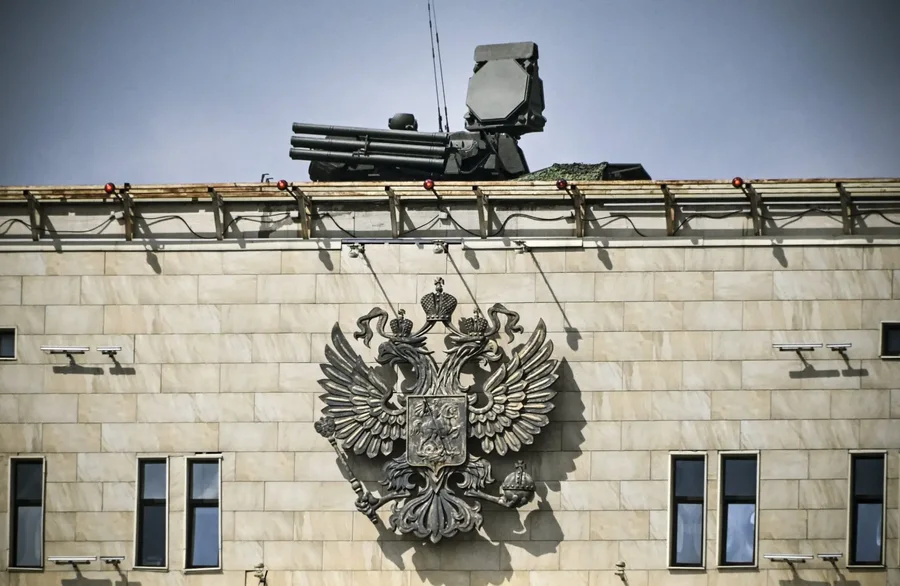
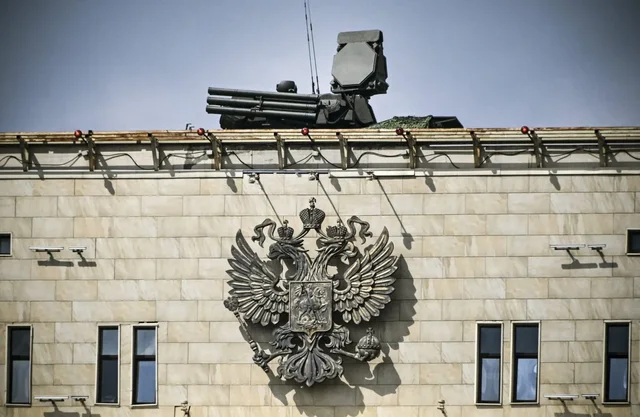
Në të njëjtën kohë, komandanti i Forcave Ukrainase të Sistemeve Pa Pilot, Robert Brovdi, ka deklaruar se edhe një rrjet i dendur mbrojtës rreth Moskës, me mbi 100 lëshues raketorë dhe më shumë se 50 sisteme Pantsir, nuk ka qenë në gjendje të pengojë plotësisht sulmet.
Rusia përballet me një dilemë strategjike
Një nga përfundimet kryesore të analizës së The i Paper është se Rusia nuk mund të mbrojë në mënyrë të barabartë të gjitha objektivat strategjike.
Ndërsa luftimet në Ukrainë vazhdojnë të kërkojnë sisteme të mbrojtjes ajrore pranë vijës së frontit, sulmet ukrainase po detyrojnë Kremlinin të zhvendosë një pjesë të këtyre sistemeve drejt qyteteve të mëdha dhe objekteve industriale.
Raportime të ndryshme sugjerojnë se Rusia ka transferuar sisteme shtesë Pantsir drejt Moskës, duke i tërhequr nga zona të tjera. Grace Mappes argumenton se Kremlini është përballë një zgjedhjeje të vështirë. Nga njëra anë duhet të mbrojë trupat që luftojnë në Ukrainë. Nga ana tjetër duhet të mbrojë rafineritë, bazat ajrore, depot e karburantit, nyjet hekurudhore, centralet energjetike dhe qytetet e mëdha në territorin rus.
"Pavarësisht burimeve që ka në dispozicion, Rusia nuk mund t'i mbrojë të gjitha objektet strategjike në mënyrë efektive", vlerëson ajo.
Shenja të konsumimit të sistemit rus
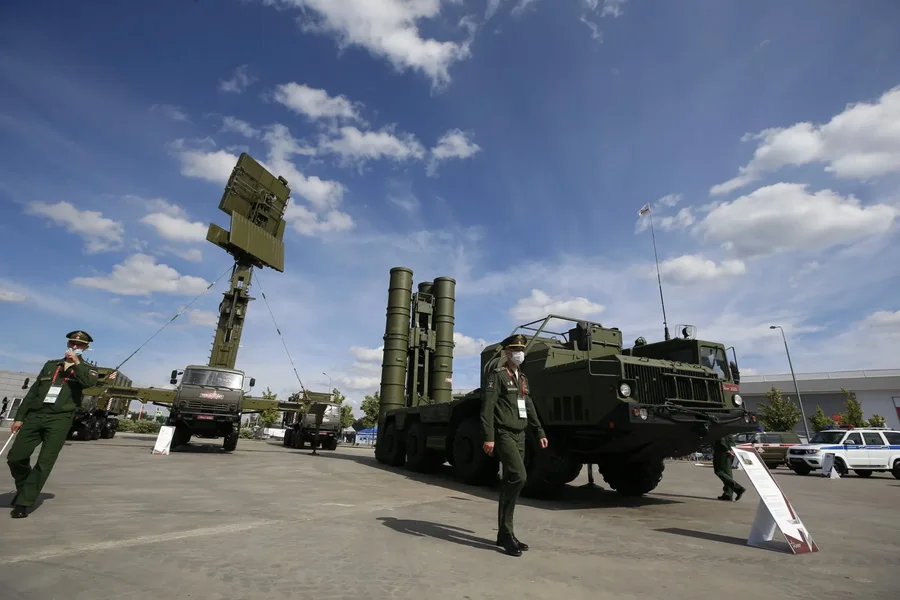
Disa analistë argumentojnë se mbrojtja ajrore ruse po shfaq shenja konsumimi. David Kirichenko nga Henry Jackson Society thotë se janë vërejtur lëshues me vende bosh për raketa, përdorim i raketave më të vjetra dhe platforma të improvizuara që përdorin raketa ajër-ajër të përshtatura për lëshim nga toka.
Justin Bronk adds that some short-range systems, particularly the Pantsir-S1, may face ammunition shortages in certain areas. On the other hand, Jonathan Lippert, president of the organization Defense Tech for Ukraine, argues that Russia has invested less than necessary in the development of specialized systems for intercepting drones.
However, experts warn that this does not mean that Russian air defense has collapsed. On the contrary, it continues to shoot down a significant portion of Ukrainian drones and remains one of the largest air defense systems in the world.
In addition to the military aspect, the conflict is also developing on the economic front. A relatively low-cost drone could force Russia to use interceptor missiles that cost many times more.
Even when the drone is shot down, Russia has consumed ammunition, activated radars, engaged personnel, and used systems that then need to be replaced or resupplied.
This is a war model that favors the side that manages to produce drones in large numbers and at low cost.
Political influence on the Kremlin
Experts quoted by The i Paper believe that the most important consequence of these attacks may not be material damage, but political impact. Since the beginning of the war, the Kremlin has built a narrative that military operations take place far from Russian territory and that the state is able to guarantee the safety of citizens. The attacks on Moscow, St. Petersburg and other regions challenge this perception.
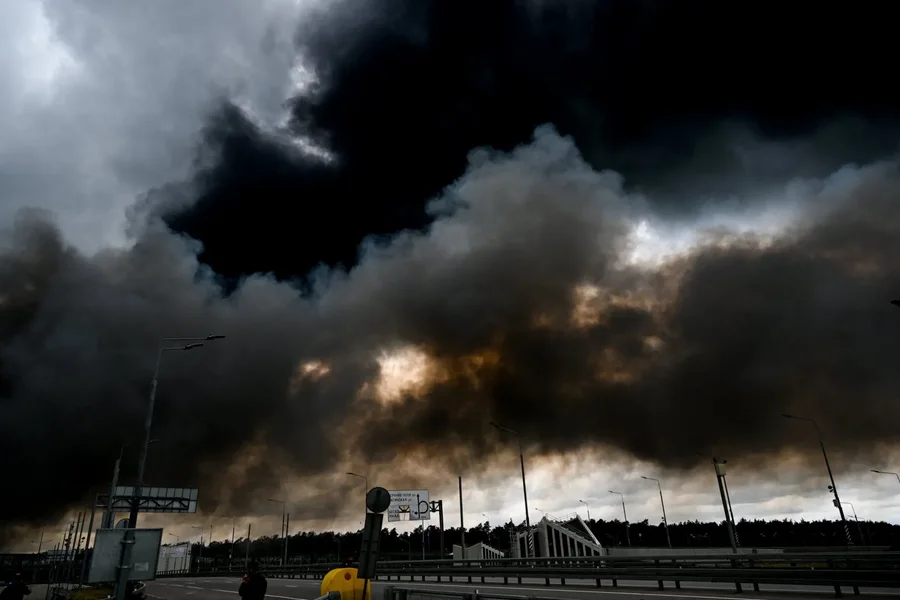
The sights of burning refineries, air raid warnings, and airport closures are events that directly affect Russian public opinion.
According to Justin Bronk, these attacks constitute "a visible, humiliating, and potentially politically dangerous counter-narrative" for the Russian leadership.
What's next?
Analysts do not expect drone strikes to replace ground operations or single-handedly change the course of the war. However, they are becoming an increasingly important element of Ukraine's strategy.
If Ukraine continues to increase production of long-range drones and systematically strike Russian air defenses, Moscow will be forced to invest more resources in defending its territory, creating a constant trade-off between frontline needs and the protection of strategic facilities.
At the same time, experts emphasize that it is important to distinguish verified facts from the claims of the warring parties. Many of the figures on the number of drones shot down or targets hit come from official statements from Russia and Ukraine and cannot be independently confirmed.
However, there is a broad consensus among analysts that the Ukrainian drone campaign has entered a new phase, forcing Russia to confront military, economic and political challenges that extend far beyond the front lines. /Adapted from Pamphlet by I Paper/





Lini një Përgjigje