


 Shkruar nga Pamfleti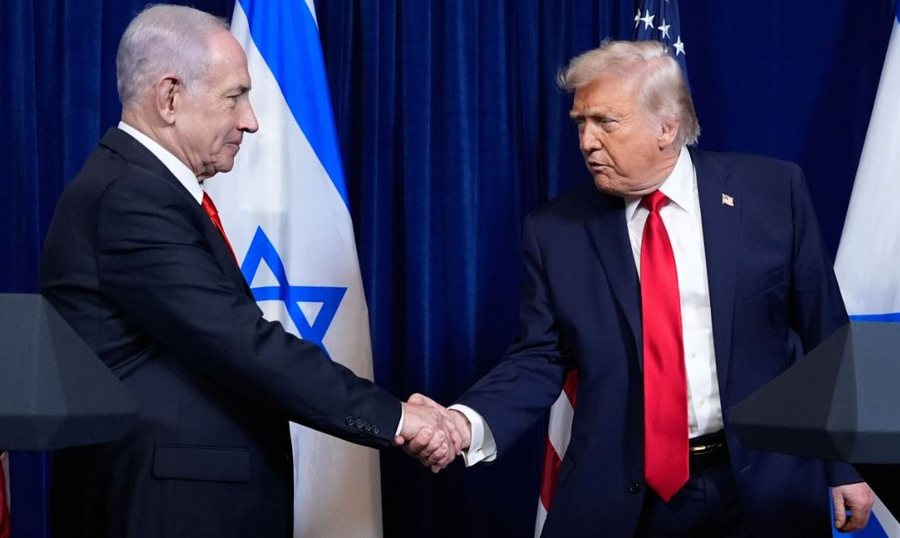
Tensions between the United States and Israel have increased during recent military operations against Iran, according to a report published by The New York Times.
The newspaper reports that American officials had warned Israeli Prime Minister Benjamin Netanyahu not to attack the large oil reservoirs near Tehran, but their advice was ignored.
According to the report, in late February, several senior Israeli officials had suggested to Netanyahu that if the initial strikes eliminated a significant portion of the Iranian leadership, including Supreme Leader Ali Khamenei, then widespread popular protests could erupt that would potentially lead to the overthrow of the regime.
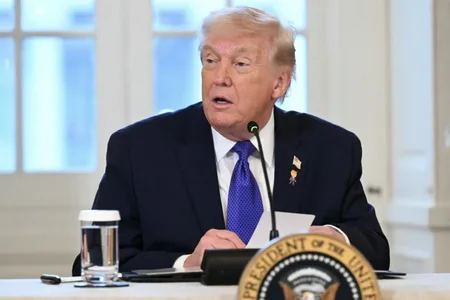
This idea was also conveyed to US President Donald Trump. After the operations began, he addressed a message to the Iranian people, declaring: “When we are finished, take your government. It will be yours to take over.”
However, developments on the ground have not confirmed this scenario. Instead of anti-regime protests, Tehran has seen mainly pro-government demonstrations, fueled by anger over the war and several reported incidents during military operations.
In an interview with Fox News, Trump acknowledged that the crackdown on the Basij paramilitary organization, affiliated with the Islamic Revolutionary Guard Corps (IRGC), could be a serious setback for protesters. “They say anyone who protests will be killed in the streets. That’s a very big setback for people who don’t have guns,” he said.
Dispute over attacks on oil infrastructure
The report notes that one of the key moments of tension between the two allies was Israel's decision to strike major fuel depots near Tehran. According to The New York Times, both Trump and Admiral Brad Cooper, commander of United States Central Command (CENTCOM), had warned that such an attack could cause chain reactions in energy markets and the region.
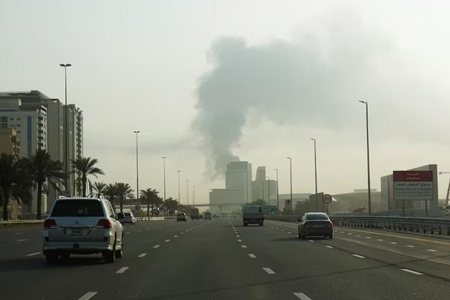
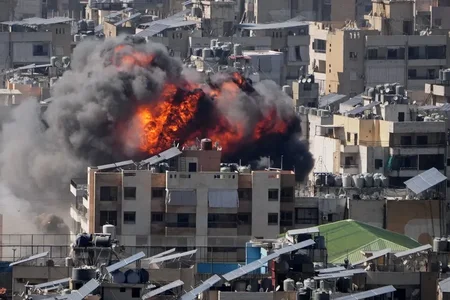
However, Israel carried out the attack. The strike caused massive fires and a temporary increase in oil prices on international markets.
According to several American officials cited by the newspaper, the Israeli government believed that the dramatic images of the fires in Tehran could incite internal unrest against the Iranian regime.
Following the attack, Iran responded with drone strikes on oil refining and storage facilities in Saudi Arabia and the United Arab Emirates. The attacks temporarily disrupted oil loading at the important export terminal in Fujairah.
Debate also about the front in Lebanon
Disagreements between the two countries have also emerged over operations in Lebanon against the armed group Hezbollah. The US administration believes that the expansion of the conflict increases the risk of regional escalation.
On the other hand, Netanyahu argues that Iran and Hezbollah form part of the same threat structure to Israel.
However, according to the Israeli military, cooperation between the two allies remains close. The Israel Defense Forces states that Israel and the US continue to closely coordinate actions on strategic and security matters.
Meanwhile, according to The New York Times, Trump and Netanyahu have been in contact almost daily during the crisis. The US president is also holding regular consultations with Arab leaders, including Saudi Arabia's Crown Prince Mohammed bin Salman.



Lini një Përgjigje