


 Shkruar nga Pamfleti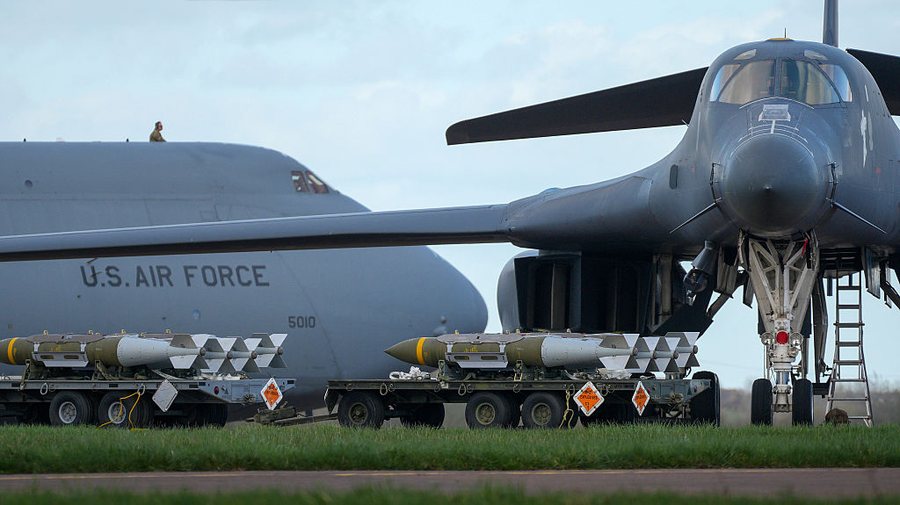
The United States remains unmatched in military capacity, but its ability to shape political outcomes is weakening in an increasingly fragmented international system.
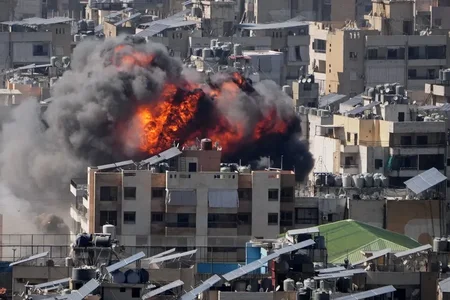
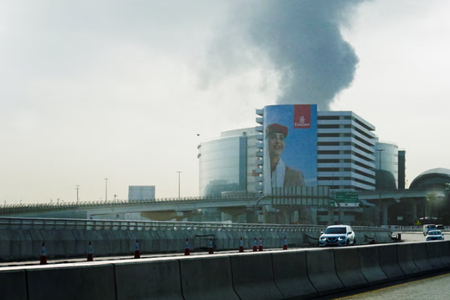
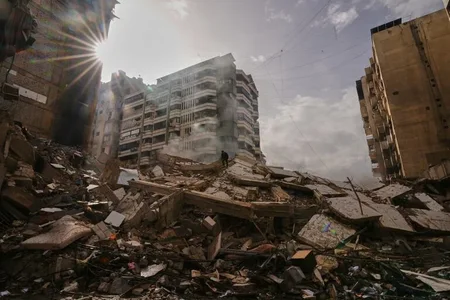
The conflict with Iran has reignited the debate over the limits of American power in the international order. Although the United States remains the world's preeminent military power and has a high capacity to project force and strike targets with precision, analysts say that translating this superiority into long-term political outcomes is increasingly difficult. Disruptions in energy trade and the risk of regional escalation highlight the complexity of the situation, while some allies express reservations about the American strategy.
According to analysts, the world is moving from a post-Cold War unipolar order to a more distributed power system, with China and middle powers gaining a greater role. However, the US retains significant advantages in technology, energy and the network of alliances, especially NATO. The main challenge remains whether Washington can adapt to this new global reality, where its power remains large but no longer dominant.
Full analysis by Chris Kremidas-Courtney on EurActiv
The war with Iran has exposed a familiar paradox of American power. The United States can strike targets with extraordinary precision, project force across multiple theaters, and maintain military superiority over virtually any adversary. Yet translating that power into lasting political outcomes has become much more difficult.
In 2002, during the preparations for the Iraq war, the sociologist Immanuel Wallerstein warned that the United States faced a choice: manage its decline or accelerate it. At the time, this claim seemed far-fetched. Washington had just demonstrated overwhelming military might in Afghanistan, Silicon Valley’s technological dominance seemed unchallenged, and China was still years away from economic parity. American primacy seemed a stable element of the international system. Today, the gist of Wallerstein’s argument seems much more applicable.
The United States remains the world’s most powerful military actor, and its technological ecosystem continues to produce extraordinary levels of innovation. The dollar remains the backbone of the global financial system. But power is not measured solely by capacity, but also by the ability to shape outcomes, build coalitions, and maintain legitimacy.
Uashingtoni ka treguar se mund të godasë objektiva iraniane me saktësi dhe të dominojë në disa fusha njëkohësisht. Megjithatë, mjedisi më i gjerë strategjik është bërë më i vështirë për t’u kontrolluar. Ndërprerjet në transportin detar përmes Ngushticës së Hormuzit kanë tronditur tregjet e energjisë, ndërsa rreziku i përshkallëzimit rajonal mund të tërheqë aktorë të tjerë në konflikt. Edhe aleatët që ndajnë shqetësimet për sjelljen rajonale të Iranit vënë në pikëpyetje strategjinë e kësaj fushate.
Pavarësia energjetike tani u jep Shteteve të Bashkuara më shumë hapësirë manovrimi. Ajo zbut goditjen ekonomike që dikur shoqëronte konfliktet në Gjirin Persik dhe u jep ndikim ndaj shteteve që varen nga tregjet globale të energjisë. Por kjo nuk e zgjidh sfidën më të thellë: ruajtjen e legjitimitetit në një sistem ndërkombëtar më të shpërndarë. Fuqia ushtarake e mbështetur nga pasuria energjetike është e frikshme, por jo e pakufishme. Ajo nuk mund të garantojë aftësinë për të formësuar rezultatet politike në një botë ku fuqia nuk është më e përqendruar në një kryeqytet të vetëm.
Rezultati është një epërsi ushtarake që nuk arrin të prodhojë rezultatet strategjike të dëshiruara. Wallerstein e paralajmëroi këtë dinamikë që në vitin 2002. Fuqitë hegjemonike rrallë shemben brenda natës, sepse autoriteti i tyre gërryhet përpara se të dobësohen kapacitetet. Aftësia për të imponuar rezultate zëvendësohet gradualisht nga nevoja për t’i zbatuar ato me forcë.
Në momente të tilla, veprimi ushtarak ofron demonstrime të dukshme të fuqisë dhe qetëson opinionin e brendshëm. Megjithatë, çdo ndërhyrje konsumon kapital politik. Aleatët bëhen më të kujdesshëm, shtetet neutrale përpiqen të mbajnë ekuilibër dhe fuqitë rivale përfitojnë nga turbulencat.
Ky model është bërë i njohur gjatë gjysmëshekullit të fundit. Lufta në Vietnam tregoi kufijtë e forcës ushtarake dërrmuese përballë një rezistence të vendosur. Iraku tregoi sa e vështirë është të shndërrosh fitoren në fushëbetejë në qeverisje të qëndrueshme. Afganistani dhe Libia dëshmuan se edhe forcat më të afta të armatosura në botë e kanë të vështirë të imponojnë rezultate afatgjata. Konflikti me Iranin rrezikon t’i shtohet kësaj liste.
Megjithatë, kjo nuk do të thotë se Shtetet e Bashkuara janë në prag të zhdukjes si fuqi e madhe. Ato ruajnë avantazhe të mëdha në teknologji, prodhim energjie, qëndrueshmëri demografike dhe, mbi të gjitha, në aleancën e NATO-s që i lidh me botën demokratike. Këto forca do të vazhdojnë të ndikojnë politikën ndërkombëtare për dekada.
Ajo që ka ndryshuar është vetë rendi ndërkombëtar.
The post-Cold War era created a unipolar moment, when the United States seemed able to set the rules of the system almost single-handedly. That era has been over for years. China has emerged as a systemic competitor, while middle powers have gained greater autonomy in their foreign and economic policies. Regional conflicts now unfold beyond the control of a single global actor.
The world is neither returning to the bipolarity of the Cold War nor to a stable multipolar order. Instead, a more distributed system is emerging, where power is widely shared but unevenly exercised. For any leading state, the challenge is no longer dominance, but how to navigate this new reality. Because no state can do it alone.
The United States still has the capacity to play a stabilizing role. It maintains alliances that no rival can match, world-class research institutions, and dynamic markets. Even despite its internal polarization, its political culture continues to project ideals of freedom, rights, and civic participation. These forces carry more weight when they strengthen legitimacy than when they rely on coercion.
The question that Wallerstein raised 24 years ago still remains unanswered: can the United States adapt to a world in which it remains powerful but is no longer alone?
The answer will determine whether this new global order will develop with relative stability or continued turmoil.
History suggests that decline is not the most dangerous phase in the life of a great power. The danger arises when leaders refuse to acknowledge it. The United States can still avoid this pattern, but only if it sees alliances like NATO not as constraints on American power but as its foundation. / Pamphlet /


Lini një Përgjigje