


 Shkruar nga Pamfleti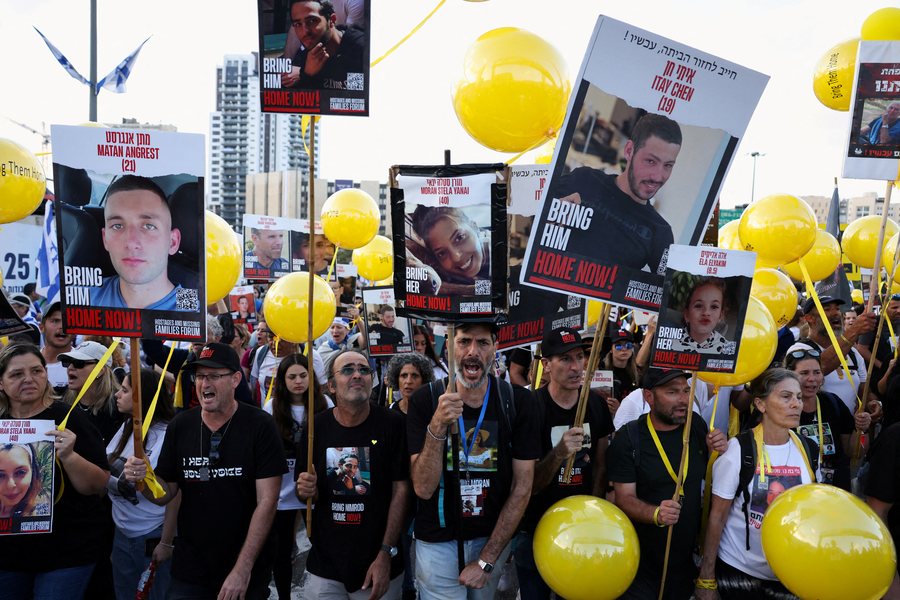
The best-known example of a hostage-taking deal linked to Netanyahu resulted in the release of more than 1,000 Palestinian prisoners in exchange for an Israeli soldier, Gilad Shalit, in 2011.
Israel and Hamas are close to finalizing a ceasefire agreement, which could be reached tonight or early tomorrow morning, Wednesday.
According to foreign media, negotiators are finalizing the final details for the release of Hamas prisoners.
Among other things, Hamas will provide a list of names of people to be released and in return demands that Palestinians held in Israeli prisons be released at the same time.
The achievement of the agreement was also verified by the Ministry of Foreign Affairs of Qatar, which has assumed the role of mediation. "We are closer to an agreement than ever. The talks have reached a critical and final stage," the statement said.
Hamas leader Ismail Haniya said Tuesday, in a written statement to Palestinian news agencies and media, that reaching a cease-fire agreement with Israel "is close."
There has been no official response from Israel, however, according to reports in the Israeli media, the war cabinet has given the "green light" to a ceasefire agreement and the release of hostages.
Terms of the agreement
According to AFP, the agreement may include:
-A ceasefire in ground fighting and restrictions on Israeli air operations over southern Gaza.
-Palestinian organizations will release 50 to 100 hostages, who will be Israeli citizens or citizens of other nationalities, but not soldiers.
-In exchange, 300 Palestinians, including women and children, will be released from Israeli prisons.
AFP cited unnamed Hamas and Islamic Jihad officials who also told the news agency that their organizations had agreed to the terms.
At the same time, Hamas official Issat al-Risk told Al Jazeera that the negotiations are focused on the duration of the ceasefire, the delivery of aid to Gaza and the exchange of Israeli hostages for Palestinian prisoners.
Both sides will release women and children, according to Al Risk.
Who is participating in the talks?
Talks between the representatives of the two sides have continued for weeks.
On the Palestinian side, Al Risk emphasized that the agreement was reached with the participation of "all Palestinian resistance brigades through phone calls."
The International Committee of the Red Cross, a humanitarian organization that has brokered hostage releases and other cases in the past, said its head traveled to Qatar for meetings with Hamas officials, raising hopes for a deal.
What do the Israeli media say?
Mediat izraelite raportojnë se marrëveshja është "e mbyllur" pasi Izraeli thuhet se ka dhënë "dritën jeshile".
Megjithatë, këshilli i luftës i vendit nuk ka ndërmend të zbulojë asgjë derisa vendimet të jenë përfundimtare.
Kanali 12 i Izraelit raportoi se kabineti i luftës shprehu të dielën "gatishmërinë për të vazhduar me negociatat e pengjeve dhe dëshiron t'i dërgojë një mesazh Katarit se është gati të arrijë një marrëveshje".
E njëjta gjë u tha edhe të hënën nga presidenti amerikan, ku Joe Biden u shpreh se besonte se një marrëveshje për lirimin e pengjeve ishte afër.
Në të njëjtën kohë, Shtëpia e Bardhë njoftoi se negociatat janë në fazën përfundimtare, por nuk pranoi të japë më shumë detaje, duke theksuar se kjo mund të rrezikojë rezultatin e suksesshëm të bisedimeve.
Pse është vonuar marrëveshja?
Al Risk ia atribuoi vonesat në ecurinë e negociatave palës izraelite dhe personalisht kryeministrit izraelit Benjamin Netanyahu.
Daniel Levy, kreu i Programit të SHBA-së për Lindjen e Mesme të Izraelit dhe negociator për paqen nën kryeministrat Yitzhak Rabin dhe Ehud Barak, i tha Guardian se "izraelitët janë gjithmonë duke u përpjekur të fitojnë më shumë operacione përpara se të arrijnë një marrëveshje".
“Çdo ditë ata shpresojnë se do të kenë fituar lotarinë, do të kenë vrarë liderët e Hamasit dhe do të jenë në gjendje të demonstrojnë një sukses të rëndësishëm ushtarak”, komentoi ai.
Ndër të tjera, Levi argumenton se Netanyahu po i reziston një marrëveshjeje, pasi me përfundimin e luftës ai mund të gjendet në një pozicion të vështirë politik. Shumë në Izrael e konsiderojnë atë përgjegjës për dështimin për të mbrojtur civilët pranë kufirit të Gazës, thekson Levy.
Sipas mediave izraelite, një pikë penguese për palën izraelite është se një udhëheqës i Hamasit ka kërkuar që asnjë avion izraelit i asnjë lloji të mos jetë në ajër gjatë pauzës.
Kjo konsiderohet si problematike nga Izraeli, sepse mund të shkaktojë probleme për forcat e tij, veçanërisht forcat tokësore të stacionuara atje.
Hamasi mori pengje, sepse e di dinamikën e një veprimi të tillë në shoqërinë izraelite.
Shembulli më i njohur i një marrëveshjeje pengmarrjeje dhe të lidhur me Netanyahun rezultoi në lirimin e më shumë se 1000 të burgosurve palestinezë në këmbim të një ushtari izraelit, Gilad Shalit, në vitin 2011.
Times of Israel raporton se ministri izraelit i Sigurisë Kombëtare Itamar Ben-Gvir paralajmëroi kundër një marrëveshjeje për shkëmbimin e pengjeve.
“Jam shumë i shqetësuar sepse po flitet për një marrëveshje. Na mbajnë jashtë dhe nuk na thonë të vërtetën. Thashethemet thonë se Izraeli do të bëjë një gabim të madh përsëri në të njëjtën mënyrë si marrëveshja e Shalit."
Marrëveshja Izrael-Hamas në çdo rast pritet të përfshijë, në fazën e parë, lirimin e disa prej pengjeve të mbajtura në Gaza, dhe në të njëjtën kohë një armëpushim.
Nëse armëpushimi qëndron, më shumë pengje mund të lirohen më vonë.
Çfarë dimë për pengjet e Hamasit
Israel claims that at least 237 people were taken hostage during the October 7 Hamas attacks, 33 of them children.
They are nationals of more than 40 countries, while at least 20 are reported to be workers from Thailand.
Hamas has released four hostages, two Israeli citizens and two United States citizens.
What do we know about Palestinian prisoners?
Before October 7, about 5,200 Palestinians were held in Israeli prisons.
Since then, Israeli forces, according to Al Jazeera, have arrested at least 2,960 more during daily raids in the West Bank and East Jerusalem.
Among them it is said that there are at least 95 women and 37 journalists.
At least 200 of those held in Israeli prisons are children, according to rights groups.
What is happening in war-torn Gaza?
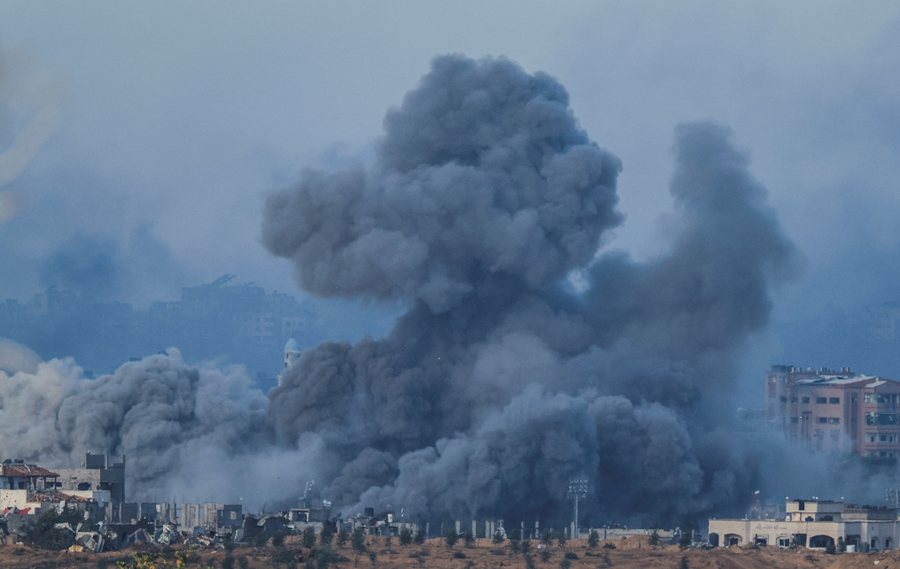
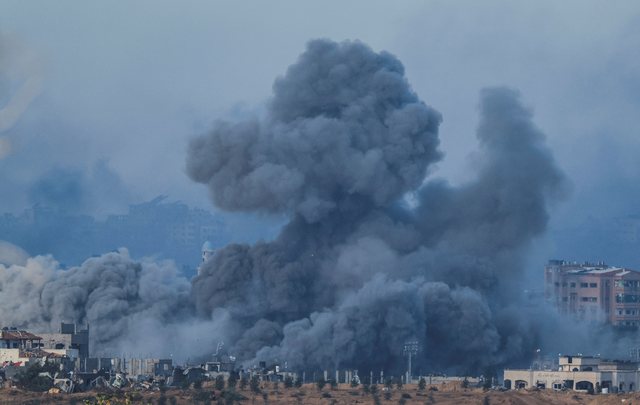
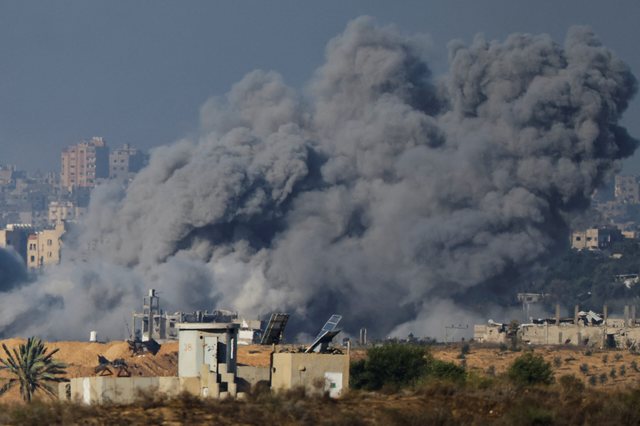
While ceasefire negotiations are underway, Israeli attacks on the Gaza Strip continue.
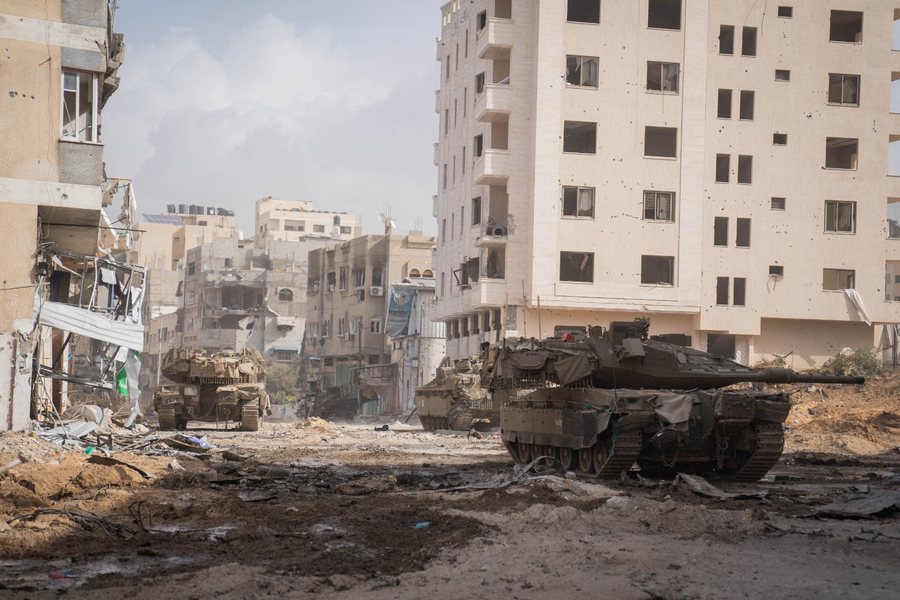
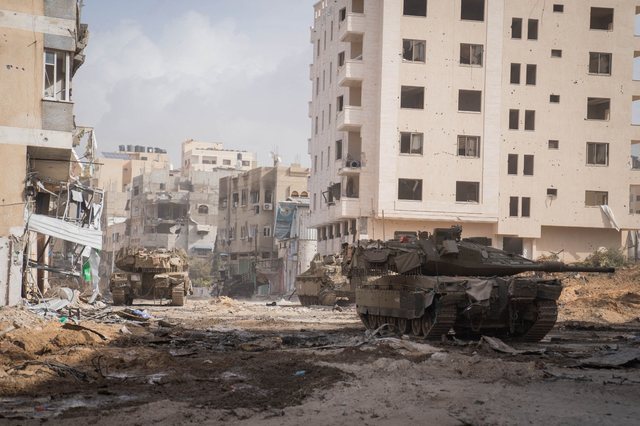
The Israeli military said it had surrounded the town of Jabalia in northern Gaza as it said its forces were "ready for the next phase of the conflict".
Jabalia is located north of Gaza City, where some of the fiercest fighting of the war has taken place.
The Israel Defense Forces reported several hours ago that they had carried out attacks on 250 Hamas targets in the past 24 hours, using fighter jets and other aircraft.
Earlier today, there were airstrikes on the Nuseirat refugee camp in central Gaza.
Meanwhile, shelling is intensifying near the Indonesian Hospital and the Kamal Antoine Hospital in the northern part of the Gaza Strip.
Hundreds of Palestinians are said to be trapped inside the Indonesian hospital, which is surrounded by Israeli tanks.
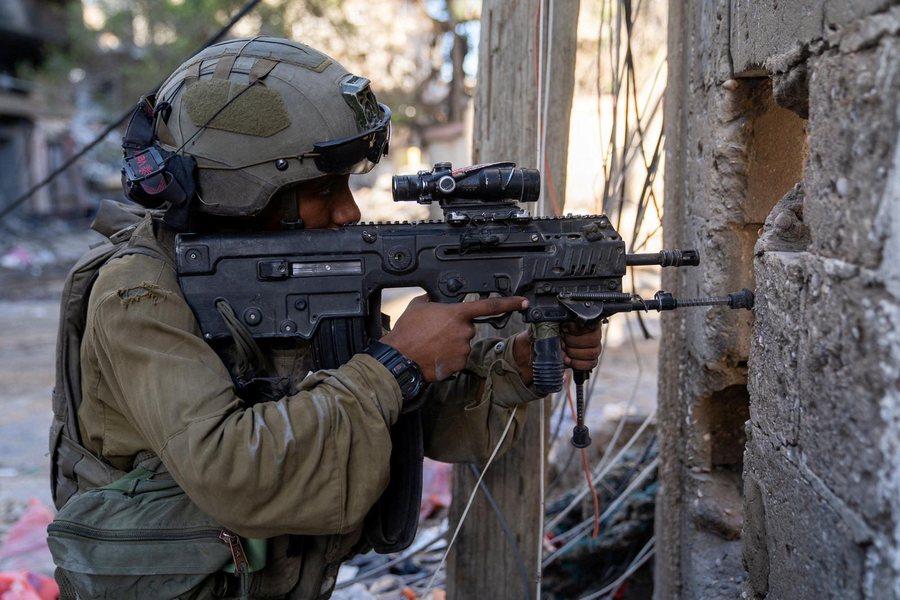
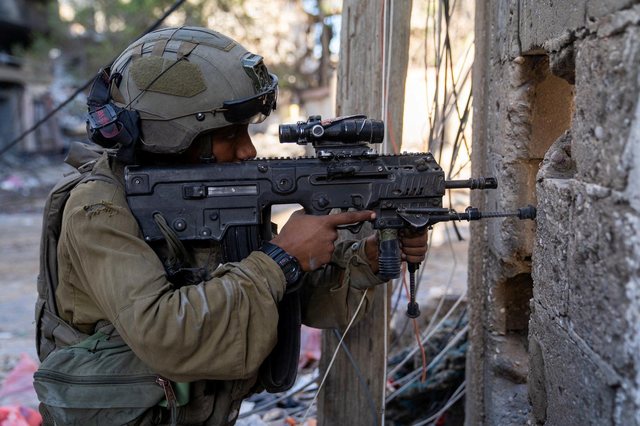
The Israel Defense Forces also announced that two more Israeli soldiers, aged 20 and 26, were killed in fighting in northern Gaza on Monday.
According to the IDF, 383 soldiers have been killed in the past six weeks, most during the October 7 attacks.
Gaza's health ministry, which is controlled by Hamas, reports that more than 13,300 Palestinians, many of them children and women, have died since the war began.





Lini një Përgjigje