


 Shkruar nga Pamfleti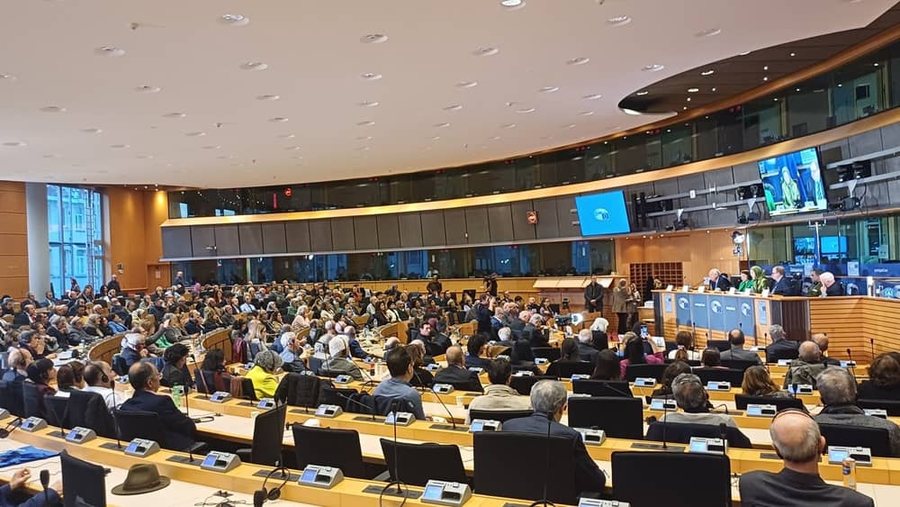
At a major conference held on International Human Rights Day at the European Parliament, lawmakers, legal experts, former ministers and human rights leaders condemned Iran’s escalating campaign of executions and transnational repression, repeatedly highlighting the growing international support for the NCRI, the expanding network of Resistance Units and Maryam Rajavi’s Ten-Point Plan for a democratic and secular republic. Speakers warned that Tehran’s intensified violence, now at historic levels, reflects the regime’s weakened position and the rise of an organized opposition capable of challenging its authority.
In her speech, NCRI President-elect Maryam Rajavi warned that the human rights crisis in Iran has reached an unprecedented level, noting that "335 executions" were carried out in November alone and that the regime is now "hanging human rights every day." She cited 18 political prisoners sentenced to death solely for supporting the PMOI and stressed that the scale of the repression reflects the regime's growing fear: "Never before have the mullahs had such a need to intensify repression, because never before have they felt so close to overthrow."
Ms. Rajavi emphasized that the Resistance Units are expanding throughout Iran, demonstrating a nationwide will to end the religious dictatorship and replace it with a democratic republic that rejects both the autocracies of the Shah and the mullahs. She reiterated that the Iranian people demand a system based on free elections, the separation of religion and state, gender equality, the abolition of the death penalty, and respect for the Universal Declaration of Human Rights.
She condemned the regime’s transnational repression, noting the attempted assassination of former EP Vice-President Alejo Vidal-Quadras in Madrid, threats against Iranian dissidents across Europe, and Tehran’s attempt to use fair trials to criminalize participation in NCRI/PMOI events abroad. Ms. Rajavi stressed that the destruction of mass grave sites from the 1980s and the attempt to erase evidence of the 1988 massacre constitute violations of international law.
Ms. Rajavi outlined four urgent actions for the European Union:
End the silence of EU institutions on human rights atrocities, especially the cases of political prisoners sentenced to death for supporting the PMOI.
Dedicate all relations with Tehran to the immediate cessation of executions.
Close Iranian embassies and front organizations used for extraterritorial intimidation.
Designate the IRGC and the Ministry of Intelligence as terrorist entities.
It concluded that Iran faces “only one path – a democratic uprising leading to the overthrow of religious tyranny” and affirmed that the NCRI’s Ten-Point Plan remains the only viable framework for a free, secular and democratic Iran.
Many members of the Iranian community are at the @Europarl_EN today on #HumanRightsDay raising their voices for human rights and democratic change in Iran. #StopExecutionsInIran #StandUp4HumanRights @eujournalists @BrusselsTimes @EuroParlPress https://t.co/d17t3MVMcY pic.twitter.com/JXvpXO5MrQ
— APA-ICE (@APA_ICE) December 10, 2025
Former MEP Struan Stevenson, who moderated the event, opened the event with a scathing assessment: airstrikes against the regime’s military and nuclear infrastructure “cannot uproot the epicenter of instability, the clerical dictatorship in Tehran.” He underlined that the MEK-linked Resistance Units are now the only organized force inside Iran capable of confronting state repression and praised the NCRI as the most coherent political coalition offering a viable plan for transition. Stevenson urged the EU to “end the appeasement,” close Iranian embassies, expel intelligence networks, and finally designate the IRGC as a terrorist organization.
Former US Ambassador for Global Criminal Justice Stephen Rapp said that Iran’s surge in executions to nearly 2,000 so far this year amounted to crimes against humanity, echoing a pattern that culminated in the massacre of 30,000 political prisoners in 1988, most of them MEK members. Drawing parallels with accountability efforts in Syria, he argued that justice is possible even without an international court, provided Europe strengthens documentation and prosecutions with universal jurisdiction. Rapp warned that past Western policies—particularly the mislabeling of the PMOI as terrorists—must “never again” undermine the Iranian opposition.
Ish-deputetja eurodeputete Dorien Rookmaker e shpalli regjimin iranian "100 për qind të keqe të pastër", duke i nxitur qytetarët e BE-së të përforcojnë rastet e të burgosurve politikë në pritje të vdekjes përfshirë 17 mbështetës të opozitës demokratike. Ajo mbështeti një Plan Dhjetë Pikash për BE-në, duke bërë thirrje për ndjekje penale me juridiksion universal, një gjykatë të mandatuar nga OKB-ja për Iranin, duke kushtëzuar marrëdhëniet me ndalimin e ekzekutimeve dhe duke miratuar zyrtarisht Planin Dhjetë Pikash të znj. Rajavi si udhërrëfyes demokratik për të ardhmen e Iranit.
Mark Ellis. Executive Director of the International Bar Association speaking
— Firouz Mahvi (@FirouzMahvi) December 10, 2025
European Parliament Conference Brussels with Maryam Rajavi #HumanRightsDay pic.twitter.com/frWDq2RXVZ
Udhëheqësi i të drejtave të njeriut dhe ish-Sekretari i Përgjithshëm i Amnesty International, Kumi Naidoo, i kërkoi BE-së të miratojë një plan veprimi me gjashtë pika, duke përfshirë një moratorium të menjëhershëm mbi ekzekutimet, krijimin e mekanizmave hetimorë për masakrën e vitit 1988 dhe mbrojtje të qartë të disidentëve iranianë në Evropë. Naidoo dënoi represionin e regjimit të nxitur nga frika i theksuar nga dënimi me vdekje kundër inxhinieres 67-vjeçare Zahra Tabari për mbajtjen e një pankarte ku shkruhej "Gruaja, Rezistenca, Liria". Ai vlerësoi gratë iraniane dhe Njësitë e Rezistencës si "zemra e luftës mbarëkombëtare", duke këmbëngulur se frika dhe represioni zbulojnë dobësinë politike të regjimit.
Ish-Ministri spanjoll i Drejtësisë dhe eurodeputeti kryesor Juan Fernando López Aguilar theksoi se ekzekutimet masive të Iranit dhe aparteidi gjinor paraqesin një sfidë të drejtpërdrejtë për angazhimet thelbësore ligjore dhe diplomatike të BE-së. Ndërsa u përmbajt nga mbështetja e një rryme specifike politike, ai përsëriti se diplomacia evropiane duhet t'i japë përparësi përfundimit të dënimit me vdekje dhe shtypjes sistemike, duke vënë në dukje se shkalla e ekzekutimeve është e papajtueshme me çdo formë angazhimi.
Eurodeputeti Antonio López-Istúriz White, Kryetar i Delegacionit për Marrëdhëniet me Meksikën, theksoi se represioni i regjimit iranian shtrihet në të gjithë Evropën, duke iu referuar atentatit kundër ish-nënkryetarit të PE-së Alejo Vidal-Quadras. López-Istúriz këmbënguli se asnjë normalizim i marrëdhënieve BE-Iran nuk është i pranueshëm pa përmirësime të matshme në të drejtat e njeriut, dhe i kërkoi Këshillit dhe Komisionit të përputhen me qëndrimin më të fortë të Parlamentit. Ai paralajmëroi se rrjetet e ndërmjetësuara të Teheranit veçanërisht Hezbollahu përbëjnë një kërcënim në rritje për sigurinë përtej Lindjes së Mesme, duke synuar në fund të fundit vetë Evropën.
The Second Conference in the European Parliament on International #HumanRightsDay
— Maryam Rajavi (@Maryam_Rajavi) December 10, 2025
In Iran, the mullahs hang human rights every single day. Their record of horrific crimes does not need an annual review. This tragic dossier is open every day of the year, every hour of the day.
In… pic.twitter.com/ISXYNCsPpH
Mark Ellis, Drejtor Ekzekutiv i Shoqatës Ndërkombëtare të Avokatëve, prezantoi gjetjet nga një raport i ri i IBA-së që dokumenton çmontimin sistematik të profesionit ligjor në Iran dhe rënien totale të pavarësisë gjyqësore. Ai paralajmëroi se vala aktuale e ekzekutimeve përsërit logjikën e vitit 1988 dhe se sundimtarët e Iranit janë të angazhuar në një fushatë për të "varrosur provat, për të heshtur viktimat dhe për të forcuar pandëshkueshmërinë". Ellis kërkoi raste të koordinuara me juridiksion universal në të gjithë Evropën dhe këmbënguli që autorët e krimeve nuk duhet të besojnë se "koha është në anën e tyre".
Dominique Attia, Kryetare e Fondacionit Evropian të Avokatëve, i përshkroi ekzekutimet e Iranit përfshirë 335 vetëm në nëntor si një strategji të qëllimshme terrori. Ajo dënoi shkatërrimin e vendeve të varreve masive nga Teherani, duke e quajtur përdhosjen e 9,500 varreve "një përdhosje përfundimtare" që kërkon ndjekje penale ndërkombëtare. Attias paralajmëroi se 18 të burgosur politikë, përfshirë gra, përballen me ekzekutim të menjëhershëm vetëm për lidhje të dyshuar me PMOI-në, dhe i kërkoi BE-së të fusë në listën e zezë Khamenein dhe zyrtarët gjyqësorë si Iman Afshari për krime që përbëjnë gjenocid dhe krime kundër njerëzimit.
Mjeku iraniano-suedez, Dr. Sina Dashti, dha dëshmi personale nga brezi që i rezistoi si autokracisë së Shahut, ashtu edhe diktaturës klerikale. Ai theksoi se shoqëria iraniane refuzon si monarkinë ashtu edhe teokracinë, duke vënë në dukje se shtypja e forcave demokratike nga Shahu përfshirë themeluesit e MEK hapi rrugën për tiraninë fetare të sotme. Dashti theksoi tërheqjen në rritje të Planit Dhjetë Pikash të Maryam Rajavi-t midis iranianëve të rinj dhe këmbënguli se mbështetja e NCRI-së është sinonim i mbështetjes së rrugës së vetme të qëndrueshme të popullit iranian drejt lirisë.
At European Parliament, listening to Maryam Rajavi on the day of internationhumanrights pic.twitter.com/rthxv1JsSq
— sina Dashti (@sinadashti) December 10, 2025
International human rights lawyer Azadeh Zabeti, speaking for JVMI, detailed the growing danger faced by 18 political prisoners sentenced to death for supporting the PMOI, warning that their executions would be deliberate political assassinations by the state. She read a global statement signed by over 300 prominent women, including former heads of state, demanding the release of Zahra Tabari and calling on governments to support Iranian women leading the fight for democracy.
At the end of the event, the speakers united in a unified message:
The Iranian regime intensifies executions because it fears organized resistance within Iran.
The NCRI's political platform, the MEK Resistance Units, and the nationwide rejection of both the Shah and the mullahs are reshaping the political landscape.
More urgently, participants demanded:
• EU action to halt the executions;
• Designation of the IRGC and MOIS as terrorists;
• Closure of Iranian diplomatic facilities used for repression;
• Universal jurisdictional prosecution for the 1988 massacre and current crimes;
• Recognition of the right of the Iranian people to overthrow the dictatorship and elect a democratic republic.



Lini një Përgjigje