


 Shkruar nga Lawrence Freedman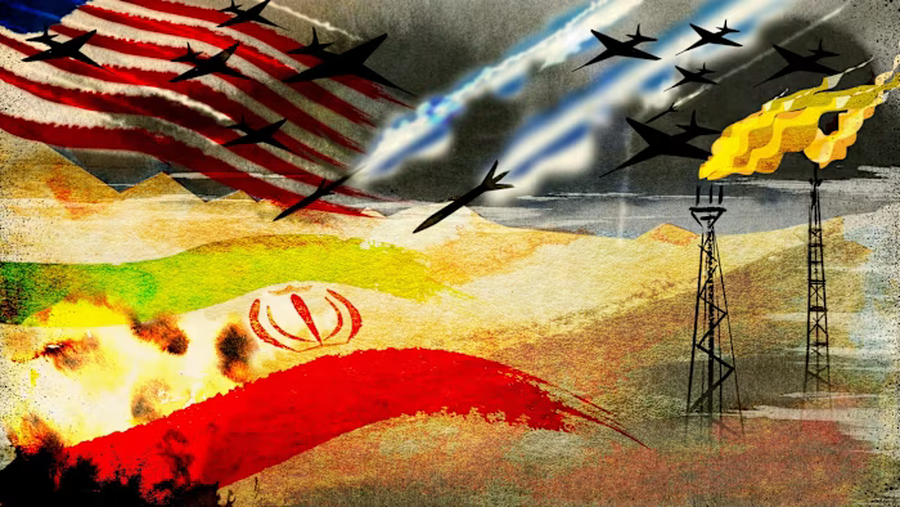
Israel and the US have achieved many military goals in Iran, but the unpredictable consequences pose threats to all...
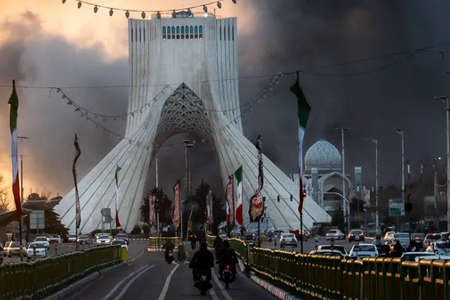
A general rule is that the unintended consequences of any military operation can be as, or even more, significant than the intended ones. This is especially true of the war being waged by Israel and the US against Iran.
Citing international law, the Trump administration claimed it went to war because there was an imminent threat that required preemptive action, perhaps even a nuclear weapon or an intercontinental ballistic missile. No intelligence was presented to support these claims. The message that accompanied the first strikes suggested that this conflict would mark the end of a horrific regime that had persecuted its own people and fueled regional conflicts for decades.
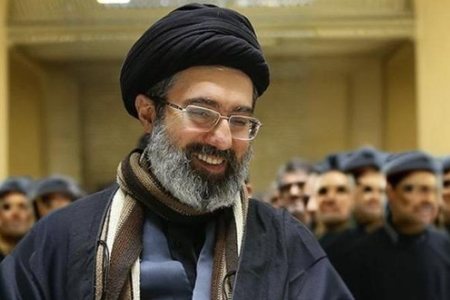
However, while the government has undoubtedly been shaken by the assassination of the supreme leader, Ayatollah Ali Khamenei, it has not yet collapsed. Many people in Iran would be pleased to see the end of a tyrannical and corrupt regime. Unfortunately, the opposition is disorganized and lacks military power.
At first, Trump seemed to think that a reconfigured regime could negotiate with the US. He raised the possibility of a Venezuela-like scenario, in which Nicolás Maduro would be overthrown and Washington would deal with his minions, leaving the democratic opposition frustrated. That is not an option in Tehran. The devastation inflicted on Iran and the chaos created in response have been enormous. Trump has said he is surprised that so many potentially cooperative alternatives to Khamenei have already been killed.
Now Trump is demanding unconditional surrender and a role in choosing Iran’s next leader, while insisting he will not take the unpopular step of sending in ground forces. As always, he assumes that if he hits his opponents hard enough, they will bend to his will. In practice, without a significant U.S. troop presence on the ground, developments could quickly spiral out of Washington’s control with consequences that no one can predict.
It is possible that the regime will collapse, with the remaining leaders leaving and the Revolutionary Guard disbanding. But the power vacuum that would be created would be difficult to fill with a new government that enjoys broad support. Iran is a large country with a complex social structure. Many long-oppressed groups are likely to seek a role in the new order and may become angry if they are denied it. Unlike in 1979, when the leaders of the Islamic revolution inherited a wealthy country with a strong oil-based economy, today the economy is in crisis and public services are failing.
Historical examples are not encouraging. When a country begins to suffer from chronic instability, stabilization requires a great deal of effort and considerable resources. If this is not achieved, numerous chain reactions can occur in the region, including refugee flows.
In 1991, after a US-led coalition defeated Saddam Hussein's army and forced him to withdraw from Kuwait, Kurds and Shiites in Iraq rebelled. These uprisings were brutally suppressed as coalition forces looked on. After the US and UK invaded Iraq in 2003, they failed to stop the slide into severe intercommunal violence. It took five years to establish some control over the situation.
In Afghanistan, the situation looked promising after the Taliban were ousted. They eventually regrouped and returned to power after two decades. In Libya in 2011, Colonel Muammar Gaddafi was killed and his regime collapsed. The US, UK and France aided the rebels but then left them alone, the experience of Iraq preventing them from trying to exert control. The result was civil war and fierce factional clashes.
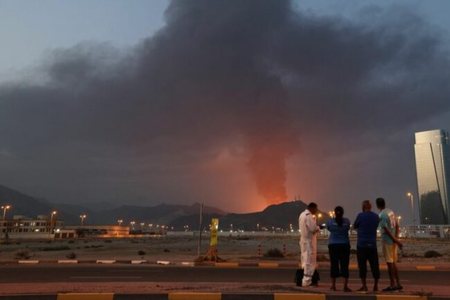
Some serious unforeseen consequences are already present. The Trump administration seems to have been surprised by the way Iran reacted across the region with the aim of putting pressure on the Gulf states and causing a major international economic crisis.
In the long term, this Götterdämmerung-style strategy may seal Iran's fate; neighbors who were willing to compromise with the regime now have an interest in its overthrow. But in the short term, it has had some success.
Iran has long threatened to close the Strait of Hormuz if attacked, so there is no reason to be surprised by this development. Trump has promised security cover and naval escorts, although it is not clear whether the US has many such assets at its disposal. For now, the ships are reluctant to move. Iranian attacks on oil and gas facilities, which have sent prices soaring, have alarmed investors, while the state’s supplies of liquefied natural gas are of particular concern.
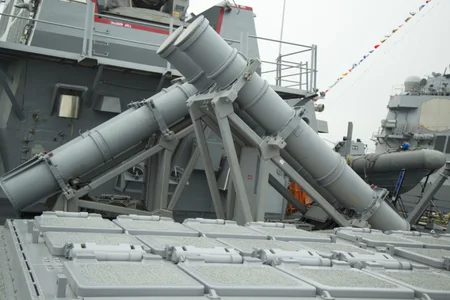
A race is on to neutralize Iranian missile launchers while there are still enough interceptor systems to deal with the missiles that might be launched. Drones are less lethal, but they are being used in greater numbers — giving Ukraine the opportunity to demonstrate its value in dealing with this threat, as a world leader in the low-cost interception of Shahed drones. Trump was still using harsh tones toward President Volodymyr Zelenskyy when this war began; he probably didn’t imagine that he might need the Ukrainian president’s help just days after it began.
The intended part of the war is going according to plan. Israel and the US quickly gained control of the airspace, enabling them to strike targets without hindrance. They have further dismantled the already declared nuclear program; eliminated the Iranian naval fleet and reduced Iran’s missile stockpile and production capacity. But the unforeseen consequences will manifest themselves mainly in the political, social and economic spheres, and will be felt for a long time./ Adapted “Pamphlet” from “ FinancialTimes ”


Lini një Përgjigje