


 Shkruar nga Pamfleti
From the wars in Iraq to the escalation with Iran, three decades of experience show that American interventions topple regimes, but often produce unforeseen consequences and long-term destabilization.
The current conflict between the United States and Iran is seen by many analysts as the third Gulf War and one of the most dangerous crises since the US became the dominant power in the Middle East after the end of the Cold War.
The destruction and chaos spreading across the region confirms the Middle East's reputation as one of the world's most unstable regions. But it also raises an important question: why do American presidents so often declare an end to interventions in the region, only to get embroiled in new conflicts?
Since World War II, the United States has attempted to overthrow a government in the Middle East on average every ten years. In most cases, the results have been negative, both for the countries involved and for the United States itself, as unintended consequences have emerged over time.
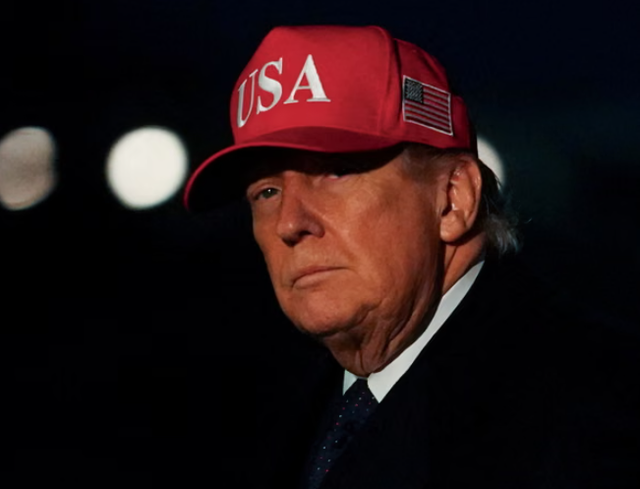
As President Donald Trump launches another regime change effort, this time in Iran, a country of about 90 million people, concerns about the consequences are high. The conflict is drawing to a close and there is a growing perception that the US president is taking a dangerous gamble with the fate of a country he knows relatively little about.
The First Gulf War
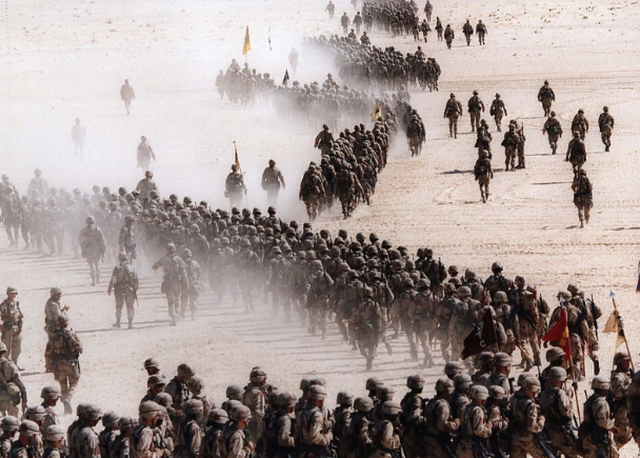
The first Gulf War (1990–1991) had at least the advantage of being relatively limited in scope and duration.

Following Saddam Hussein's invasion of Kuwait, US President George H. W. Bush assembled a broad international coalition and succeeded in expelling Iraqi forces from Kuwaiti territory. He maintained Arab support, in part by ensuring that Israel did not respond to Saddam Hussein's provocations, which were intended to draw Israel into the conflict. Bush respected the UN Security Council mandate, which authorized only the liberation of Kuwait and not the invasion of Iraq. For this reason, he decided not to pursue the Iraqi army all the way to Baghdad. The ground campaign lasted only about 100 hours. However, the war had significant political consequences.
Arab intellectual Azmi Bishara described it as a model of war where one side fights without danger and the other without hope: one side loses a few soldiers by chance, while the other side loses hundreds of thousands of people due to military power.
One of the most painful lessons for the region came from the Kurdish and Shiite rebellions in Iraq. They were encouraged by the US to rebel against Saddam Hussein's regime, but were then left without support when the regime crushed the uprisings.
Një tjetër pasojë ishte prania masive ushtarake amerikane në rajon. Rreth gjysmë milioni trupa amerikane u vendosën në Lindjen e Mesme dhe, sipas studiuesit Marc Lynch në librin “The Ruination of a Region”, ato nuk u larguan kurrë plotësisht.
Në vend të kësaj, SHBA krijoi një rrjet bazash ushtarake në Gjirin Persik, në Levant dhe në jug të Turqisë. Këto baza u bënë infrastruktura strategjike e dominimit amerikan në rajon.

Lufta e dytë e Gjirit
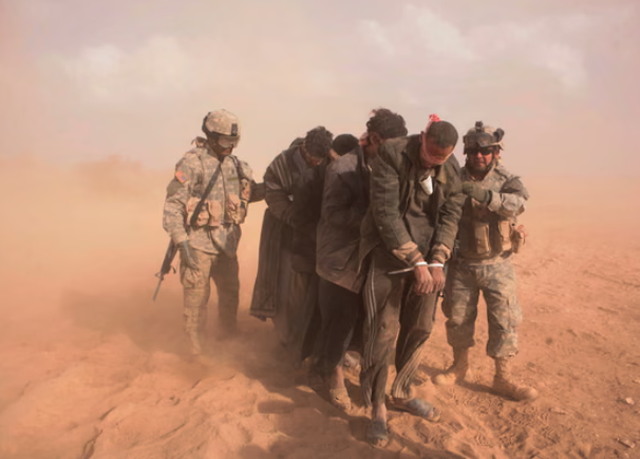
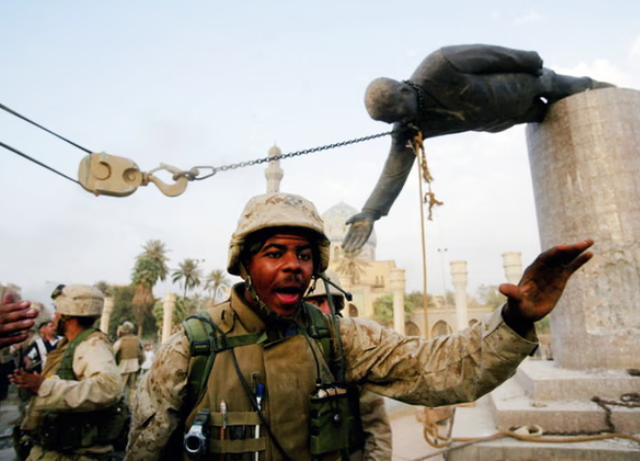
Lufta e dytë e Gjirit, e njohur si lufta e Irakut (2003–2011), filloi kur presidenti George W. Bush vendosi se Saddam Hussein duhej rrëzuar për shkak të dyshimeve se Iraku posedonte armë të shkatërrimit në masë.
SHBA kishte një objektiv të qartë lufte, por ai u bazua në një nga dështimet më të mëdha të inteligjencës në historinë moderne.
Pavarësisht nëse vendimi për luftë u bazua në një gënjeshtër apo në një keqinterpretim të informacionit, administrata amerikane hyri në konflikt pa kuptuar mjaftueshëm realitetin politik dhe shoqëror të Irakut. Optimizmi për pasojat e luftës ishte shumë i madh.
Në dëshminë para Kongresit amerikan në vitin 2003, zëvendëssekretari i mbrojtjes Paul Wolfowitz deklaroi se irakianët do t’i mirëprisnin trupat amerikane si çlirimtare dhe se rrëzimi i Saddam Husseinit nuk do të krijonte armiq të rinj për SHBA-në.
Ai gjithashtu argumentoi se Iraku nuk kishte histori konfliktesh mes milicive etnike dhe se nuk do të ishte e nevojshme një prani e madhe paqeruajtëse pas luftës.
Një nga mbështetësit e ndërhyrjes ishte edhe lideri opozitar izraelit i asaj kohe, Benjamin Netanyahu, i cili argumentoi se rrëzimi i Saddam Husseinit do të sillte ndryshime pozitive në të gjithë rajonin dhe do të dobësonte regjimin iranian. Në realitet ndodhi e kundërta: Irani e rriti ndikimin e tij në Irak dhe në rajon.

Ish-shefi i shërbimit sekret britanik MI6, John Sawers, i cili ishte përfaqësues i Britanisë në Bagdad në vitin 2003, e përshkroi situatën pas pushtimit si “kaos total”.
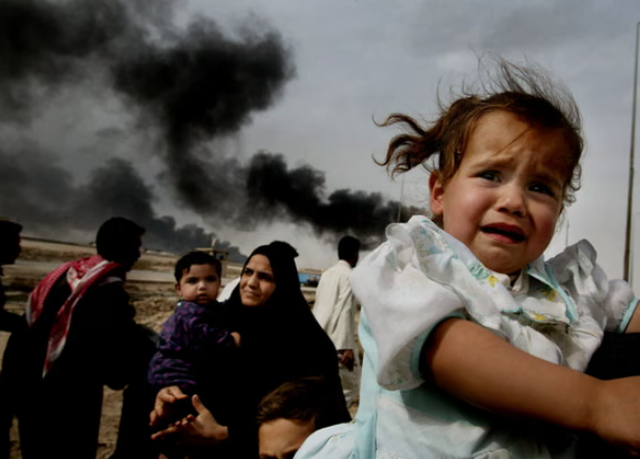
Sipas tij, nuk kishte planifikim serioz për periudhën pas luftës dhe administrata amerikane supozoi gabimisht se opozitarët irakianë në mërgim do të merrnin pushtetin dhe do të stabilizonin vendin. Rezultatet ishin dramatike. Lufta kushtoi rreth 2 trilionë dollarë, shkaktoi midis 150 mijë dhe një milion viktima, dhe kontribuoi në krijimin e organizatës terroriste ISIS.
Lufta aktuale me Iranin
Konflikti aktual me Iranin, i nisur nga administrata Trump me operacionin e quajtur “Epic Fury”, karakterizohet nga një nivel i lartë konfuzioni politik dhe strategjik. Zyrtarë të ndryshëm amerikanë kanë dhënë justifikime të ndryshme për ndërhyrjen. Sekretari i mbrojtjes Pete Hegseth ka argumentuar se regjime si Irani nuk mund të lejohen të kenë armë bërthamore.
Zyrtarë të tjerë kanë deklaruar se Irani ishte pranë zhvillimit të raketave balistike ndërkontinentale ose pranë prodhimit të materialit për armë bërthamore.
Në të njëjtën kohë, presidenti Trump ka folur hapur për mundësinë e ndryshimit të regjimit në Teheran.
One of the most controversial statements came from US Secretary of State Marco Rubio, who said that the US had information that an Israeli attack on Iran would provoke a reaction against US forces. For this reason, according to him, the US acted in advance. This statement raised the question of whether the US could have chosen another alternative: to ask Israel not to carry out the attack.

The risk of Iran's fragmentation
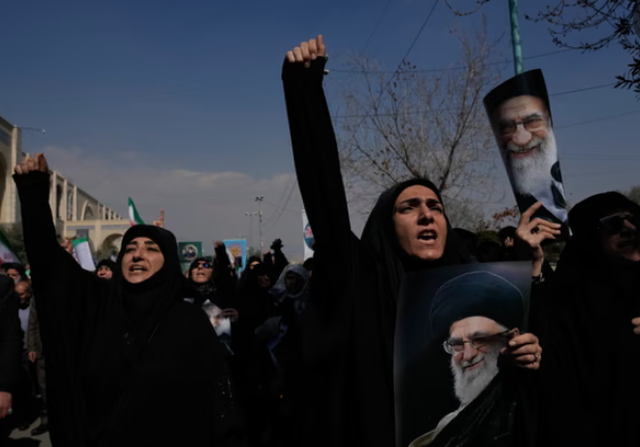
Analysts warn that the fall of the Iranian regime could create an even more dangerous situation than that of Iraq. According to John Sawers, there is a risk that the Iranian state will disintegrate and lose control over some regions, creating autonomous zones based on ethnic identity. In such a scenario, Iran could become a failed state, a breeding ground for terrorism, arms smuggling and criminal activities.
Iran has a complex ethnic structure, including Kurds, Baluchis, Ahwazi Arabs, and Azerbaijanis. Many of the country's natural resources, including oil, gas, and water resources, are located in the regions where these non-Persian communities live.

A question that remains unanswered
Although the Gulf Wars have had different circumstances, one question remains the same. During the Iraq War in 2003, US commander David Petraeus asked: “Tell me how this ends?”
According to analysis published by The Guardian, this question remains as relevant today as it was then.

If the history of American interventions in the Middle East has a common lesson, it is that overthrowing a regime is relatively easy, while building a stable order in its wake is much more difficult. / Pamphlet /


Lini një Përgjigje