


 Shkruar nga Alfred Mccoy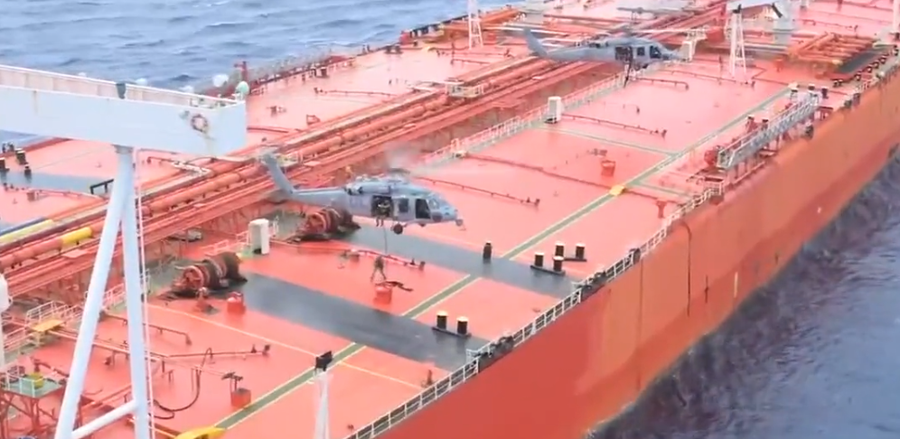
History teaches us that great powers collapse more quickly when their leaders attempt to compensate for internal decay with external aggression. If the US does not learn from these disasters, it could end up as another closed chapter in the books of global history...
The lessons of history are unforgiving about the cost that Trump’s “micro-military fiasco” is bringing to a country already in imperial decline. Writing more than 2,000 years ago, the Greek historian Plutarch gave us an eloquent description of what modern historians call “micro-militarism.”
This phenomenon occurs when an imperial power, aware of the fading of its authority, reacts emotionally by undertaking military strikes that appear courageous, but are essentially acts of desperation to restore a greatness that is slipping from its grasp.
However, instead of the victories that the empire reaped at its peak, these adventures only hasten its decline. They strip away the halo of invincibility and reveal the moral and structural rot within the ruling elite.
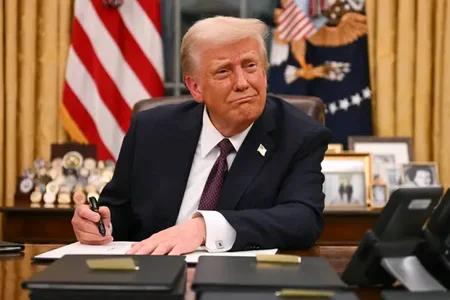
There is growing evidence that America is an empire in sharp decline, as President Donald Trump's chosen war against Iran is turning into the kind of micro-military disaster that has destroyed empires over the past 2,500 years.
At the core of these unfortunate decisions often lies a problematic leader, born into wealth and surrounded by prestige, whose personal shortcomings reflect the irrationalities of the system.
During this demoralizing spiral, imperial armies may err by engaging the country in costly adventures that are then accompanied by psychological efforts to mitigate the loss of power through the display of imposing force.
Although these interventions often choose strategically unsustainable targets, the pressures on leaders are so strong that they put the prestige of the entire nation at risk in such adventures.
The defeat of Athens in Sicily in 413 BC
Athens was a powerful empire, but weary of the constant challenge of Sparta. In the port of Piraeus, news of a disaster in distant Sicily spread like wildfire. Two years earlier, the aristocrat Nicias—a leader who used his wealth to buy popularity through spectacle—had convinced the citizens to attack Syracuse.
The goal was to cripple Sparta and restore hegemony. Instead of triumph, the fleet of 200 ships and 12,000 soldiers was annihilated. The surviving soldiers were kept as slaves in the quarries. Athens never recovered. It was the end of the Athenian golden age, brought about by a tragic overestimation of military strength in unfamiliar terrain.
Portugal's disaster in Morocco
Në vitin 1578, Portugalia ishte qendra e tregtisë globale të Oqeanit Indian. Mbreti i ri Sebastian, një udhëheqës kokëfortë dhe fanatik, e bindi elitën ta ndiqte në një kryqëzatë drejt Marokut për të goditur rivalët myslimanë. Ai besonte se një goditje e vetme do të mjaftonte për të siguruar dominimin e krishterë.
Në betejën e Alcacer Quibir, ushtria portugeze u masakrua: 8.000 të vrarë dhe 15.000 të kapur rob. Kjo humbje nuk shkatërroi vetëm ushtrinë, por edhe stabilitetin e shtetit. Pa një trashëgimtar dhe me burime të shteruara, Portugalia u gllabërua nga Spanja për 6 dekada.
Hegjemonia tregtare portugeze u zhduk, duke i lënë vendin fuqive të tjera evropiane.
Fatkeqësia e Spanjës në malet Atlas
Në vitin 1920, Madridi po përpëlitej nën peshën e humbjes së kolonive të fundit. Në një përpjekje dëshpëruese për “rigjenerim kombëtar”, Spanja tentoi të zgjeronte kontrollin në Marok. Rezultati ishte beteja e Annual, ku 12.000 ushtarë spanjollë u vranë nga rebelët berberë.
Spanja nuk u tërhoq, por dërgoi edhe 125.000 trupa të tjera, duke përdorur armë kimike në një luftë brutale. Megjithatë, kostoja financiare dhe demoralizimi i ushtrisë e shkatërruan politikën e brendshme. Kjo çoi drejtpërdrejt në diktaturën e Primo de Riveras, e më pas në tmerret e Luftës Civile Spanjolle dhe dekadave të izolimit nën regjimin e Frankos.
Fundi i Perandorisë Britanike në Suez
Në vitin 1956, Britania u përpoq të provonte se ishte ende një fuqi e dorës së parë. Kur Gamal Abdel Nasser shtetëzoi Kanalin e Suezit, kryeministri Anthony Eden, i fiksuar pas imazhit të një lidershipi të fortë, ndërmori një sulm ushtarak sekret në bashkëpunim me Francën dhe Izraelin.
Ushtarakisht, operacioni ishte i suksesshëm, por politikisht ishte një vetëvrasje. SHBA-ja
dhe FMN-ja ushtruan presion ekonomik, duke e kërcënuar monedhën britanike. Britania u detyrua të tërhiqej me turp. Kjo krizë nxori në pah faktin se Britania nuk mund të vepronte më pa lejen e Uashingtonit, duke shënuar fundin e pakthyeshëm të Perandorisë Britanike si një forcë globale autonome.
Humbja e Amerikës në Ngushticën e Hormuzit
Data 28 shkurt 2026 mund të mbetet në histori si “momenti i Suezit” për Amerikën. Pas viteve të tëra sanksionesh dhe tensionesh, Donald Trump urdhëroi sulmin ndaj Iranit.
Në fillim, teknologjia superiore amerikane shkatërroi bazat ajrore dhe qendrat e komandimit iranian.
Por suksesi ishte jetëshkurtër. Irani reagoi me një luftë asimetrike, duke mbyllur Ngushticën e Hormuzit. Çmimet e naftës u rritën në stratosferë, duke shkaktuar një recesion global të menjëhershëm. Të tmerruar nga pasojat ekonomike, aleatët evropianë dhe aziatikë u distancuan nga Uashingtoni.
Edhe nëse SHBA-ja e arrin një lloj fitoreje taktike përmes bombardimeve, ajo tashmë e ka humbur luftën për lidership global. Legjitimiteti i SHBA-së si garantues i stabilitetit botëror është thërrmuar. Në këtë boshllëk, Kina po paraqitet si një alternativë më e matur dhe e qëndrueshme.
Like Britain at Suez, America is paying an unbearable price for this micro-military adventure. When this crisis is over, it will be clear that the era of “Pax Americana” has ended, giving way to a new global order in which American power is no longer the central axis./Pamphlet from “Asia Times”
Note: Alfred W. McCoy, professor of history at the University of Wisconsin-Madison, USA.


1. It is an opinion, not a neutral assessment. McCoy is known for writing about imperial decline and U.S. global power. His argument fits his long-standing thesis. 2. The historical examples he uses are real, but the interpretation—that they form a universal pattern that applies to the U.S.—is debated among historians. 3. Other analysts disagree with the idea that the U.S. is in irreversible decline or that the Iran conflict mirrors ancient or colonial cases. Many argue that modern geopolitics, alliances, technology, and economic structures make such analogies limited. 4. The article is explicitly framed as a warning, not a neutral historical study. It uses strong language about “moral rot,” “imperial decline,” and “problematic leaders,” which signals a clear editorial stance.