


 Shkruar nga Majid Rafizadeh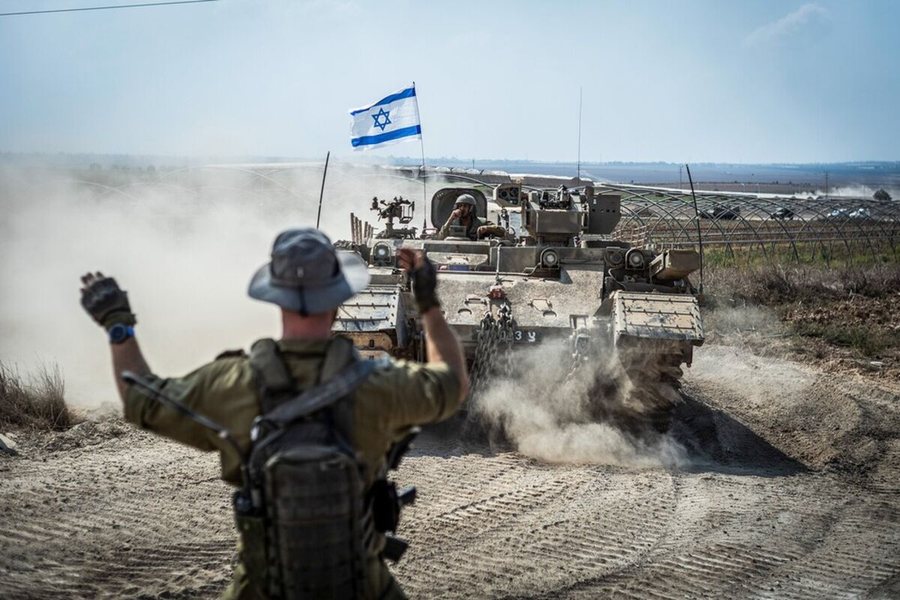
Strategically and politically, it is in neither Israel's nor Iran's interest to engage in an all-out war between them.
The shadow war between Israel and Iran continues to escalate and expand, posing serious risks not only to these two countries, but also to other nations in the Middle East. Iran's proxy, Hezbollah, and Israel have recently stepped up attacks on each other.
This included a series of Israeli attacks on Lebanese territory on Saturday night, as Tel Aviv accused the militant group of carrying out a deadly attack on a soccer field in the Israeli-occupied Golan Heights. Tehran has warned that an Israeli invasion of Lebanon would cause a "war of extermination".
Iran's mission to the UN said last month that Tehran sees Israel's warnings of military action in Lebanon as "psychological warfare", adding: "If it launches full-scale military aggression, then an annihilating war will follow." for the party that will lose".
The confrontation between Israel and Iran-backed armed groups in Iraq has also escalated significantly, with a marked increase in rocket attacks. This development naturally raises concerns about the potential for increased retaliatory actions, as well as the risk of a wider escalation of the war in the region.
In addition, tensions between Israel and the Houthi rebels in Yemen have also increased, leading to a dramatic increase in aggressive activities. Houthis carried out an attack on Tel Aviv last week, killing 1 and wounding at least 10. This attack was the first deadly of the rebels in Israeli territory.
In response, Israel bombed several areas in Yemen that it claims are linked to the Iran-backed group. Meanwhile, these tensions have also affected other countries, as the Houthis have expanded their offensive operations aimed at disrupting maritime traffic.
Since November last year, the rebels have reportedly carried out more than 60 attacks on ships sailing in the Red Sea, and have made clear threats against ships traveling to Israel. This approach has escalated tensions in the region, and caused significant disruption to commercial maritime traffic.
Increasingly, ships are no longer able to obtain guarantees from insurance companies, and are being forced to divert their journey around the African continent.
Iranian leaders are no longer hiding behind their proxies, making it clear that any escalation of attacks against their proxies will be met with a harsh response.
Udhëheqësit izraelitë, besojnë se prapa këtyre tensioneve fshihet Irani, dhe se ai synon që të rrisë ndikimin e tij tek më shumë vende të rajonit. Kryeministri Benjamin Netanyahu u shpreh kështu para Kongresit Amerikan javën e kaluar:“Teherani po zhvillon ndaj nesh një luftë me 7 fronte:Hamasi, Hezbollahu, Huthit, milicitë në Irak dhe Siri, Bregun Perëndimor dhe ato brenda vetë Iranit”.
Lufta në hije midis Iranit dhe Izraelit, çoi në një përplasje të drejtpërdrejtë ushtarake të kufizuar por shumë domethënëse midis dy vendeve disa muaj më parë. Më 1 prill, Izraeli nisi një sulm të befasishëm ndaj një kompleksi diplomatik iranian në Damask të Sirisë.
Ky sulm, shkaktoi vdekjen e disa zyrtarëve të lartë të Gardës Revolucionare Islamike, duke shënuar edhe fillimin e një përshkallëzimi serioz të armiqësive. Në shenjë hakmarrje, Irani dhe përfaqësuesit e tij sekuestruan anijen “MSC Aries” të lidhur me Izraelin, dhe filluan një seri sulmesh brenda territorit izraelit gati 2 javë pas sulmit të Tel Avivit.
Izraeli u përgjigj me veprime të mëtejshme ushtarake, duke shënjestruar disa baza në Iran, përfshirë ato në qytetin Isfahan, si dhe duke kryer sulme shtesë në Siri. Kjo sekuencë ngjarjesh, nxjerr në pah natyrën e brishtë dhe të paqëndrueshme të situatës aktuale, në të cilën veprimet e secilës palë, mund të çojnë lehtësisht në pasoja të paqëllimshme dhe potencialisht katastrofike.
Megjithatë, pas përballjes të kufizuar të drejtpërdrejtë, të dyja vendet e rifilluan luftën e tyre në hije. Por këtë herë në një shkallë shumë më të gjerë dhe më intensive. Ky konflikt ka arritur një nivel të ri, me përfshirje të shtuar të forcave si dhe me një agresion të shtuar, duke e përkeqësuar më tej paqëndrueshmërinë rajonale.
Në aspektin strategjik dhe politik, nuk është në interesin e Izraelit dhe as Iranit që të përfshihen në një luftë të plotë midis tyre. Dhe kjo për disa arsye. Së pari, Izraeli dyshon nëse ka vërtet mbështetjen e plotë të SHBA-së, pasi administrata Biden ia ka bërë të qartë se favorizon uljen e tensioneve.
Uashingtoni e dekurajoi Izraelin që t’i kundërpërgjigjej Iranit, kur ky lëshoi raketa balistike dhe dronë drejt Izraelit. Për më tepër, administrata Biden ka shumë të ngjarë të besojë se përfshirja në një luftë në Lindjen e Mesme, mund të ndikojë negativisht në shanset e demokratëve për të fituar zgjedhjet presidenciale në nëntor.
Nga ana tjetër në Teheran, qeveria po përballet me presionet e brendshme dhe ato ekonomike, përfshirë inflacionin e lartë dhe papunësinë. Pjesëmarrja e ulët e votuesve në zgjedhjet e fundit presidenciale dhe parlamentare, tregon qartë pakënaqësinë e publikut me status quo-në.
Për më tepër, duke folur në aspektin ushtarak, Izraeli besohet se posedon qindra armë bërthamore. Dhe në një luftë në shkallë të plotë, mund të konsiderohen të gjitha opsionet, të cilat nuk do të ishin në interesin më të mirë të qeverisë iraniane.
So the current strategic and political considerations do not indicate that a direct war between these two countries will start very soon. However, while both nations may prefer a shadow war to an outright conflict, tensions can spiral out of control, eventually leading to outright war.
Because not every action can be controlled or the militias involved in such a conflict, as history has shown with other conflicts that have suddenly escalated. For example, the Vietnam War began initially as a limited conflict, with US support for South Vietnam.
But it escalated into a full-scale war involving major powers, with significant regional and global consequences. While a direct full-scale war between Israel and Iran seems unlikely at the moment, when considering strategic and political factors, there is still a very high risk that escalating tensions could lead to a wider conflict.
Such a development would negatively affect other countries in the Middle East, and endanger the stability and security of the region, making it a situation that should be avoided at all costs.
Note: Dr. Majid Rafizadeh is an Iranian-American scientist who graduated from Harvard University./ Adapted "Pamphlet" from " Eurasia Review " .





Lini një Përgjigje