


 Shkruar nga Pamfleti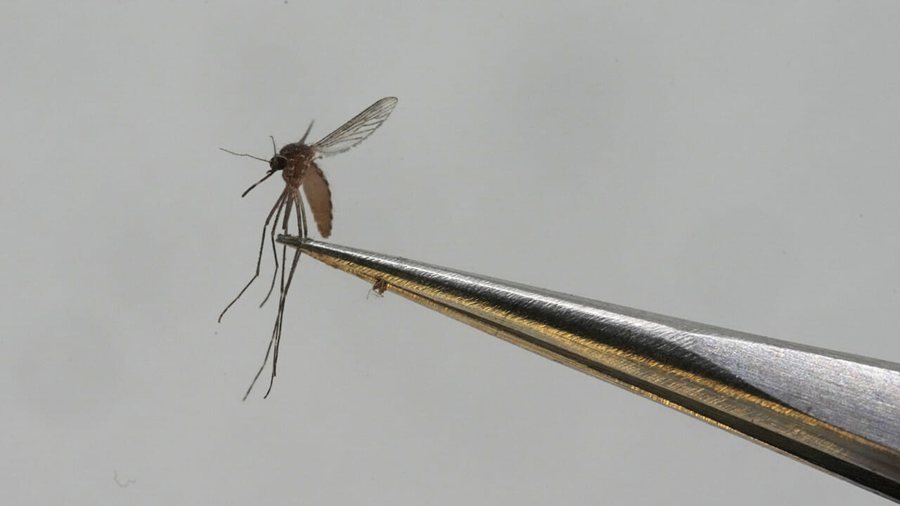
Tampons, masks, quarantine and isolation. It seems like déjà vu from the dark days of the Covid-19 outbreak, but it is actually the nightmare that the residents of Foshan, in China's Guangdong province, are experiencing due to the spread of the chikungunya virus, a painful viral disease transmitted by mosquitoes.
What is the chikungunya virus and how is it recognized?
Since July, more than 7,000 cases of chikungunya have been reported in the southern city. Patients infected with the virus, which first appeared in China in 2008, are hospitalized and can only be discharged after a negative test result or a week in the hospital. Authorities say all cases reported so far have been mild and that 95 percent of patients have been discharged from the hospital within seven days. The virus, typical of tropical areas, has become particularly widespread in China this year due to heavy rains and high temperatures that have allowed mosquitoes to breed.
The chikungunya virus is not contagious and is spread only when an infected person is bitten by a mosquito that then bites others. Once infected, the patient experiences fever, nausea, vomiting, and severe joint pain that can last for months or even years. Those most at risk are the young, the elderly, and people with underlying medical conditions. Transmitted by the Aedes mosquito, the same mosquito responsible for dengue and the Zika virus, chikungunya was first identified in southern Tanzania in the 1950s. The term comes from the Kimakonda language and means "that which bends," referring to the distorted posture that sufferers adopt due to the intense pain.
In addition to Foshan, at least 12 other cities in the southern province of Guangdong have reported cases of infection. The rapid spread is worrying the local government, with nearly 3,000 cases reported in the past week alone. One case has also been reported in neighboring Hong Kong: a 12-year-old boy who developed a fever, rash and joint pain after traveling to Foshan in July. An unknown number of cases have also been reported in neighboring Hunan province.
Local authorities have launched a massive operation to contain the spread of chikungunya to other parts of the country. To combat the virus, workers wearing masks and protective suits are spraying large amounts of insecticide in parks and streets, while drones are flying over cities to identify key mosquito breeding sites. Biological methods are being used alongside the disinfection campaign: researchers have introduced so-called "elephant mosquitoes," a species whose larvae are preyed upon by mosquitoes that carry the virus, while thousands of fish that feed on mosquito larvae have been released into city ponds.
At the entrances of buildings, health workers spray residents with mosquito repellent before they enter. Authorities have also ordered residents to remove or clean up any standing water, from flower pots to spare bottles and pet bowls, to limit the spread of mosquitoes. Those who do not comply risk fines of up to 10,000 yuan (about 1,200 euros). The measures are reminiscent of the controversial and intolerant Zero-Covid policy, which included mass testing, city-wide lockdowns, mandatory quarantines and constant monitoring of people’s movements. These measures are now being strongly condemned on Chinese social media.
The spread of the epidemic in China has raised concerns abroad. The United States has advised its citizens not to visit Guangdong Province, home to cities like Dongguan and other major commercial centers, as well as countries affected by the virus such as Bolivia and several Indian Ocean islands.








Lini një Përgjigje