


 Shkruar nga Diplomatico | Pamfleti.net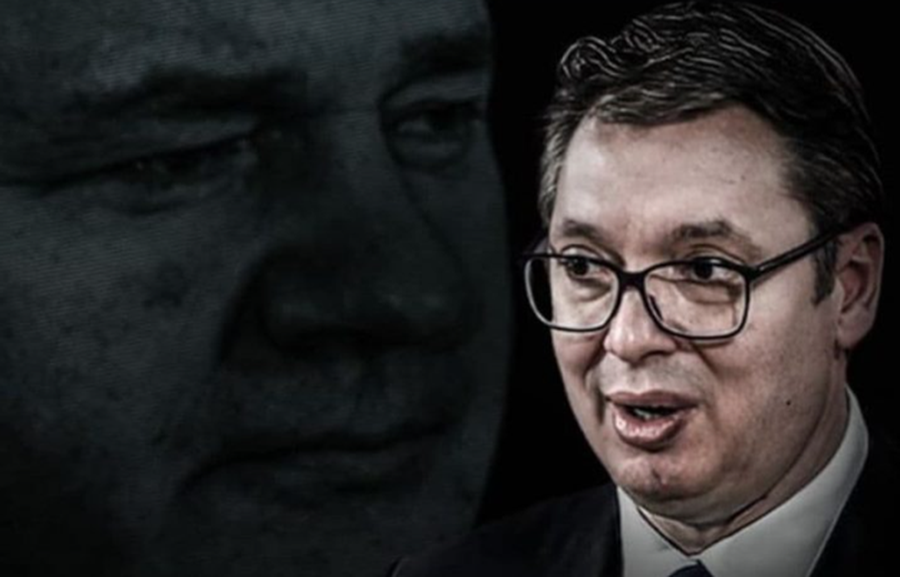
As Vučić and Dodik head towards familiar historical scenarios, Albania must choose whether to learn from their endings or continue to produce leaders who believe they are above the law and history...
The history of the Balkans has not been forgotten. It is simply on pause, closely following new developments that seem like a repeat of the 1990s, only with more advanced technology and more sophisticated propaganda. When the question arises whether Aleksandar Vučić will end up like Slobodan Milošević and Milorad Dodik like Radovan Karadžić, it is not just a historical comparison. It is a silent alarm coming from the corridors of European diplomacy and the unfinished files of The Hague.
Vučić is a master of political packaging. He no longer uses tanks like Milošević, but uses screens, contracts and endless promises. He does not openly threaten war, but gives oxygen to nationalist rhetoric whenever he needs to control the scene. And yet, even without a pure crime, it is enough to keep alive a system that fuels conflict and sabotages normalization to be registered on the same dark page of history.
Dodik no longer needs masks. He talks like Karadžić, acts like Karadžić, and now faces justice like Karadžić. Convicted by the Bosnian Court for violating the authority of the High Representative, banned from elections for six years, and with a criminal conviction in his pocket, Dodik is not leading, but groaning. And as always, the nationalists do not surrender with apologies, but with new threats.
But this is not just a matter for Serbia or Republika Srpska. This is a regional issue, because the mentality of leaders who believe that power is an inheritance and not a duty exists everywhere. Albanians should not see this as foreign theater. We are not immune.
Even in Albania, there have been and are leaders who think they can avoid the consequences, and the separation of power thanks to functional institutions is the key to avoiding criminal or historical ends.
In Albania too, we have seen politicians building their rhetoric on division, fear, and imaginary enemies. We have seen attempts to control justice, to relativize corruption, and to replace the law with loyalty.
Europe has learned a lot from the fall of former tyrants. It no longer waits for a war to break out before it acts. Diplomatic pressure is smarter, sanctions are swifter, and surveillance is stricter. Those who fail to understand this new reality risk ending up not as political figures but as shameful chapters in international relations.
Vučić may not end up in jail like Milošević, but history will judge him by the path he is following. Dodik may escape for a few months, but his path has become a path of no return. The question that remains for the region is: will others understand that there is no longer a place for leaders who see themselves as owners of the state? Because the new Europe has no place for those who have learned nothing from tyrannical ends. / Pamphlet





Lini një Përgjigje