


 Shkruar nga Pamfleti
Attacks and blockades in the Strait of Hormuz halt maritime traffic and cause severe economic consequences in the region.
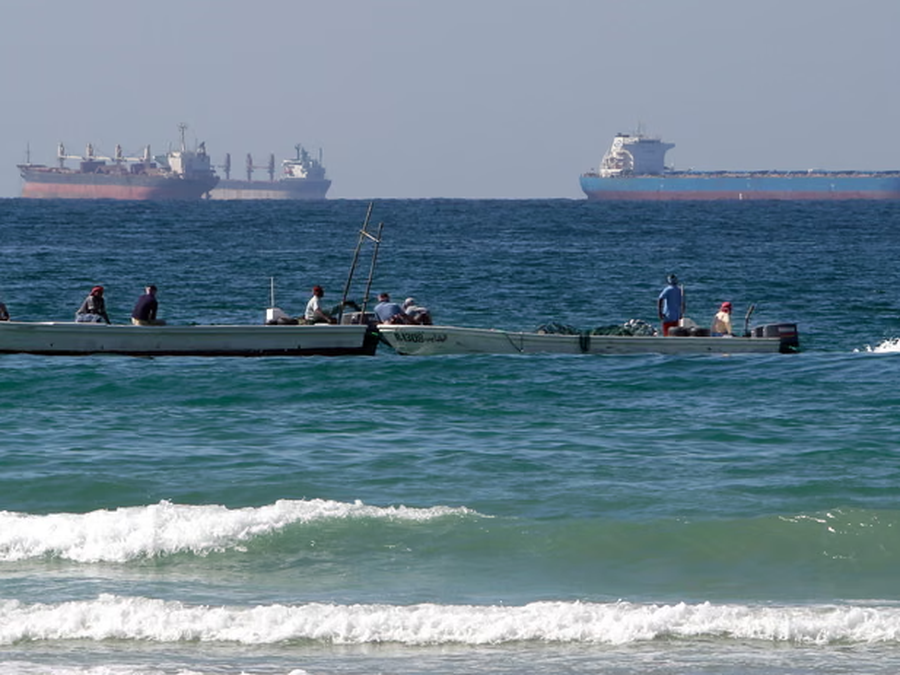
An unusual quiet has settled over the industrial port of Ras Al Khaimah. Normally a bustling maritime hub of the United Arab Emirates, ships now lie moored and silent. Not far away on the hazy horizon, hundreds of oil tankers have lined up in recent days, stranded along a waterway that has become dangerous.
Every ship leaving Ras Al Khaimah for the Arabian Sea must pass through one of the most dangerous shipping lanes today: the Strait of Hormuz. Just over 20 nautical miles from Ras Al Khaimah, two oil tankers heading into the strait were attacked this week by Iranian missiles, causing one of them to catch fire.
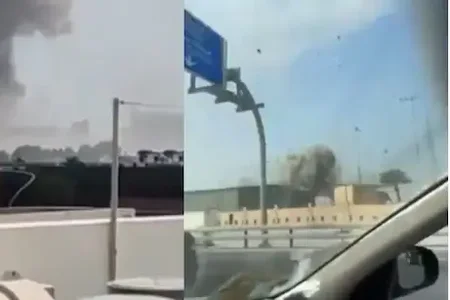
On Saturday, Fujairah - the United Arab Emirates' main oil port on the east coast - was targeted by a drone attack, with thick clouds of black smoke seen billowing from the terminal.
This is one of the many consequences that the Gulf states are facing as they become increasingly involved in a war they did not start and that they had attempted to avoid through diplomacy.
For decades, Bahrain, Kuwait, Saudi Arabia, the United Arab Emirates, Qatar, and Oman have allowed U.S. military bases, infrastructure, or access to their territory, and have been among the largest buyers of American weapons and technology. In return, the U.S. has been the Gulf's closest military partner and protector.
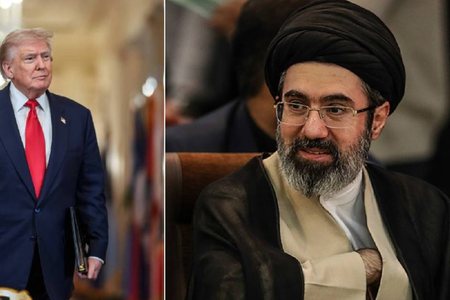
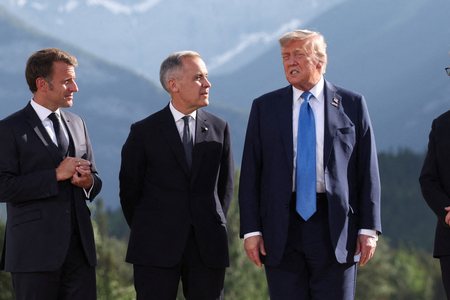
But now Gulf states have growing concerns about this relationship, analysts say, after Donald Trump was seen to have knowingly disrupted diplomatic peace negotiations in favor of starting a war in the Middle East.
“The perceived threat from Iran to the Gulf only became a reality when the US declared war – Iran did not fire first,” says Khaled Almezaini, associate professor of politics and international relations at Zayed University in Abu Dhabi. “There is strong condemnation of the Iranians, but at the same time there is also a message to the Americans and the Israelis that we need to find a way to end this. This is not our war.”
In the weeks leading up to the attacks, Gulf leaders held talks and made several appeals to the US president, stressing the dire consequences for regional security if he attacked Iran. However, Trump decided to carry out the attacks, by many accounts, without consulting or warning Gulf allies.
Ndërsa shtetet e Gjirit prisnin të përfshiheshin në pasojat e konfliktit, shkalla e fushatës së hakmarrjes së Iranit ka tronditur shumë prej tyre. Vendet e Gjirit i kishin siguruar Teheranit se bazat e tyre nuk do të përdoreshin për sulme, por kjo nuk e ka ndalur Iranin të lëshojë mijëra dronë dhe raketa drejt aeroporteve, bazave ushtarake, rafinerive të naftës, porteve, hoteleve dhe ndërtesave të zyrave.
Aviacioni në rajon mbetet shumë i kufizuar, ndërsa linjat ajrore po humbin miliarda dollarë. Bahreini përballet me një krizë ekonomike, ndërsa reputacioni i Emirateve të Bashkuara Arabe si një vend i sigurt për turizëm dhe investime perëndimore është goditur ndjeshëm. Shtetet po arrijnë të neutralizojnë shumicën e raketave dhe dronëve iranianë, por sistemet mbrojtëse dhe interceptorët po u kushtojnë vendeve si Emiratet mbi 2 miliardë dollarë.
Bllokada e dhunshme e Iranit në ngushticën e Hormuzit, kalimi i vetëm detar që lidh Gjirin me oqeanin e hapur dhe përmes të cilit transportohet rreth një e pesta e furnizimit global me energji ka sjellë një rënie të ndjeshme të eksporteve të naftës dhe gazit që financojnë ekonomitë e Gjirit. Ekspertët vlerësojnë se humbjet nga eksportet e naftës arrijnë nga 700 milionë deri në 1.2 miliardë dollarë në ditë.
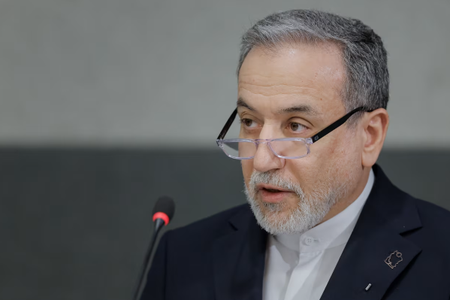
“Emiratet e Bashkuara Arabe dhe GCC [Këshilli i Bashkëpunimit të Gjirit] u përpoqën ta ndalonin SHBA-në të shpallte këtë luftë sepse e dinin se çfarë pasojash do të sillte,” thotë Almezaini. Ai kujton paralajmërimet e ministrit të Jashtëm të Iranit disa muaj më parë për mbylljen e ngushticës së Hormuzit.
“Tani pikërisht ai skenar po ndodh.”
Asimetria e partneritetit ushtarak të Gjirit me SHBA nuk ka qenë kurrë më e dukshme, thotë Allison Minor, drejtoreshë e projektit për integrimin e Lindjes së Mesme në Atlantic Council. Vetëm në shtator, Izraeli kreu sulme ajrore ndaj Katarit, një tjetër aleat i SHBA-së në Gjirin Persik, pa shkaktuar një reagim të rëndësishëm nga Uashingtoni.
“Pyetja më themelore lidhet me konsultimin,” thotë ajo.
“A po arrijnë shtetet e Gjirit vërtet atë lloj partneriteti dhe mbështetjeje sigurie që e konsiderojnë të nevojshme nëse Shtetet e Bashkuara angazhohen ushtarakisht në rajon?”
Të enjten, ministri i Jashtëm i Omanit, Badr bin Hamad al Busaidi, i cili kishte ndërmjetësuar në bisedimet e mëparshme SHBA–Iran, bëri disa nga deklaratat më të forta deri tani për konfliktin.
“Qëndrimi i Omanit është se sulmet ushtarake ndaj Iranit nga Shtetet e Bashkuara dhe Izraeli janë të paligjshme dhe se për sa kohë ato vazhdojnë, shtetet që e nisën këtë luftë janë në shkelje të së drejtës ndërkombëtare,” tha ai.
Al Busaidi shtoi se vendimi i SHBA për të goditur Iranin ndërsa negociatat paqësore për programin bërthamor të Teheranit po përparonin tregon se konflikti synon të riformësojë Lindjen e Mesme në favor të Izraelit.
Analysts point out that many Gulf states are in a difficult position: they are trying to reduce war tensions, but at the same time demand that the US end operations in Iran, so that they are not left facing a worse-case scenario - a weakened, wounded and unstable Islamic republic near their borders.
“This is the Gulf’s biggest nightmare,” says Sanam Vakil, director of the Middle East and North Africa program at Chatham House. “There is deep anger and frustration with the United States because this is not their war, and yet they are bearing the brunt.”
Vakil says the Gulf states had long sought a security partnership with the US similar to the one Israel enjoys, but have now realised that "this may never happen".
However, even though there is a growing need to diversify security partners, she adds that the Gulf currently has no other alternative for ultimate protection.
“The Gulf will not move quickly, nor can it, to find alternatives to the US. But it will also not blindly rely on an unreliable partner,” she says. “It is likely that the Gulf countries will move towards strategic autonomy, a process that had already begun, but perhaps at a faster pace.”
Beyond the geopolitical consequences, the economic effects are also being felt in everyday life. Standing next to the boat and jet ski rental company where he works at the marina near the port of Ras Al Khaimah, 27-year-old Sumon says business has been paralyzed because the coast guard is not allowing vessels to go out to sea.
“For many days, our boats and jet skis are not allowed to go out to sea because of all these problems and fighting with Iran at sea,” he says. “It’s really bad, we have no customers and my boss can’t pay me.”
Sumon points towards the port opposite: “No ships are moving anymore. Nobody knows when this will end.”/ Adapted from The Gaurdian


Lini një Përgjigje