


 Shkruar nga Pamfleti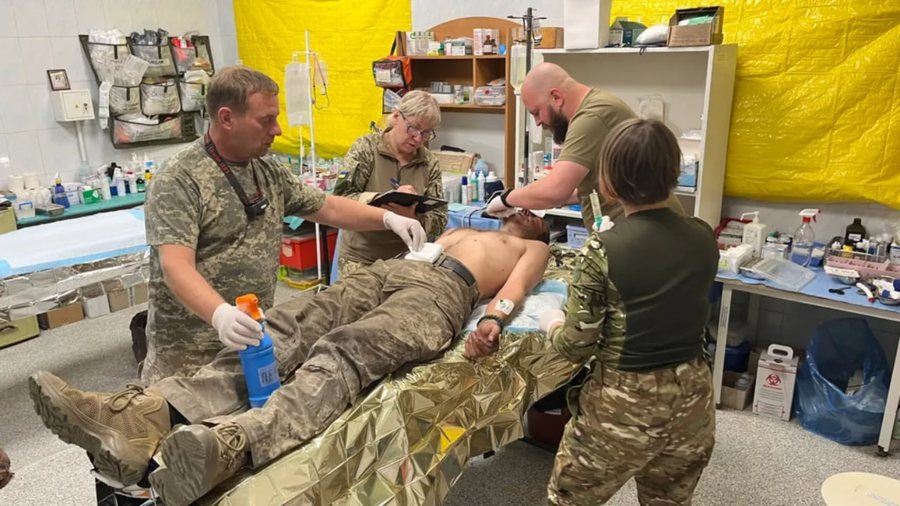
Oleksandr, head of a medical unit for the Ukrainian army's 25th Brigade, told the BBC he was on the most dangerous frontline of all, near Pokrovsk, a small mining town about 60km north-west of the capital. regional, Donetsk.
" The Russian Federation is fighting hard. We have not been able to stabilize the front. Whenever the front line moves, we move too" , he says from the first point of treatment for wounded soldiers, in an improvised unit.
Doctors say they have recently treated 50 soldiers in one day, a figure rarely seen before during this war. The wounded are sent to this secret unit after dusk, when there is less chance of being attacked by armed Russian drones.
Ukrainian troops are wounded in the fierce battle to defend Pokrovsk. Just months ago, this was considered a safe place, home to around 60,000 people and the streets lined with restaurants, cafes and markets. Soldiers often came from the front line to the city to rest.
Now, it feels like a ghost town. More than three quarters of the population have left.
Since Russia captured the city of Avdiivka in February, they have made rapid advances in the Donetsk region. In early October, Russia captured the key town of Vuhledar, while Ukrainian soldiers admit that the fighting around Pokrovsk is fiercer, leading to the highest number of Russian attacks.
Last week, Kiev claimed that in total the Armed Forces of Ukraine had repulsed about 150 attacks in several days in the past two weeks.
As BBC journalists are on the ground, six miles from the front, they meet army doctor Tania, who holds the arm of Serhii, a wounded soldier, saying his condition is serious.
Serhii has bullet wounds in one eye, skull and brain. Doctors quickly clean the wounds and inject antibiotics. Five more soldiers arrive shortly after him. The barrage of fire can be so fierce and sudden that their wounds may have been caused by mortars or explosives dropped by drones.
" It's dangerous here. It's hard, mentally and physically. We are all tired, but we are making it ," says Yuriy, the commander of all medical units of the brigade.
All the soldiers are wounded at different times of the morning, but they only get there after nightfall, when it's safer. Such delays can increase the risk of death.
Një ushtar tjetër, Taras, ka lidhur një copë rreth krahut të tij për të ndaluar gjakderdhjen nga një plagë, por tani – më shumë se 10 orë më vonë – krahu i tij duket i fryrë dhe i zbehtë dhe ai nuk mund ta ndjejë atë.
Në 24 orët e fundit dy ushtarë janë sjellë të vdekur.
Ajo që shohim në njësinë në terren tregon egërsinë e betejës për Pokrovsk – një qendër e rëndësishme transporti. Lidhja hekurudhore që kalon është përdorur rregullisht për të evakuuar civilët nga qytetet e vijës së parë në pjesë më të sigurta të Ukrainës dhe për të lëvizur furnizimet për ushtrinë.
Kërcënimi i dronëve rusë është gjithmonë i pranishëm. Dritaret e ndërtesës janë të mbyllura, kështu që dronët nuk mund të shikojnë brenda, por në momentin që dikush del nga dera, ata rrezikohen të goditen.
Dronët janë gjithashtu një kërcënim për qytetarët e mbetur të Pokrovsk.
“Ne i dëgjojmë vazhdimisht duke gumëzhitur – ata ndalojnë dhe shikojnë brenda dritareve,” thotë një nga banorët e mbetur nga lufta. Por edhe ajo tani ka pranuar të evakuohet nga shtëpia e saj, në skajin lindor të rrezikshëm të qytetit. Ajo është e befasuar nga sa shpejt vija e frontit ka lëvizur në perëndim drejt Pokrovsk.
“Gjithçka ndodhi kaq shpejt. Kush e di se çfarë do të ndodhë këtu më pas. Po më humbasin nervat. Kam sulme paniku. Kam frikë nga netët.”
Ajo thotë se nuk ka para dhe do t’i duhet të fillojë jetën e saj nga e para diku tjetër, por është shumë e frikshme të qëndrosh këtu tani.
“Unë dua që lufta të përfundojë. Duhet të ketë negociata. Gjithsesi nuk ka mbetur asgjë në tokat e marra nga Rusia. Gjithçka është shkatërruar dhe të gjithë njerëzit kanë ikur”, thotë ajo.
Shumica e Pokrovsk tani është pa energji dhe ujë. Në një shkollë, ka një radhë njerëzish që presin të përdorin një rubinet të përbashkët. Ata thonë se pak ditë më parë punonin katër çezma, por tani janë vetëm një.
Duke ecur nëpër rrugë, pasojat e shkatërrimit janë të dukshëm, por qyteti ende nuk është bombarduar si të tjerët për të cilët janë luftuar ashpër.
Një banore tjetër, Larysa, 69-vjeç, shihet duke blerë thasë me patate në një nga një nga tendat ushqimore ende të hapura në tregun qendror.
“Jam e tmerruar. Nuk mund të jetoj pa qetësues”, thotë ajo. Me pensionin e saj të vogël, ajo nuk mendon se do të ishte në gjendje të përballonte qiranë diku tjetër. “Qeveria mund të më çojë diku dhe të më strehojë për një kohë. Por çfarë pas kësaj?”
Një tjetër blerës, Raisa 77-vjeçare, thotë se “Nuk mund të shkosh askund pa para. Kështu që ne thjesht ulemi në shtëpinë tonë dhe shpresojmë që kjo të marrë fund.”
Larysa mendon se është koha për të negociuar me Rusinë – një ndjenjë që mund të ketë qenë e paimagjinueshme për shumicën në Ukrainë disa kohë më parë. “Shumë nga djemtë tanë po vdesin, aq shumë janë plagosur. Ata po sakrifikojnë jetën e tyre dhe kjo po vazhdon e vazhdon”, thotë ajo.
80-year-old Nadia says "Cursed this war! I'm going to die," she laments. “Why does [President] Putin want more land? Doesn't he have enough? He has killed so many people.”
Nadija can't walk. She dragged herself around her house, relying on the help of neighbors. Only a handful of them have stayed behind, but under the constant threat of bombing, she has decided to leave even though she does not know where she will go.
But there are those who are still not leaving the city. Among them there are locals who work to repair the infrastructure damaged by the war.
"I live on one of the streets closest to the front line. Everything is burnt around my house. My neighbors died after their house was shelled,” Vitaliy tells us, as he and his colleagues try to fix the power lines.
"But I don't think it's right to abandon our men. We must fight until we have victory and Russia is punished for its crimes".
At dawn one morning, the BBC team travels to the battlefield outside the city. "We drive at breakneck speed in order to protect ourselves from Russian drone attacks," the journalists say.




Lini një Përgjigje