


 Shkruar nga Pamfleti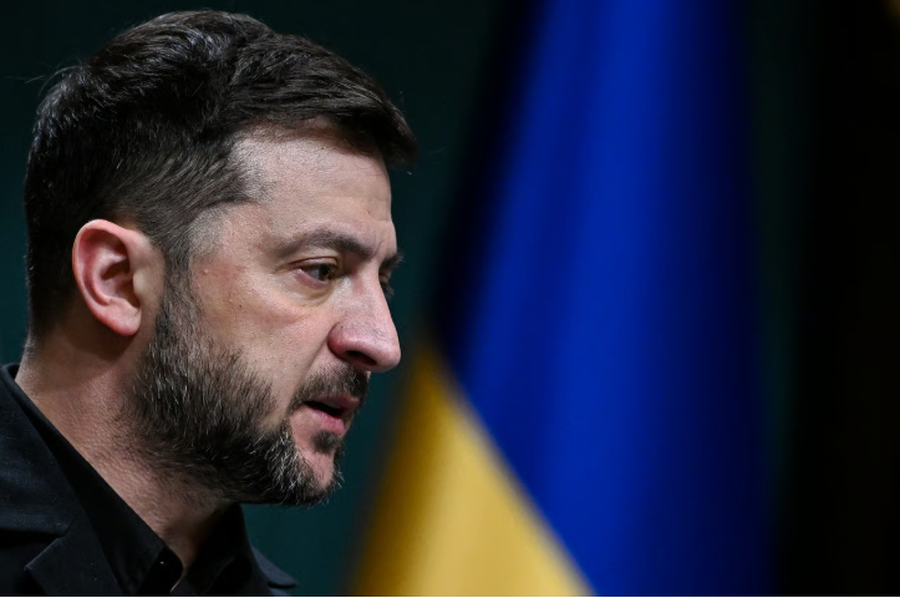
Despite celebrations for “good progress” in the Geneva talks, European countries are still too weak or too timid to bail out Ukraine, even with a loan from frozen Russian assets…
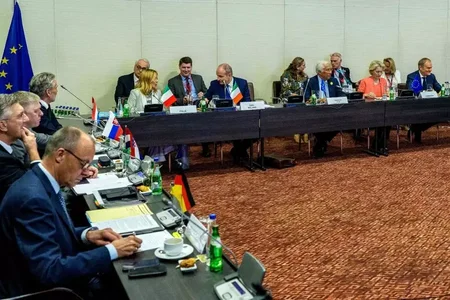
European officials congratulated themselves after talks in Geneva at the weekend showed that Donald Trump will listen to their concerns about forcing a bad peace deal on Ukraine.
"While work remains to be done, there is now a strong basis for moving forward," said European Commission President Ursula von der Leyen, as she welcomed the "good progress" that came as a result of "a strong European presence" in the talks.
It was certainly “progress” that top advisers from the EU and the UK were invited to join Sunday’s meeting in Switzerland, after they were excluded from America’s original 28-point plan, which they considered so one-sided that it would encourage Russia to launch further attacks.
But the celebrations soon became reality.
On Monday, the Kremlin rejected Europe's counterproposal to end the war, with a senior foreign policy adviser to Russian President Vladimir Putin saying it "does not sit well with us constructively at all."
Ukrainian President Volodymyr Zelensky said Monday evening that US and Ukrainian officials had agreed on a shortened text that included some of Kiev's concerns, although "sensitive" issues remained to be discussed with Trump.
US Army Secretary Dan Driscoll will meet with Russian officials in Abu Dhabi on Tuesday to discuss the peace framework, according to a senior US official.
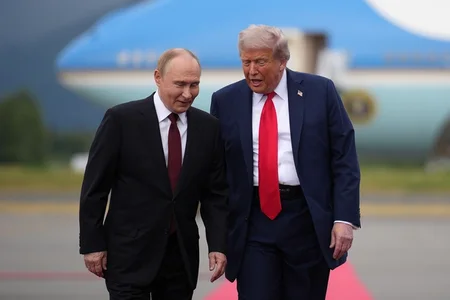
The danger for Ukraine now is that Putin will drag the US president back to his original position: a 28-point ceasefire agreement that caused a rift among officials in Brussels because it would force Kiev to cede large swaths of land to Moscow, abandon hopes of ever joining NATO, and reduce the size of its army to 600,000 troops from nearly 1 million.
If this happens, Zelensky will face a miserable choice: either accept the offer prepared by Trump and Putin, or risk his country's future in the hope that he will one day receive sufficient help from his European friends.
These are the same friends who, after nearly 4 years of war, will not send him their troops, or the weapons he wants, or even raid Russia's frozen assets from their banks to help him buy his own supplies.
Unwilling to fight
Për disa republikanë amerikanë, evropianët që kundërshtojnë marrëveshjen e Trump dhe kompromiset që do të kërkojë ajo, po e mashtrojnë veten. “Cila është alternativa?” pyeti Greg Swenson, kryetar i Republikanëve Jashtë Vendit në Mbretërinë e Bashkuar, për Politico-n.
“Mund të flasësh mirë, mund të marrësh pjesë në të gjitha këto takime diplomatike dhe mund të dërgosh të gjithë njerëzit e tu më të mirë në Gjenevë, por e vetmja mënyrë për ta mposhtur Putinin është të luftosh, dhe asnjëri prej tyre nuk është i gatshëm ta bëjë këtë”, tha Swenson.
“Pra, të gjitha janë fjalë. Gjithçka tingëllon shkëlqyeshëm kur flet për demokracinë dhe mbrojtjen e Ukrainës, por ata thjesht nuk janë të gatshëm ta bëjnë këtë.”
Politikanët dhe zyrtarët evropianë nuk do të ishin dakord, duke treguar shumat e mëdha të parave dhe armëve që qeveritë e tyre i kanë dërguar Kievit që nga fillimi i luftës gati 4 vjet më parë, si dhe sfidën ekonomike të shkurtimit të tregtisë ruse, veçanërisht të lëndëve djegëse fosile të importuara.
Që kur SHBA-të tërhoqën mbështetjen e tyre, Evropa ka ndërmarrë hapa të dukshëm për të mbushur boshllëkun.
Por në të vërtetë, propozimi fillestar i Trump futi në panik zyrtarët dhe diplomatët në Bruksel dhe më gjerë, sepse ata e dinin se Zelensky nuk mund të mbështetej te Europa për të bërë mjaftueshëm për të ndihmuar Ukrainën e vetme.
Një muaj më parë, udhëheqësit e BE-së u paraqitën në një samit në Bruksel, duke parashikuar me optimizëm se do të siguronin një marrëveshje historike për përdorimin e 140 miliardë eurove në asete të ngrira ruse si një “kredi dëmshpërblimi” për ta vendosur Kievin në një bazë të sigurt financiare për të paktën dy vitet e ardhshme.
Por në një gabim të madh diplomatik dhe politik, plani është shkatërruar për shkak të kundërshtimeve të papritura nga Belgjika.
Asnjë përparim me asetet
Bisedimet po intensifikohen tani midis zyrtarëve në Komisionin Evropian dhe qeverive të BE-së, veçanërisht atyre belge, por ende nuk ka pasur ndonjë përparim, sipas shumë zyrtarëve të cilëve u është dhënë anonimiteti, si të tjerë, për të folur sinqerisht për çështje të ndjeshme.
Disa diplomatë shpresojnë se presioni nga Trump do ta detyrojë Belgjikën dhe ato vende të tjera të BE-së që kanë rezerva ndaj planit të aseteve të ngrira ta pranojnë. Një ide që nuk është përjashtuar është përdorimi i disa prej aseteve së bashku me obligacione të përbashkëta të BE-së ose kontribute financiare potencialisht të drejtpërdrejta nga qeveritë e BE-së, thanë zyrtarët.
Por disa diplomatë të BE-së kanë frikë se e gjithë ideja e një kredie dëmshpërblimi për Ukrainën duke përdorur asetet e ngrira do të shkatërrohet nëse plani përfundimtar i paqes përmban një referencë për përdorimin e të njëjtave fonde.
The initial plan suggested using the assets in an investment in Ukraine, with half of the proceeds going to the US, a concept that Europeans dismissed as “scandalous.” However, once sanctions on Russia are lifted, Euroclear, the Belgium-based financial depository that holds the blocked assets, could end up having to return the money to Moscow.
This could leave EU taxpayers forced to repay the money, a scenario that is likely to weigh heavily on EU governments as they consider whether to back the loan idea in the coming weeks.
Then there’s the issue of peacekeeping. Earlier this year, French President Emmanuel Macron and British Prime Minister Keir Starmer led efforts to rally support for an international peacekeeping force from volunteer countries that would form a “coalition of the willing.” A year ago, Macron even floated the idea of a “field army” before the conflict ended.
He doesn't talk like that anymore.
In a sign of how difficult any talk of sending troops to Ukraine would be in France, a fiery appeal last week by France’s new top general, Fabien Mandon, to mayors to prepare citizens for a possible war with Russia caused an uproar and was condemned by the main political parties. Mandon had warned that if France “is not prepared to accept the loss of its children, to suffer economically because priority will be given to defense production, then we are in danger.”
Macron tried to defuse the controversy and said Mandon's words had been taken out of context.
In Germany, Foreign Minister Johann Wadephul said that Berlin was "already making a special contribution to the eastern flank" by stationing a combat-ready brigade in Lithuania.
"The entire Baltic region is a key area in which the Bundeswehr will focus. I think this is also sufficient and far-reaching support for Ukraine," he said.
Ukrainians would have liked a deeper commitment on their own soil, but Western Europeans are wary of incurring heavy casualties by sending soldiers to the front lines.
“At least Trump is honest about it,” Swenson said. “We could defeat Russia. We would defeat it, I think, quickly, assuming there were no nuclear weapons.” /Adapted from Politico/





Lini një Përgjigje