


 Shkruar nga Pamfleti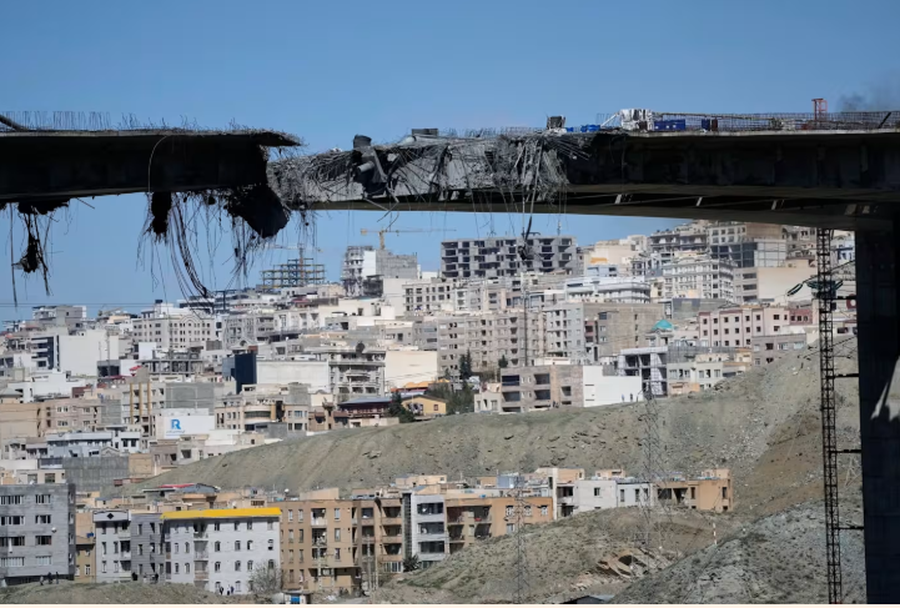
Former Iranian Foreign Minister Mohammad Javad Zarif presents a detailed framework for ending the conflict and easing sanctions
The former Iranian foreign minister has proposed a “comprehensive peace” plan to end the US and Israeli war on Iran, in which Tehran would accept strict restrictions on its nuclear program and reopen the Strait of Hormuz in exchange for sanctions relief and compensation.
Mohammad Javad Zarif, who served as Iran's top diplomat from 2013 to 2021, also stated that the US and Iran should agree to a non-aggression pact and initiate "economic interactions," including inviting US companies to invest in the Iranian oil sector.
This is the first time a senior regime figure has presented such a detailed proposal on what Tehran might accept as part of a deal to end the conflict and what it could offer the US since the outbreak of the war five weeks ago.
Former President Hassan Rouhani this week called on Iranian authorities to find an "honorable" end to the war, arguing that it is "the realization of Israel's dream of drawing the US and the West into a war with Iran."
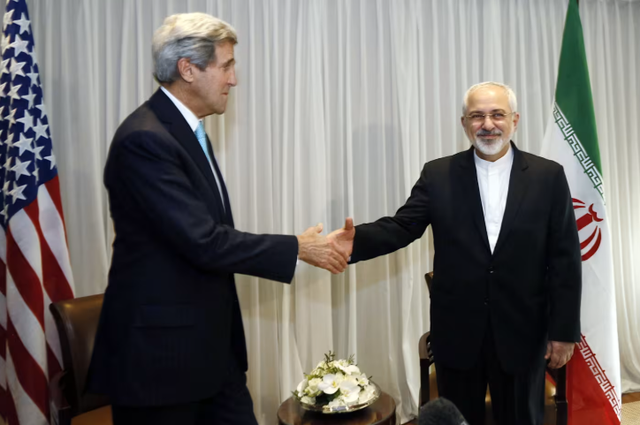
Zarif — who, along with Rouhani, negotiated the 2015 nuclear deal with the Obama administration and other world powers — currently holds no official role and has been on the fringes of power for the past five years. He belongs to the reformist camp, which has been marginalized within the ruling establishment.
Since the start of the war, hardline factions, particularly the Islamic Revolutionary Guard Corps, have tightened their grip on power, according to analysts.
A source close to the regime said Zarif was expressing his personal views and that the direction of the war would be determined by the military leadership. Some hard-liners criticized the former diplomat for proposing the peace plan.
“Diplomacy with Trump makes no sense,” the source said. However, he suggested that Tehran could engage with European governments, adding that “they could give the European Union a mandate to negotiate with Iran on behalf of European and Gulf states.”
Writing in the journal Foreign Affairs, Zarif reiterated the Islamic regime's claim that Iran is "winning" the war, despite heavy bombing by the US and Israel.
He said some Iranians want to "continue the war until the aggressors are properly punished, rather than seeking a negotiated solution."
Por ai theksoi se, ndonëse vazhdimi i luftës “mund të jetë psikologjikisht i kënaqshëm, do të çojë vetëm në shkatërrim të mëtejshëm të jetëve civile dhe infrastrukturës”.
Udhëheqësit iranianë kanë deklaruar vazhdimisht se nuk do ta përfundojnë konfliktin me një armëpushim, një qëndrim që e përsërit edhe Zarif, dhe kërkojnë një marrëveshje gjithëpërfshirëse që i jep fund luftës dhe garanton se SHBA dhe Izraeli nuk do të rifillojnë sulmet.
Ata kanë deklaruar gjithashtu se Teherani do të kërkojë kompensim për dëmet e luftës.
Gjatë dy javëve të fundit, presidenti Donald Trump ka deklaruar se Uashingtoni dhe Teherani janë afër një marrëveshjeje, pasi SHBA i ka paraqitur Iranit një plan me 15 pika për t’i dhënë fund konfliktit.
Irani është përgjigjur me propozimet e veta, ndërsa diplomatët thonë se të dyja palët kanë paraqitur kushte maksimaliste.
Teherani ka mohuar ekzistencën e negociatave formale, por ministri i Jashtëm iranian Abbas Araghchi deklaroi këtë javë se ka komunikuar me të dërguarin amerikan Steve Witkoff. Mesazhe po shkëmbehen gjithashtu përmes ndërmjetësve.
Megjithatë, Trump paralajmëroi këtë javë se SHBA do ta përshkallëzojë konfliktin, duke thënë se do ta godasë Iranin “jashtëzakonisht fort në dy deri në tre javët e ardhshme” dhe “do ta kthejë në Epokën e Gurit”.
Ai ka deklaruar se synon të parandalojë Iranin të sigurojë armë bërthamore dhe kërkon që vendi të heqë dorë nga aftësia për të pasuruar uranium. Teherani mohon se synon të prodhojë armë, por këmbëngul se ka të drejtë për pasurim si nënshkrues i Traktatit për Mospërhapjen e Armëve Bërthamore.
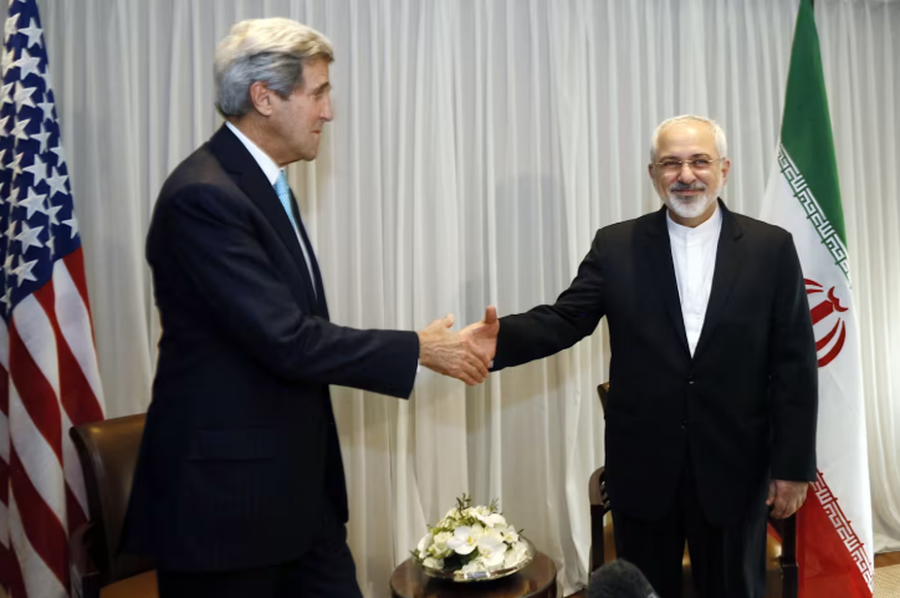
Zarif tha se Irani mund të angazhohet që të mos kërkojë kurrë armë bërthamore dhe të ulë rezervat e uraniumit të pasuruar nën nivelin 3.67 për qind, siç ishte parashikuar në marrëveshjen e vitit 2015, nga e cila Trump u tërhoq gjatë mandatit të tij të parë.
Në këmbim, SHBA duhet të heqë njëkohësisht të gjitha sanksionet, ndërsa Irani do të vendoste “të gjitha objektet e tij bërthamore nën monitorim të përhershëm ndërkombëtar”.
SHBA dhe Irani po zhvillonin bisedime për programin bërthamor disa ditë përpara se Trump dhe Netanyahu të nisnin luftën.
Zarif tha se për të nisur procesin e paqes, të gjitha palët duhet të bien dakord për ndalimin e luftimeve dhe të ndërmarrin hapa reciprokë.
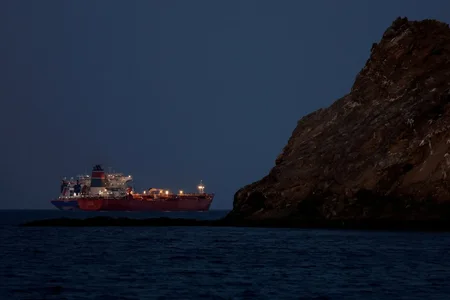
“Irani, në bashkëpunim me Omanin, do të duhet të sigurojë kalimin e sigurt të anijeve tregtare përmes Ngushticës së Hormuzit.
“Por zyrtarët amerikanë duhet të lejojnë që Ngushtica e Hormuzit të jetë e hapur edhe për Iranin”, tha ai, duke iu referuar lejimit të tregtisë së lirë për republikën islamike.
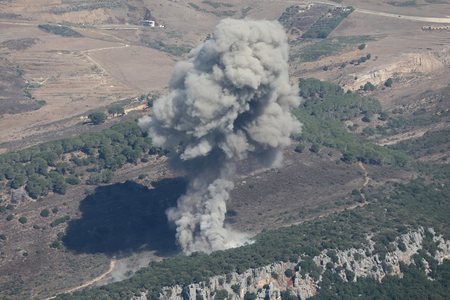
Sulmet iraniane kanë ngadalësuar ndjeshëm trafikun në këtë ngushticë, përmes së cilës kalon rreth një e pesta e naftës dhe gazit në botë, dhe kanë goditur objekte energjetike në gjithë rajonin e Gjirit.
Zarif did not mention accepting restrictions on Iran's missile program or support for regional militant groups, issues that Gulf countries, which have borne the brunt of the attacks, would seek to include in any deal.
He said opposition to negotiations in Iran was "understandable" and any diplomatic effort faced major challenges. However, Zarif stressed that the Islamic republic "would ultimately be in a better position to end the war sooner rather than later."
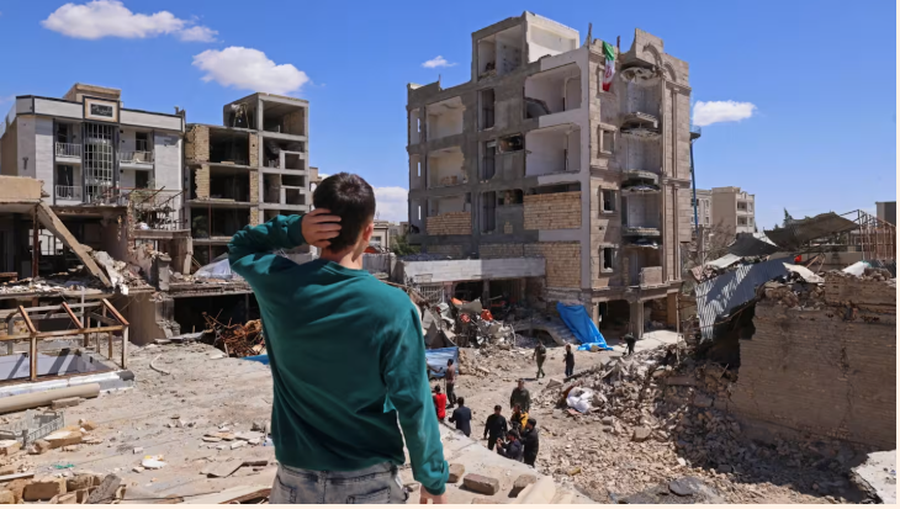
"Prolonged hostilities will bring greater losses of precious lives and irreplaceable resources, without actually changing the existing stalemate, especially as the US and Israel continue to strike Iranian infrastructure."
"If the United States withdraws before the parties reach an agreement, Iran will not be able to fully benefit from the results of its resistance to Washington's aggression," he said. /Adapted from Pamphlet /




Lini një Përgjigje