


 Shkruar nga Pamfleti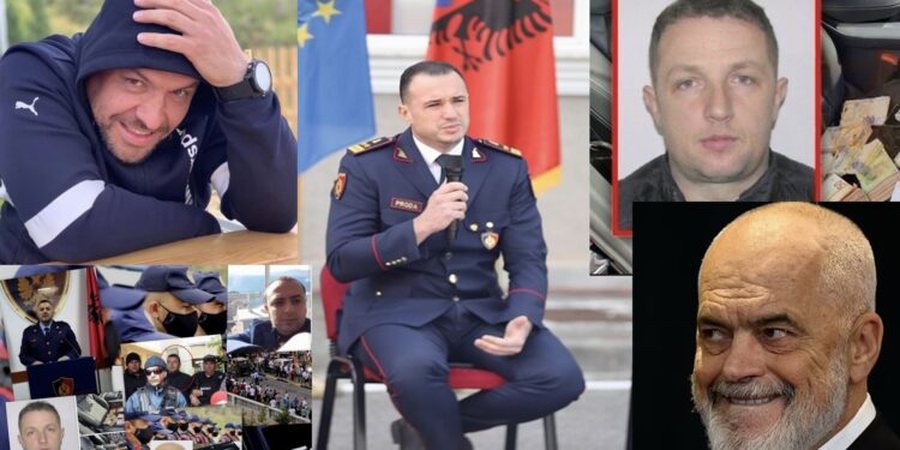
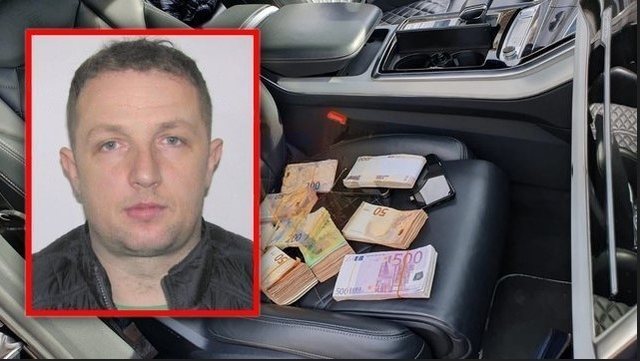
Anti-terrorist officer Igli Haxhia was arrested inside the Security Academy, in an operation synchronized with SPAK and according to information received from Italy. He is the latest police officer to be arrested after it emerged that he had been recruited by an international drug trafficking group.
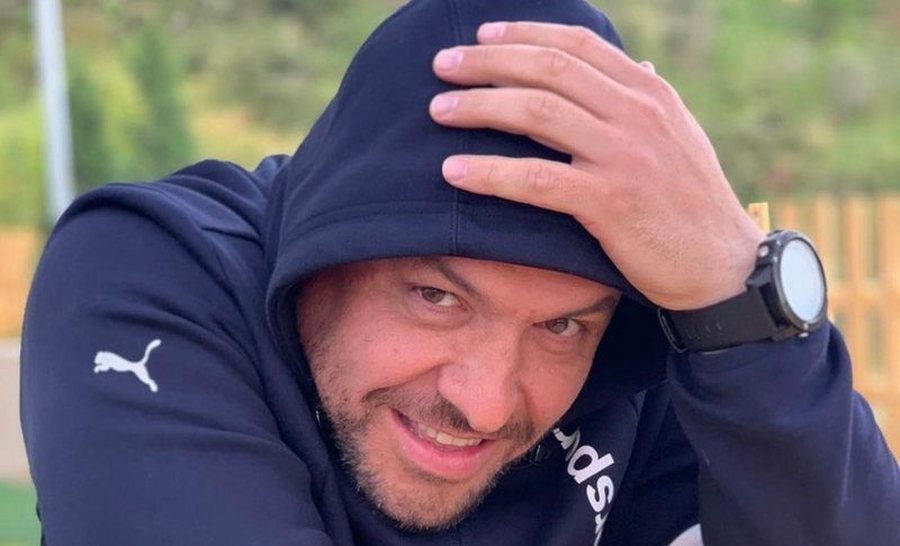
From the Italian wiretaps, it turns out that while serving in the Special Operational Force, Haxhia betrayed his duty by going over to the side of crime; from an operative of the Operational Force to a source of information for the gang, which was today hit in collaboration with the Brescia Anti-Mafia and the Swiss authorities.
Joint investigations show that the Operational Officer leaked the investigative secret about the suspects. According to SPAK, Igli Haxhia received money in exchange for information while turning a blind eye to some of his duties in the service of drug traffickers.
Haxhia's case is directly linked to a major anti-drug operation, where a structured criminal group based in Albanian territory is suspected of having imported over 1,300 kilograms of cocaine from South America to Northern Europe, to then enter Italy with heavy-duty vehicles. In this mechanism, the role of a police officer who has access to information, investigative actions and classified acts is invaluable for criminals. But the recruitment of a police officer by gangs has long been no longer news in Albania.
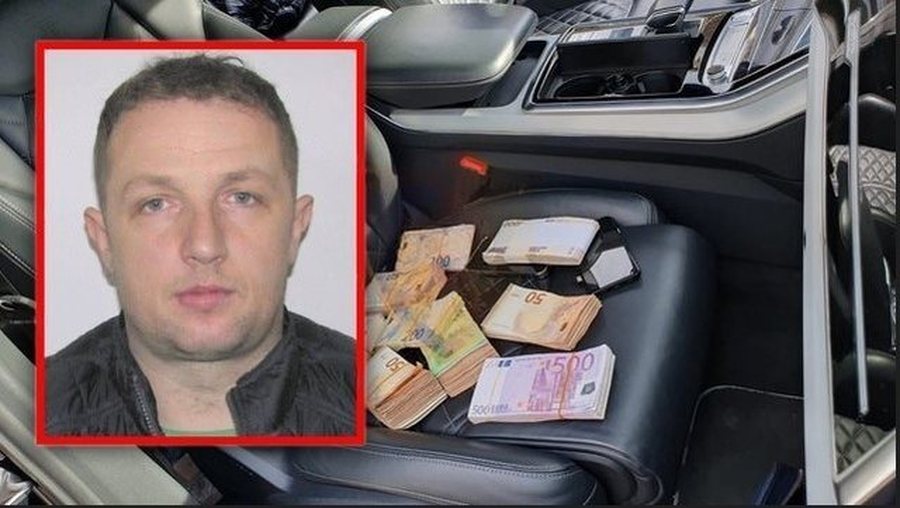
In recent years, there have been numerous cases where police officers, from special units to ordinary police officers, have been caught as part of criminal organizations. A few weeks ago, Muçi Sheqeri, an officer of the Police Supervision Agency, was shot in the car of Gilmando Dani during the assassination attempt a few days ago. He was in the role of driver and escort for one of the most dangerous people in the circle of Emiljano Shullazi, a name that carries convictions for serious criminal offenses.
The case of Ervis Martinaj shows the same pattern of cooperation between police and crime. Jeton Lami, an operative of the Operational Unit in the FAST squad, accompanied Martinaj in his movements, although the latter was declared wanted. Investigations proved that Lami was the person who had accompanied him to Durrës a few hours before Martinaj disappeared.
Në Shkodër, oficerët e hetimit nuk kanë qenë gjithmonë vetëm në anën e ligjit. Ardit Hasanbegaj, oficer në strukturat e hetimit dhe rendit publik, u ekspozua nga bisedat e dekriptuara në SKY ECC si pjesë e bandës së Bajrajve dhe Pëllumb Gjokës. Ai u akuzua nga SPAK për sigurim të kushteve dhe mjeteve materiale për të kryer vrasje në dëm të Dorian Dulit dhe Ibrahim Licit. Pra sërish një efektiv policie në shërbim të planeve kriminale të një grupi, jo për t i zbuluar krimet e tyre, por për t’i realizuar ato.
Edhe kupola e policisë nuk ka qëndruar e paprekur nga akuzat. Oltion Bistri, ish shef i Forcës së Posaçme Operacionale dhe më pas ish drejtor i Policisë në Durrës dhe Lezhë, u arrestua si pjesë e të njëjtit rrjet kriminal. Një drejtues i lartë i policisë, që në teori duhet të udhëheqë luftën kundër krimit të organizuar, del në praktikë si pjesë e tij. Në Lezhë, ish drejtori Henrigert Mitri rezultoi i rekrutuar nga një grup kriminal i kultivimit dhe trafikimit të kanabisit dhe në aktivitetet e lojërave të fatit. Aktiviteti i tij u dokumentua po ashtu nga bisedat e SKY ECC, një tjetër rast ku teknologjia nxjerr zbuluar lidhjen mes uniformës dhe bandës.
Lista vijon me emra të tjerë. Dritan Metaj u arrestua nga SPAK si pjesë e grupit të Gëzim Çelës, një prej rrjeteve më të mëdha të trafikut të drogës në vend. Arlind Ismailukaj, efektiv policie, u prangos në operacionin “Flakë në det”, të lidhur sërish me trafikun e lëndëve narkotike. Të gjitha këto dosje të marra së bashku e shndërrojnë atë që shpesh prezantohet si devijim individual në një model të përsëritur, ku krimi i organizuar nuk e ka aspak të vështirë të blejë besnikërinë e njerëzve brenda uniformës.
Seria e emrave tregon se organizatat kriminale nuk kënaqen më me korruptimin eposodik të zyrtarëve të zakonshëm, por se e kanë vënë nën shërbimin e tyre të vazhdueshëm trupën policore duke kapur kupolën e saj.
Pavarësisht rasteve të shumta që janë zbuluar kur policët kanë qenë në shërbim të bandave, kryeministri Edi Rama ka refuzuar të pranojë nevojën e një reforme për pastrimin e policisë së shtetit.
I pyetur për atentatin e fundit, kur Gilmando Dani shoqërohej nga efektivi i AMP, Muçi Shaljani, kryeministri Rama devijoi dhe foli për nevojën e kamerave të sigurisë në zonën përreth Rinasit. Përgjigjia e Ramës u duke e çuditshme pasi atentati u filmua plotësisht nga kamerat e sigurisë të bizneseve përreth.
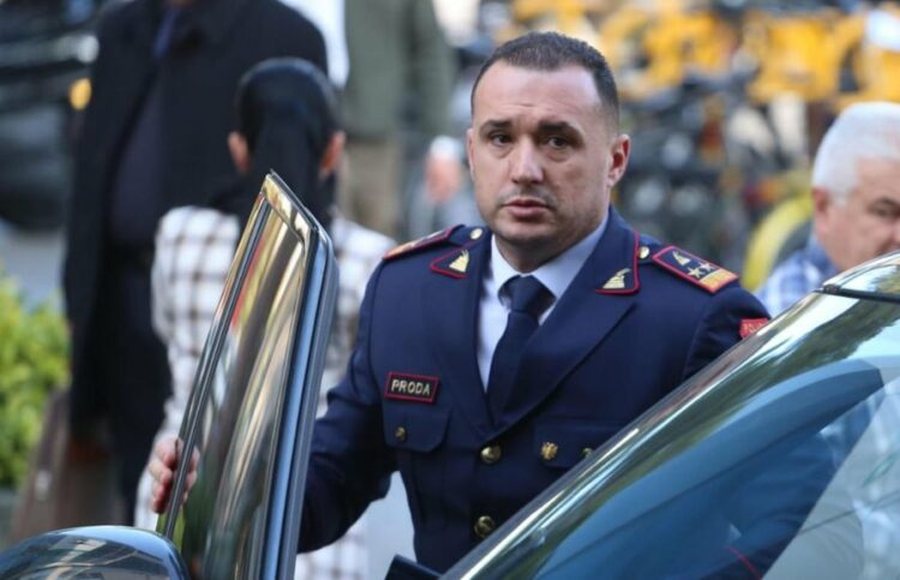
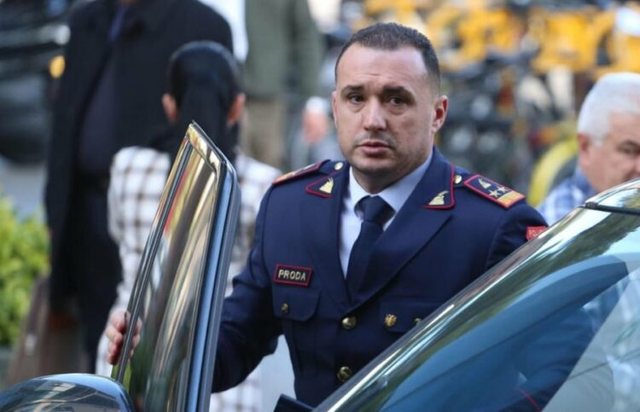
Këtij qëndrimi indiferent të Ramës për përfshirjen e policëve në rrjetet kriminale, i shtohet fakti se drejtori i Përgjithshëm, Ilir Proda vazhdon ta ruajë të padiskutueshëm besimin e shefit të qeverisë.
Duket se dyshja Rama-Proda janë në një simbiozë të rehatshme, ku njëri ruan shpatullat e tjetrit, pa u shqetësuar aspak nga fakti se nën komandën e Prodës, efektivët po kapen njëri pas tjetrit teksa shërbejnë si shoferë, roje sigurie, informatorë dhe korrierë për bandat që kontrollojnë trafikun e drogës dhe botën e krimit.
With each passing day, SPAK investigations, interceptions of encrypted platforms, and files coming from the European Union show that gangrene in the police has advanced on every floor of this structure.
Suspicions that this gangrene has also infected the police hierarchy were reinforced by the case of Ritvan Pal, former chief of police station no. 2 in Tirana.
A few months ago, Pali arrested the much-wanted Altin Morina, a former RENEA operative suspected of participating in a criminal organization and drug trafficking. SKY ECC wiretaps revealed that Morina was in the service of Durim Bami's gang in Fushë-Krujë a few years ago. But he was arrested in Tirana in April of this year for the second time.
The operation was closely followed by SPAK and was considered a serious blow to a criminal group with branches in several districts. But after the operation, instead of being appreciated, the chief of the police station became "undesirable" in the eyes of the highest police leaders.
On the orders of the general director Ilir Proda, Ritvan Pali began a series of penal transfers. Initially, his rank was lowered. He was then transferred and ended up "interned" as an order specialist in Kukës, a position that had no connection to his professional experience and where the "punishment" was obvious.
Pali chose to leave the police. It was reported in the media that some of the officers involved in the operation were also transferred to other, lower positions, apparently as punishment for the arrest of Altin Morina on April 4, 2025.
When asked about this story in parliamentary committees by DP MP Flamur Noka.
But Ilir Proda responded with irony, but also by admitting that he was the one who had ordered the transfer of the policeman: "If serving in Kukës is persecution, that's your problem, Mr. Noka, not mine. Ask him why he resigned, since you keep in touch."
There are many accusations targeting Ilir Proda, as the man who stands by his duty, as the guarantor of the balance between the gangs on one side, and the interests of power on the other. It is certain that for him, it does not matter that so many police officers choose to be paid by crime. After all, they have realized that they are betrayed in the first place by the police dome, so nothing prevents them from crossing over to the other side of the law themselves./ Lapsi.al



Lini një Përgjigje