


 Shkruar nga Pamfleti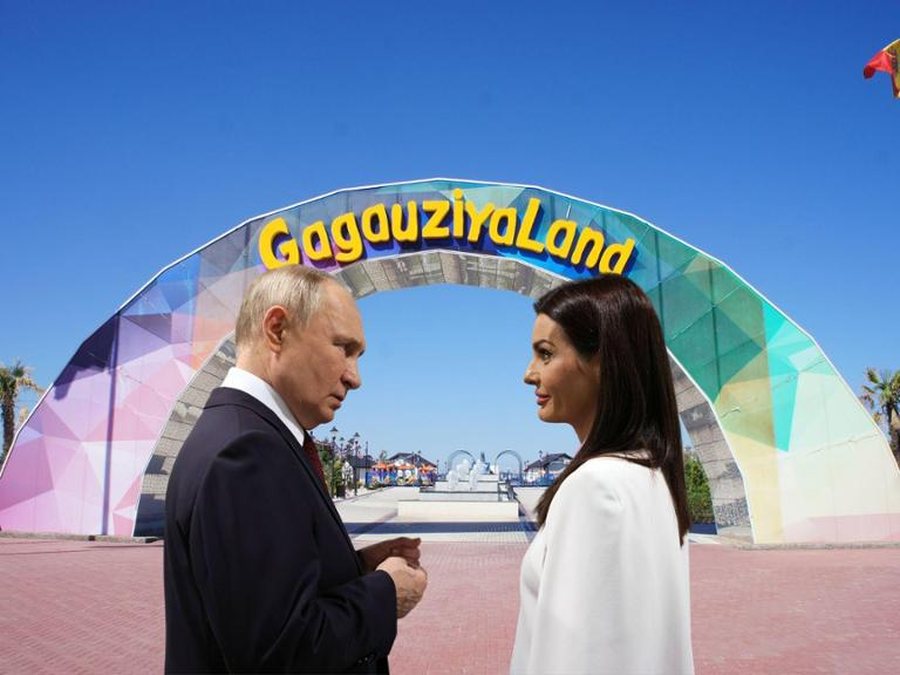
Russia is investing to influence the EU candidate country Moldova. The Gagauzia region is a touchstone. It is no longer just about buying votes...
It's a straight line of 10 or 15 kilometers from Congaz to the Ukrainian border. In southern Moldova, Russian troops have even struck, not far from the village. But on a Thursday afternoon in early September, a kind of surreal peace reigns on the outskirts of the settlement: heat shimmers over the sun-scorched fields, a Soviet-era tractor rustles behind a chain-link fence, and behind a brightly colored archway that bears the inscription "GagauziyaLand," water features bubble. Along the shiny asphalt paths, gray-haired men in shorts supervise abandoned children's games. The Moldovan summer holidays have just ended.
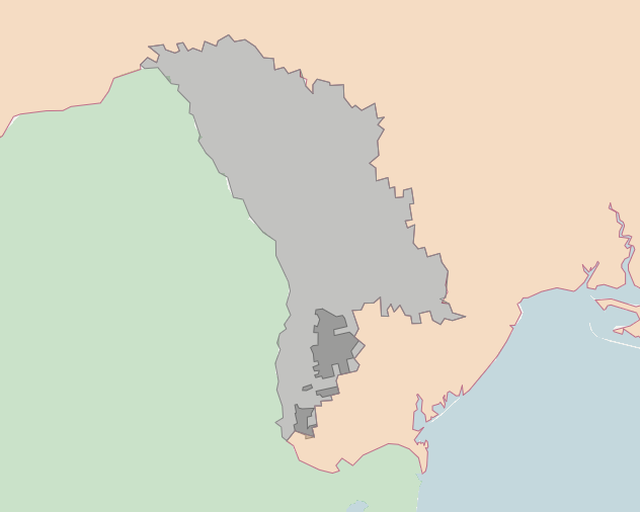
"Gagauziya," or Gagauzia, is the name of a small autonomous region in not-so-large Moldova. About 150,000 people live here. Gagauzia would be the perfect blind spot in Western Europe if it weren't for a pro-Russian hot spot in the middle of Moldova, a country that is joining the EU. Were it not for the crucial elections in Moldova at the end of September, pro-Russians could take over the government.
The people of Gagauzia would welcome this. Over 90 percent of voters voted against including a planned EU membership in Moldova’s constitution in 2024, a full 45 percentage points more than the national average. And it was none other than Ilan Řor who planted “GagauziyaLand” in the barren landscape: a former Moldovan-Israeli oligarch convicted of stealing hundreds of millions of euros from Moldovan banks and, according to observers, now the Kremlin’s favorite money launderer.
Entry to the real Gagauzia Land in the hills outside Congaz is free. In a figurative sense, that applies to this too: those who enter this pro-Russian wonderland are richly rewarded, and thousands have accepted. What's going on? A regional politician, an activist, and a journalist can explain.
The region has long had pro-Russian government leaders, often led by socialists. But when “Baskan,” the governor of Gagauzia, was re-elected in 2023, Shor intervened massively. With Russian money. And, many observers believe, with the next stage of a test of the Kremlin-led mechanisms of election manipulation.
Ror’s banned party, pragmatically and directly called “Ror Party,” pulled a largely unknown candidate out of the hat at the time: Evghenia Guțul. She won “without giving a single speech,” as Valeriu Pasa puts it. “Ror and his party have never had a strong presence in Gagauzia,” explains the head of the think-tank WatchDog.MD from the capital, Chisinau. But they paid about 25,000 voters to cast their votes and bribed rival candidates. And the party made “cosmic” promises: ad hoc investments amounting to tens of millions of euros, a brand-new regional airport and an amusement park. Plus regular financial support, which would flow into his private account.

In early 2024, Vladimir Putin met Guțul in person at an event in Sochi. Remember, she was a politician with the sphere of influence of a small German circle. Putin had promised help in the fight against the Moldovan government, the governor explained shortly afterwards. Apparently, it was time to take the next step, because unlike the new airport and most of the promised investments, regular payments from Moscow to the Gagauz actually arrived. Indirectly, yes, but ultimately distinguishable from Promsvyazbank, a bank of the Russian Ministry of Defense.
The system came to light on a large scale during the 2024 presidential election, which pro-European President Maia Sandu surprisingly won with just 55 percent of the runoff vote. The masterminds informed recipients across Moldova approximately 140,000 times via text messages that their 10,000 rubles (about 100 euros) had arrived; this did not go unnoticed by the authorities. The exact sequence of events was later documented in an investigative report. The process showed that Moldova’s problem extends far beyond Gagauzia. And Russia is acting with excessive transparency. “They didn’t even try to hide it, as is usually the case,” says Pasa.
However, Gagauzia remains a particularly drastic example of Russian influence. Because here alone, 40,000 text messages were received. And this, according to experts, was not a single vote-buying operation. The aforementioned 10,000 rubles per person have been flowing to many Gagauzians every month since March or April 2024, apparently in the tens of thousands. Mihail Sirkeli, founder of the pro-European portal Nokta.md from the Gagauzian capital, Comrat, followed the process closely. Among the recipients of the Russian money, he says, was his own father. He was forced to confess because he participated in the Ror “program” using a mobile phone number registered in his son’s name – and received a police call for the owner of the number.
Autonomous region of Gagauzia
Populli gagauz ka dhe ende ka gjuhën e vet, gagauzishten, një gjuhë turke. Megjithatë, ajo luan një rol të vogël në jetën e përditshme; komunikimi kryhet në rusisht. Një shtet gagauz nuk ekzistonte kurrë deri në fund të Bashkimit Sovjetik. Me rënien e Bashkimit Sovjetik (dhe aspiratat moldave për bashkim me Rumaninë), Comrat kërcënoi të krijonte një shtet. Sipas historianit moldav Sergiu Musteata, ky projekt u iniciua nga shërbimi sekret sovjetik, KGB-ja. Marrëveshja mbi të drejtat e autonomisë e qetësoi përkohësisht konfliktin nga viti 1994 e tutje.
Gagauzia është e varfër. Pensioni mesatar është ekuivalent me 100 deri në 150 euro dhe shumë njerëz në sistemet e kujdesit shëndetësor ose arsimor fitojnë pak më shumë se kaq. Rritja e çmimeve të gazit dhe inflacioni e kanë përkeqësuar shumë situatën që nga fillimi i luftës në Ukrainë . Megjithatë, kjo nuk e ka dobësuar simpatinë e Gagauzisë për Rusinë.
Funksionon kështu, thotë Sirkeli: babai i tij ia la numrin e celularit dhe një kopje të pasaportës një anëtari të Asamblesë Popullore Gagauz. Me sa duket, ky person ia përcolli të dhënat Moskës nëpërmjet aplikacionit të mesazheve Telegram. Shumë nga këta "persona kontakti" vijnë direkt nga Ror. Pas shkarkimit të aplikacionit, aktivizohet një llogari Promsvyaz. Megjithatë, ekziston edhe mundësia që ofruesit e shërbimeve të mbledhin paratë kundrejt një tarife dhe t'i shpërndajnë ato në nivel lokal, ndoshta për disa anëtarë të familjes. "Është një industri e tërë", thotë gazetari. Shërbimi i inteligjencës së Moldavisë vlerëson se Rusia "investoi" deri në 200 milionë euro në blerjen e votave dhe dezinformimin në Moldavi në vitin 2024. Kjo korrespondon me një përqind të produktit të brendshëm bruto të vendit.

Ndërkohë, policia dhe gjyqësori po ndërhyjnë. Bashkin Guțul u dënua me shtatë vjet burg në gusht për kontrabandë parash nga Rusia në vend, për Partinë Şor dhe me shumë mundësi edhe për blerje votash. Sipas Sirkelit, sundimtarja rajonale ndonjëherë madje udhëtonte vetë në Rusi për të sjellë para në Moldavi. Ndërkohë, në Gagauzia po zhvillohet një luftë për zgjedhje të reja rajonale.
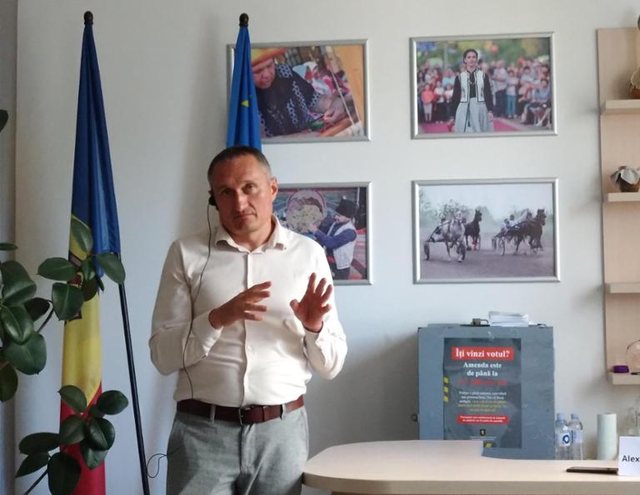
Marrësit e parave nuk ka gjasa të përballen me burgim. Ata që bashkëpunojnë, si babai i Sirkelit, mund t'i shpëtojnë një paralajmërimi dhe kërcënimit me ndëshkim për shkelje të përsëritura. Përndryshe, duhet të paguhet një gjobë deri në 2,000 euro, thotë Alexandr Tarnavschi. Një poster paralajmërues për gjobat varet në zyrën e përfaqësuesit rajonal në Comrat. Tarnavschi bëri armiq në rajon që në fillim pikërisht me këtë paralajmërim. Ai thotë se ishte një nga vetëm dy përfaqësuesit që votuan kundër propozimit për të rekomanduar që të gjithë gagauzët të pranonin para nga Rusia. Kjo i kushtoi atij punën si nënkryetar i bashkisë së Comrat. "Pse e bëra këtë? Sepse jam në favor të të qenit i ndershëm me njerëzit", thotë ai.
Tarnavschi is not at all positive about Sorin, his promises, his puppets and his money transfers. But he also emphasizes another aspect: the investigations and accusations caught many Gagauzians by surprise and hit them hard - after all, the official authorities had advised them to accept the money. "This is now affecting many pensioners who have never had contact with the police. They are having heart attacks."
However, Ror is also gaining propaganda advantages from this turn of events, his people are addressing the supposedly evil government in the capital: "of course, Chisinau is supposed to be guilty of everything". And from a purely legal perspective, the accusations have a weak basis, says Tarnavschi. Despite the real intention, officially it is not about buying votes for a specific election, but about regular payments. Therefore, the connection to voter corruption is rather unclear.
Two questions arise. First: Why all this in Gagauzia, a traditionally deeply pro-Russian region? Sirkeli says it's no longer just about buying votes. "The recipients are mercenaries in a hybrid war waged by the Russian Federation against the Republic. They are paid for loyalty. They are paid to comment on Facebook. They are paid to hate Maia Sandu and the pro-European PAS party." Russia is concerned with mobilization. An important tool in this regard is the collected mobile phone numbers, for a continuous flow of information. Shor also regularly recruits paid protesters against Sandu and her government.
The second question: What happens next? Ahead of the September 28 elections, Moldovan investigators are on alert, but in many places the damage may already be done. For now, the situation is calm, except for an explosion of disinformation on social media, Pasa says. But with Russia, you never know.
The story of Řor, Gagauzia and Russia also has the potential for another unexpected turn. In the 2024 presidential election, for example, another completely unknown candidate, supported by Řor, caused a sensation. The woman with the seemingly fictional name Victoria Furtuna received 20,000 votes from Gagauzia, without expressing any pro-Russian sentiment, as Tarnavschi points out. / Adapted from Fr.de/


Lini një Përgjigje