


 Shkruar nga Pamfleti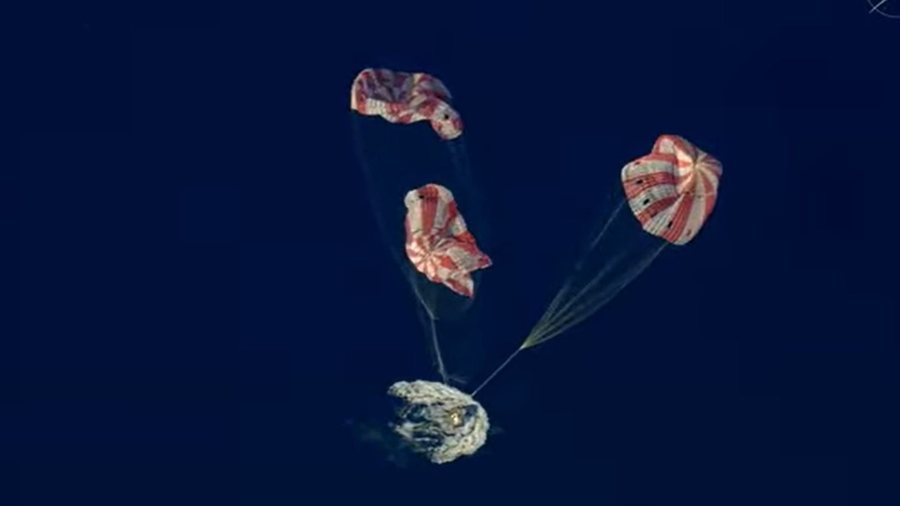
NASA crew completes longest flight in history, paving the way for future missions to the Moon and Mars
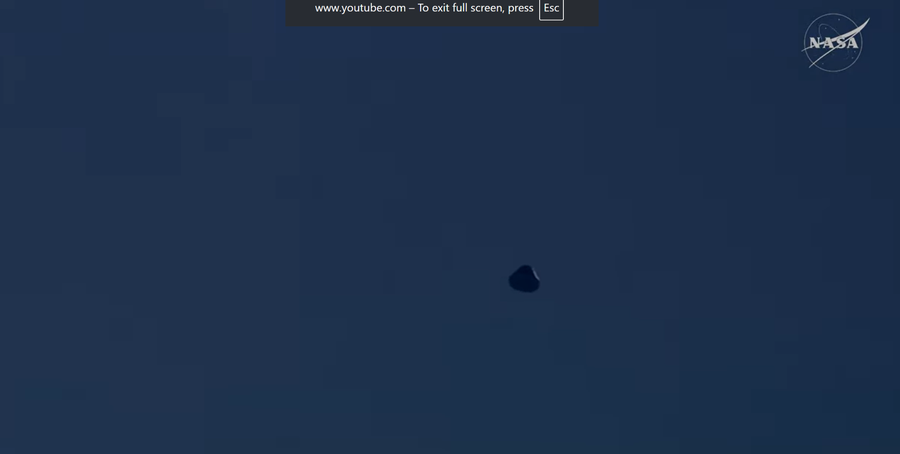
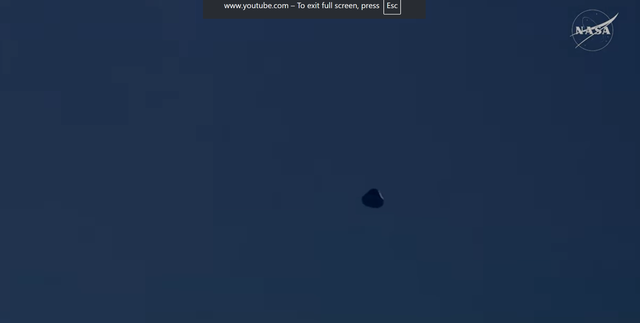
NASA's Artemis II mission successfully concluded, as the four astronauts returned to Earth with a controlled landing in the Pacific Ocean at 02:07. According to the US space agency, the sea landing process took place without incident and all crew members are in good health.
Immediately after landing, mission commander Reid Wiseman confirmed the positive condition of the crew inside the Orion capsule. "What a trip! We are stable. All four astronauts are fine," he declared, emphasizing that the mission ended without any problems for the personnel on board.
Artemis II marked a historic moment for space exploration. The four astronauts traveled farther from Earth than any other human in human history, breaking the record set by the Apollo 13 mission in 1970. It was also the first manned flight under the Artemis program and the first time in more than five decades that humans had traveled around the Moon.
All four crew members, NASA astronaut Reid Wiseman, Artemis II commander, NASA astronaut Victor Glover, Artemis II pilot, NASA astronaut Christina Koch, Artemis II mission specialist, and Canadian Space Agency (CSA) astronaut Jeremy Hansen, Artemis II mission specialist have now… pic.twitter.com/sIwNvPOsKx
— OSINTdefender (@sentdefender) April 11, 2026
United States President Donald Trump reacted to the astronauts' return by congratulating the crew and calling the mission "spectacular." In a message published on the Truth Social platform, he expressed pride in the achievement and outlined ambitions for further steps in space exploration, citing the future goal of sending American astronauts to Mars.
Beyond the symbolism, the mission had great practical and scientific significance. NASA tested the Orion spacecraft's performance in deep space, beyond Earth orbit, in real-world conditions. Engineers and scientists monitored the operation of life support, navigation, communications, and reentry systems, with the aim of identifying elements that were working as planned and those that needed improvement for future missions.
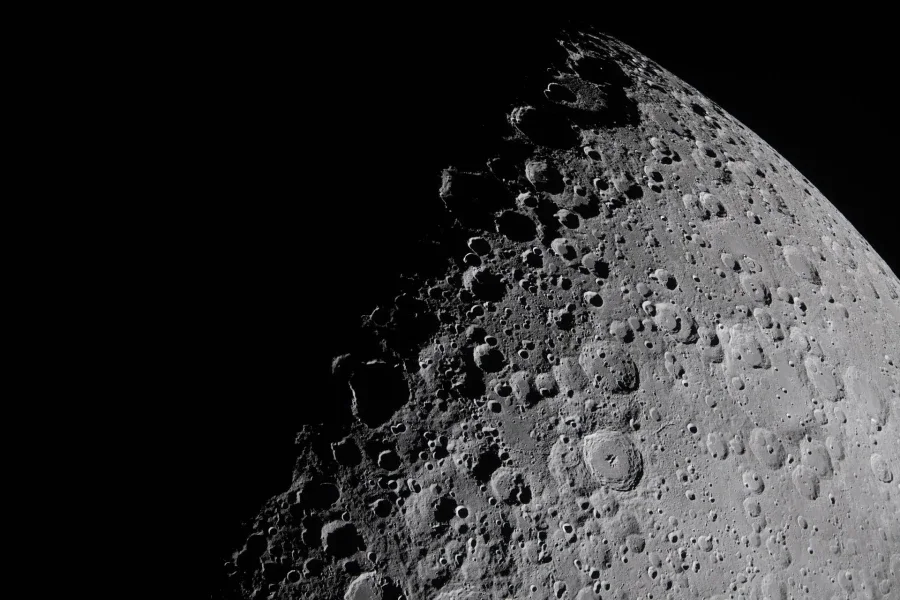
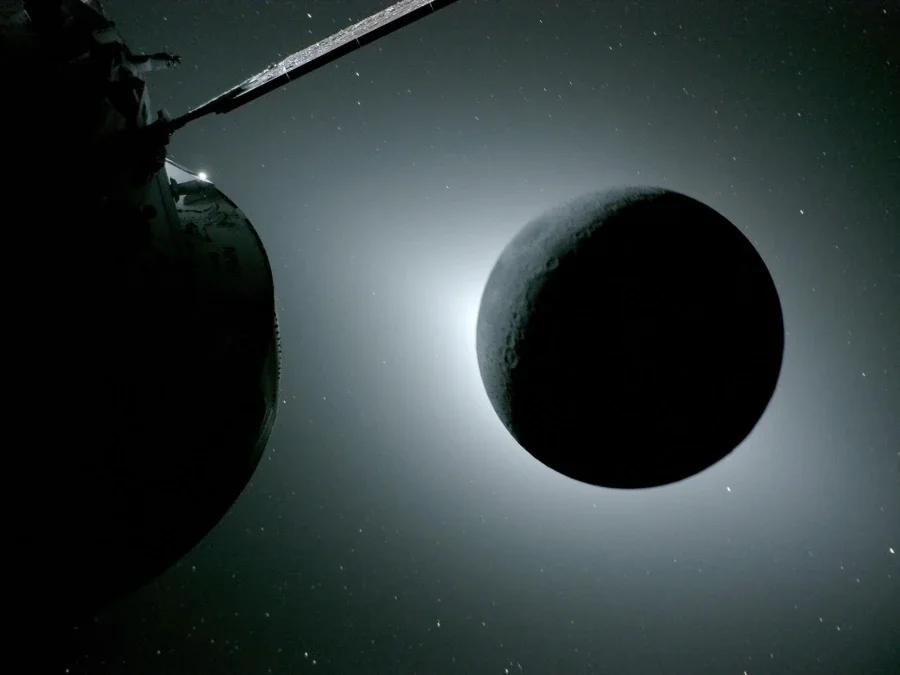
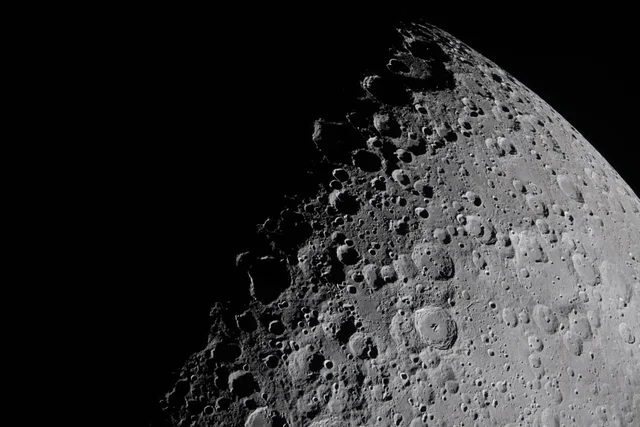
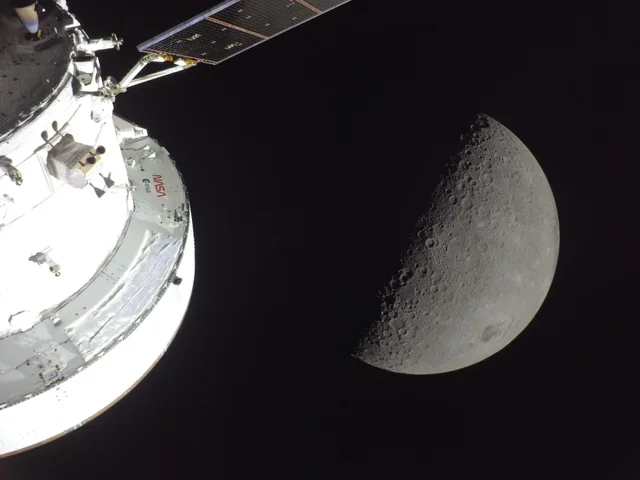
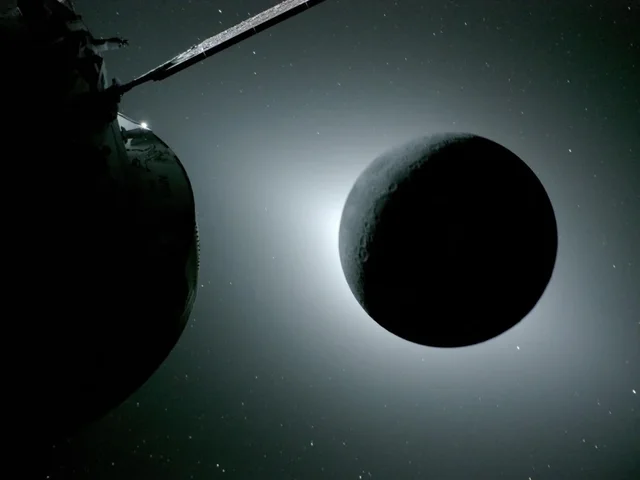
The data collected is not limited to technical aspects. The astronauts recorded detailed images and observations from different areas of the Moon, helping to better understand its surface, crater structure and lighting conditions. This information is considered essential for planning future landings on the lunar surface.
In parallel, the mission served as a living laboratory to study the impact of extreme conditions on humans. Scientists analyzed the effects of microgravity, space radiation, and psychological isolation on astronauts during a long journey into deep space.

One of the most important moments of the mission was the spacecraft's passage behind the Moon, during which the crew lost communication with Earth for about 40 minutes. This area, known as the far side of the Moon, remains one of the least explored parts of the closest celestial body to Earth. The experience was particularly significant, as it was the first time in decades that humans had seen this region up close.
Astronaut Christina Koch described the experience with a meaningful reflection: “We do not leave Earth, we choose it,” underscoring the philosophical dimension of space exploration as a choice for knowledge and responsibility. Meanwhile, astronaut Victor Glover brought a more human perspective, emphasizing that even at the greatest distance from Earth, one of the most important mysteries remains love.
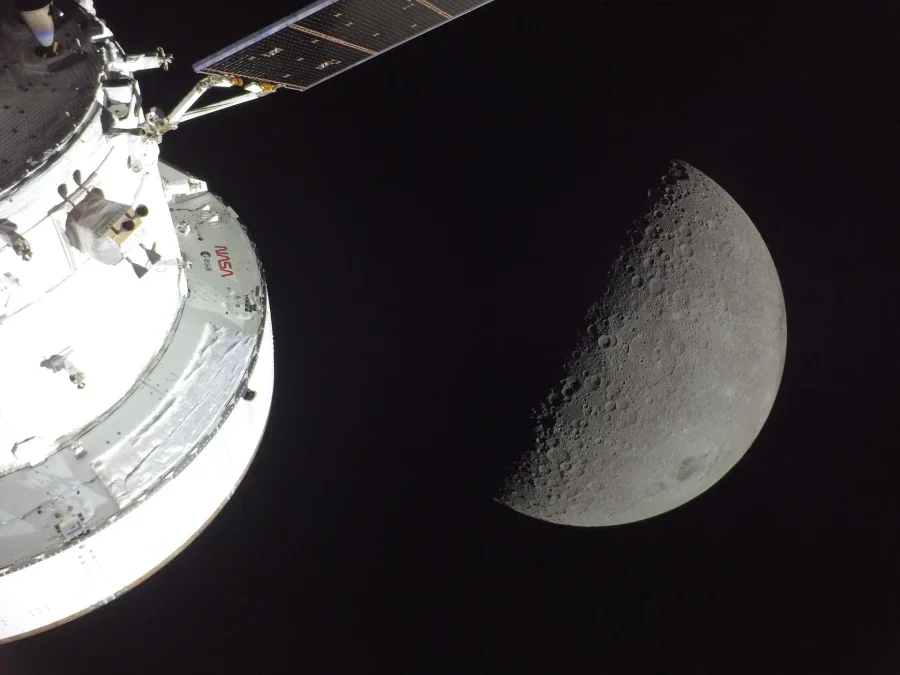
According to NASA, Artemis II represents a crucial step towards the next phases of the program, which aim to return humans to the surface of the Moon and then expand exploration to Mars. The mission provides an important base of knowledge and experience that will serve to develop new technologies and strategies in the coming decades.








Lini një Përgjigje