


 Shkruar nga Pamfleti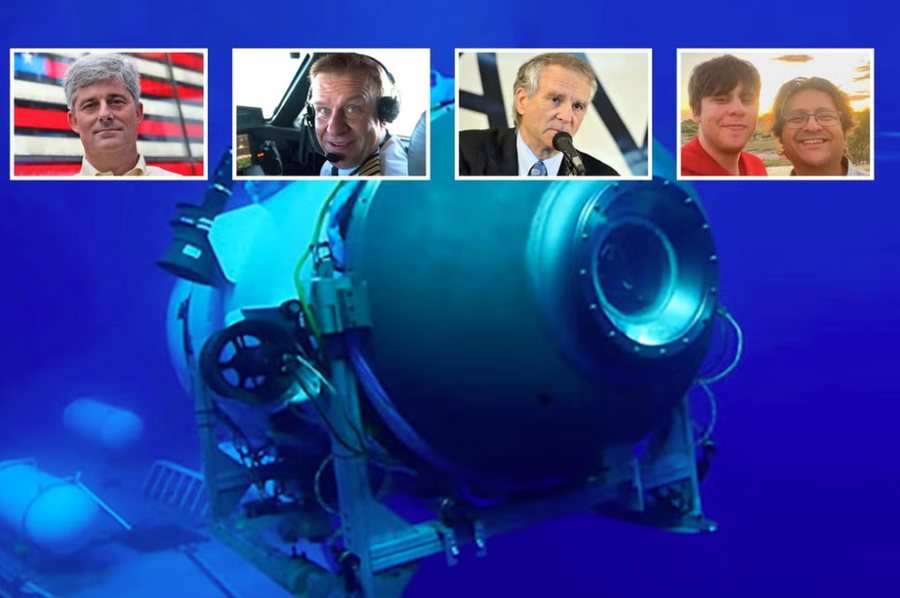
It started as an adventure, but ended in tragedy. Yesterday, hopes were extinguished that the crew of the "Titan" submarine was alive", while there are still many mysteries.
"The Sun" has raised 5 questions about the tragedy in question.
A robot found five large pieces of debris on the seabed, two miles below the surface. They included parts of the submarine's hull and a cone of its front part.
Rear Admiral John Mauger, of the US Coast Guard, said the debris was about 500 meters from the bow of the Titanic and "consistent with a catastrophic loss of pressure chamber".
But it is not clear what caused the explosion of the vessel, specially designed to withstand extreme depths.
On Wednesday, underwater sounds were reported during the search for the missing Titan submarine. At the time, it raised new hopes that crew members might have signaled for help. Searchers claimed to hear crashes at 30-minute intervals while searching for the ship.
A Canadian plane also detected the sounds in the area where the crew disappeared.
US Coast Guard Captain Jamie Frederick later confirmed that noises in the deep sea had been heard and were being analyzed by sonar experts to determine if they came from the 22-metre vessel.
Carl Hartsfield, another expert involved in the search, told reporters that it was very difficult to distinguish what the noises were. He said that “we have multiple sensors in the area that take data to the best people in the world for this job and feed that back to the team so they can make decisions. They must eliminate possible man-made sources, except for the Titanic.
However, at the press conference, Rear Admiral Mauger said there does not appear to be any connection between the underwater noises detected during the search and rescue mission and the location of the debris on the seabed. It remains unknown what the sounds of the blows were.
“OceanGate Expeditions” është kritikuar për një vonesë tetorëshe përpara se të lajmëronte Rojen Bregdetare të SHBA-së se kishte humbur kontaktin me ”Titan”-in.
Anija u zhyt në orën 13:00 GMT, të dielën, rreth 650 kilometra, në juglindje të St John’s, Neëfoundland. Por, afërsisht pas një ore e 45 minutash në zbritje, ajo humbi kontaktet.
Megjithatë, kjo gjë nuk u raportua te Roja Bregdetare amerikane deri tetë orë më vonë, në orën 22:40 GMT.
Kathleen Cosnett, një kushërirë e Hamish Harding, tha se ”vonesa prej tetë orësh ishte shumë e gjatë”.
“Është shumë e frikshme. U desh kaq shumë kohë që ata të shkonin për t’i shpëtuar, është shumë kohë e gjatë. Unë do të kisha menduar se tre orë do të ishin minimumi”, shtoi ajo.
”OceanGate” nuk e ka shpjeguar vonesën.
Një seri gabimesh të rëndësishme sigurie u bënë përpara se nëndetësja të zhdukej gjatë udhëtimit për të parë rrënojat e ”Titanic”-ut.
Në një intervistë përpara se anija të humbiste, CEO i ”OceanGate” Stockton Rush – i cili ishte në bord – pohoi se duhet të kishte kufizime për masat paraprake të sigurisë.
Ai i tha CBS se ”në një moment, siguria është thjesht një humbje e pastër”.
“Dua të them, nëse thjesht dëshironi të jeni të sigurt, mos u çoni nga krevati, mos hipni në makinën tuaj, mos bëni asgjë. Në një moment, ju do të ndërmerrni një rrezik, dhe me të vërtetë është një çështje mess rrezikut dhe shpërblimit. Unë mendoj se mund ta bëj këtë po aq të sigurt duke thyer rregullat”, tha ai.
Dhe është zbuluar se ”OceanGate” ishte e përfshirë në një proces të madh gjyqësor për frikën për sigurinë e nëndetëses.
David Pogue, a CBS Sunday Morning reporter and former Titan passenger, revealed that while the ship had been lost once last year he questioned the company's emergency system. He said the ship did not have a visual distress signal - which is activated in emergency situations.
When activated, it signals a worldwide Search and Rescue (SAR) network designed to quickly send rescuers to the ship's exact location.
Pogue said that "this submarine does not have any kind of beacon".






Lini një Përgjigje