


 Shkruar nga Pamfleti
Kiev residents are grappling with the dire consequences of the Russian attacks, stressing that while buildings may be rebuilt, the emotional scars and human losses remain indelible.
Ukrainians knew a major attack was coming. Since Russia warned, about a week ago, that it would intensify attacks on the capital Kiev, many residents spent the nights in underground shelters.
We were two stories underground, yet we could feel and hear the powerful explosions above us. Then came the Russian drones, which may have been carrying additional explosives or assessing the damage caused by the missiles. Then came more missiles.
According to the Kiev metro company, more than 41,000 people, including nearly 4,500 children, took shelter overnight in metro stations, a record for recent years.
Although Moscow had warned that the attacks would become much more severe, this attack was not much different from what Kiev had already experienced many times. Once again, Russia claimed to be hitting military targets, but the consequences were felt by civilians.
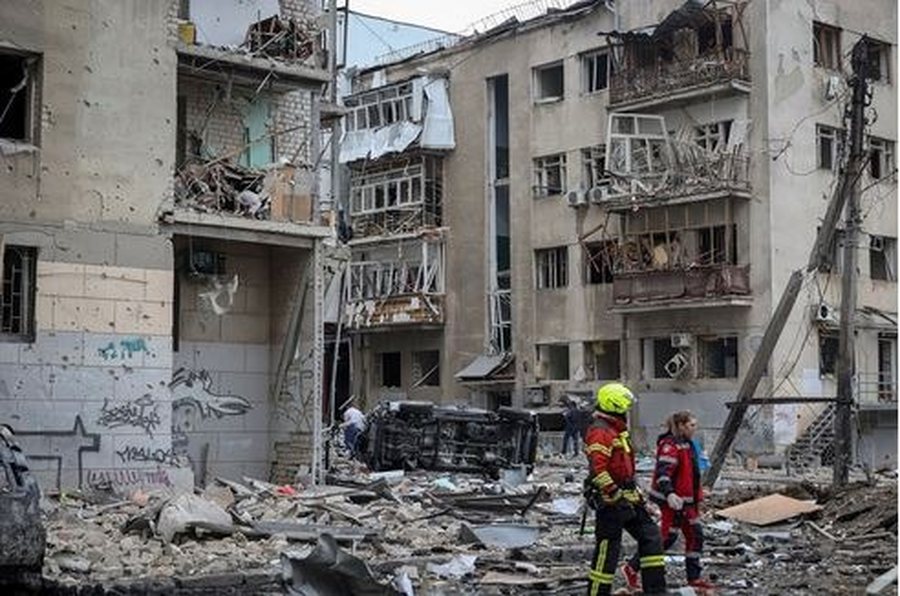
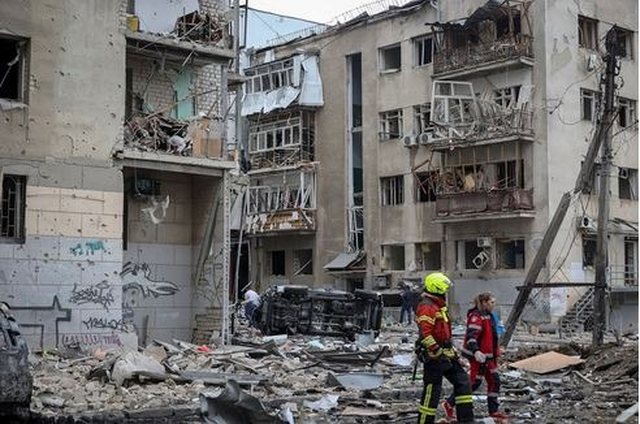
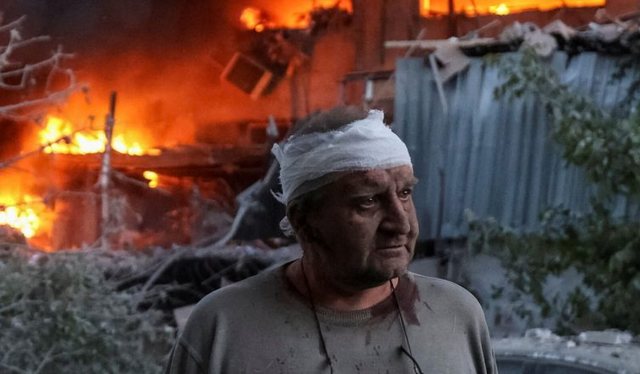
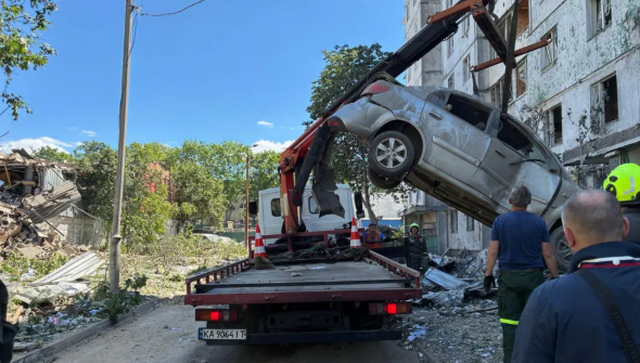
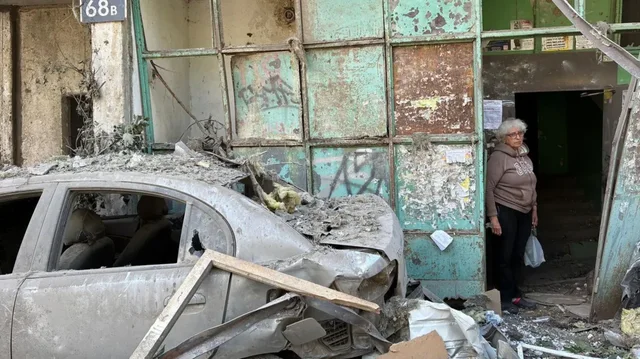
When they emerged from their shelters after the attack, many residents were shocked to see their neighborhoods completely transformed. Windows shattered, vehicles reduced to piles of burned and deformed metal.
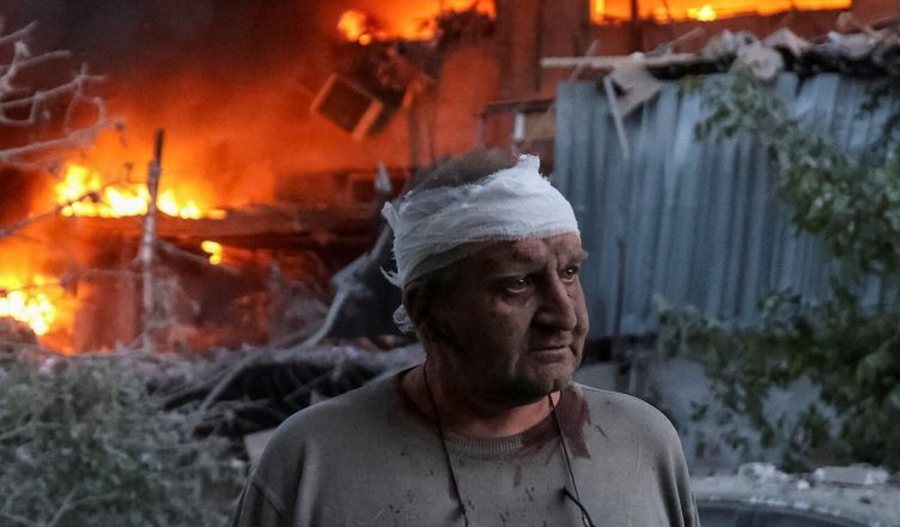
In Kiev, at least six people were killed that night, while casualties and damage were also reported in other parts of Ukraine. In Dnipro, at least 16 people were killed after two residential buildings were hit by the attacks.
More than 90 people were injured in the two cities. In Kharkiv, in the northeast of the country, where energy facilities and civilian infrastructure were also hit, authorities reported 10 injuries, including a child. Other regions of Ukraine were also targeted.
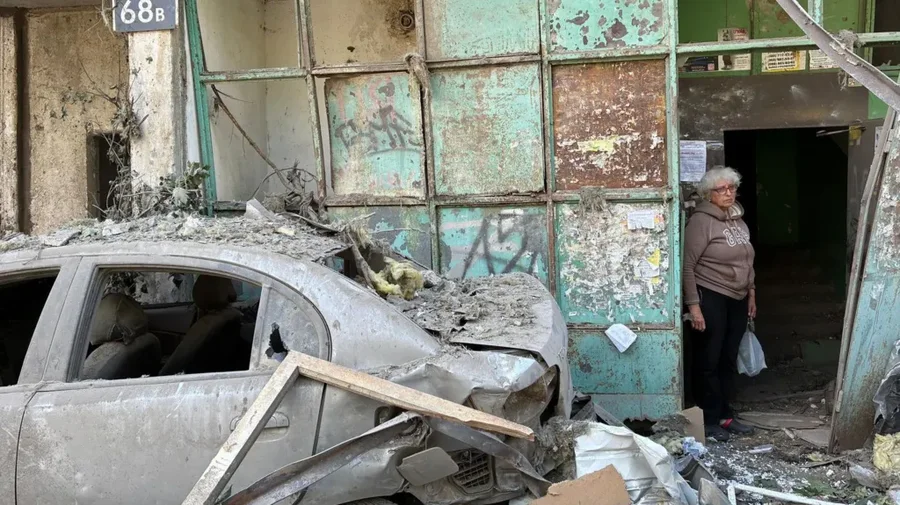
In Vynohradar, a normally quiet neighborhood of Kiev, the images showed total destruction. High-rise buildings with broken windows, burned-out vehicles along the sidewalks and clouds of dust and smoke in the air. Residents said they heard at least three very loud explosions. Some of their neighbors were taken to the hospital with serious injuries.
Anna lives in a 9-story building near the epicenter of one of the explosions. Through tears, she revealed that one of the vehicles completely destroyed by the explosion was hers. However, her concern is not only related to the car or the apartment.
"They will repair the building, but not our souls. The whole building, all of Ukraine is in mourning. What have we done to deserve this?" she said.
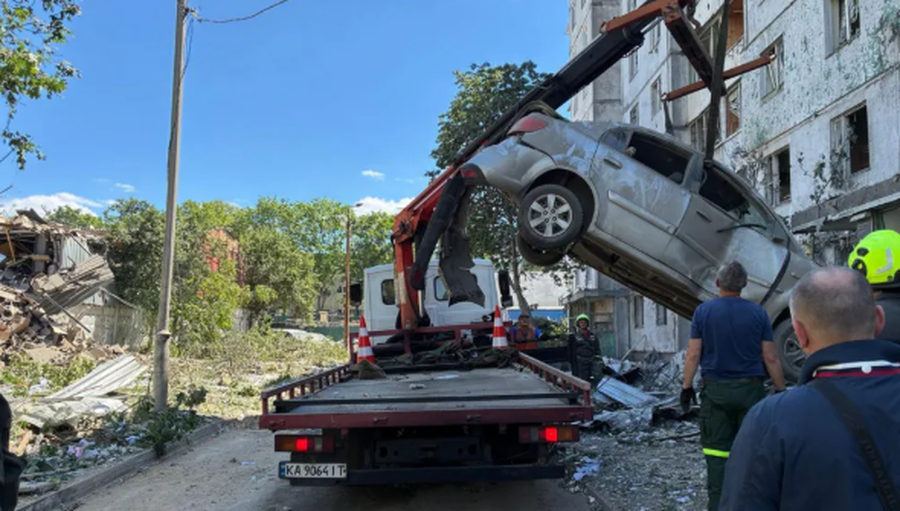
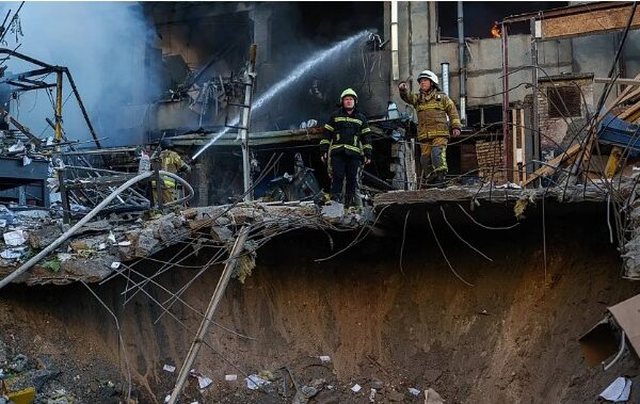
After the attack, a large-scale operation was launched to clean up the damage and help survivors.
Near Anna's house, rescue teams checked the physical condition of residents, while psychologists hired by the authorities talked to people shaken by the attack. Volunteers distributed free food and drinks.
Police were removing citizens from areas near the buildings, as shards of glass continued to fall from broken windows.
Nearby, young neighborhood boys joined municipal workers to clean up the rubble of a children's activity center, where purple butterflies still painted on the damaged windows.
But the further you get from the epicenter of the explosion, the more a sense of normalcy returns. On a street near Anna's house, some children played on a swing, staring in disbelief at the unusual movement in their neighborhood.
Further along, workers were laying new asphalt, while buses continued to circulate as if nothing extraordinary had happened a few meters away.
This is how Kiev copes with war: no matter how hard it is hit, the city returns to its daily routine. /Adapted from "Pamphlet" by "BBC"






Rusia e Putinit me luften kunder Ukraines po behet gjithnje dhe me e urrejtshme prej popujve te botes. Dhe kur humbet dinjitetin e behesh i urrejtshem s'ka c'te duhen territoret dhe pasurite...