


 Shkruar nga Ben Wolfgang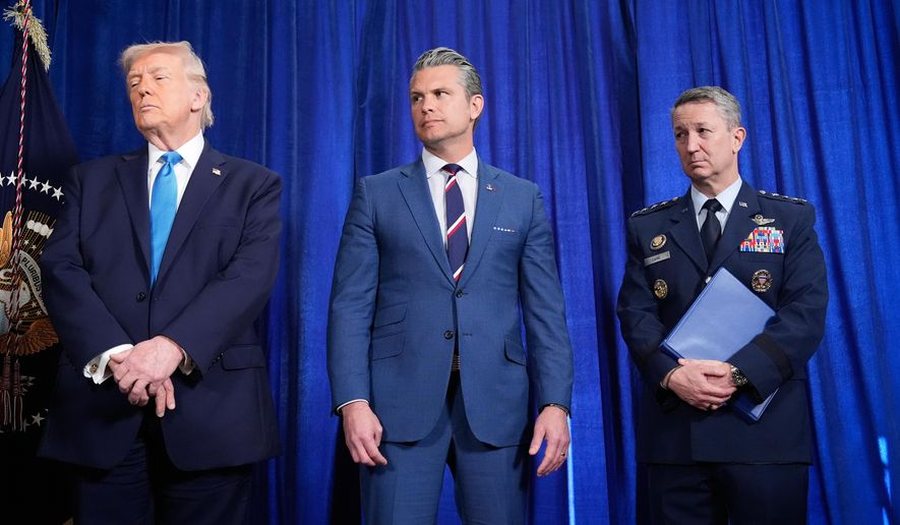
Veteran diplomat and former associate director of national intelligence Joseph DeTrani says the administration has made it clear that it favors protecting and promoting core US national interests over pursuing a rules-based international order.
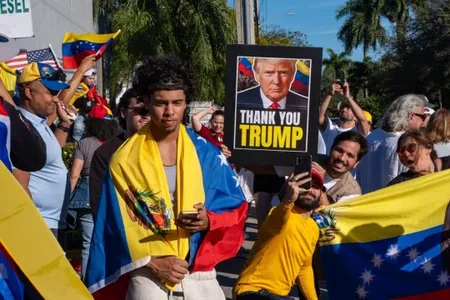
The stunning military operation that captured Venezuelan President Nicolas Maduro and took him to the US to stand trial was a drastic step taken by a commander-in-chief who has traditionally been cautious about military involvement abroad.
But for President Trump, the situation in Venezuela represented a once-in-a-generation moment in which he could advance many core national interests at once, in one place, with one bold action.
Mr. Trump’s decision to oust Mr. Maduro from power in Caracas could help stem the flow of illegal immigrants and drugs into the United States; restore American dominance over its own hemisphere and deal a major blow to the growing influence of China and Russia in the region; and provide a sudden surge in oil revenues and access to rare earth elements and other essential materials in the mineral-rich country.
On a more personal note, this operation finally allows Mr. Trump to claim victory over Mr. Maduro, who caused the US president a significant foreign policy embarrassment in 2019, withstanding a diplomatic pressure campaign that saw Washington attempt to oust him by recognizing opposition figure Juan Guaido as the country's legitimate leader.
Mr. Trump tried a very different pressure campaign this time, starting in September with attacks on ships suspected of transporting drugs from Venezuela to the United States and ending with the Saturday morning raid on Mr. Maduro's compound.
“This is the natural culmination of a maximum pressure campaign. President Trump signaled his willingness to undertake combat operations for almost three months and then he did it,” said retired Rear Admiral Mark Montgomery, former director for transnational threats at the White House National Security Council and now a senior fellow at the Foundation for Defense of Democracies.
Trump's takeover of Maduro is supported by precedent and the US Constitution, legal experts say.
“Pra, ne do ta drejtojmë vendin deri në kohën kur të mund të bëjmë një tranzicion të sigurt, të duhur dhe të mençur. Dhe duhet të jetë i mençur sepse kjo është ajo që bëjmë ne”, njoftoi Trump, duke shtuar “nuk mund të rrezikojmë që dikush tjetër të marrë përsipër Venezuelën , i cili nuk i ka në mendje njerëzit e mirë të Venezuelës”.
Ai shtoi se kompanitë tona shumë të mëdha të naftës në Shtetet e Bashkuara, më të mëdhatë kudo në botë, do të hyjnë, do të shpenzojnë miliarda dollarë, do të rregullojnë infrastrukturën e dëmtuar rëndë, infrastrukturën e naftës.
Venezuela mban rezervat më të mëdha të naftës në botë, të vlerësuara në 303 miliardë fuçi, dukshëm më shumë se Arabia Saudite.
Gjithashtu, ajo përmban depozita të konsiderueshme mineralesh, duke përfshirë disa nga elementët e rrallë të tokës të nevojshëm për të furnizuar me energji telefonat celularë, avionët luftarakë dhe pjesë të tjera kyçe të teknologjisë së shekullit të 21-të. Kina dominon tregun global të përpunimit të elementëve të rrallë të tokës.
Kina dhe një tjetër kundërshtar kryesor i SHBA-së, Rusia, kanë kultivuar lidhje më të thella me Venezuelën vitet e fundit. Rusia është tregtari më i madh i armëve në Venezuelë dhe Kina ka investuar miliarda dollarë në vendin e Amerikës së Jugut, me fokus në depozitat e saj të mëdha të burimeve.
Instalimi i një qeverie më miqësore me SHBA-në në Karakas , një qeveri që ndoshta mund t’i lirojë ato lidhje me Pekinin dhe Moskën, duket të jetë një pjesë qendrore e llogaritjes më të gjerë të administratës.
Specialistët thonë se Venezuela ofron gjithashtu një shembull real të filozofisë së politikës së jashtme të zotit Trump, një shembull që u kristalizua gjatë gjithë vitit 2025.
Diplomati me përvojë të gjatë dhe ish-drejtori i asociuar i Inteligjencës Kombëtare, Joseph DeTrani, pohon se administrata e ka bërë të qartë se favorizon mbrojtjen dhe promovimin e interesave thelbësore kombëtare të SHBA-së mbi ndjekjen e një rendi ndërkombëtar të bazuar në rregulla.
Në një artikull të kohëve të fundit për The Washington Times, ai vlerësoi guximin e administratës Trump në zhvlerësimin e Evropës dhe Lindjes së Mesme, duke theksuar Hemisferën Perëndimore si "rajonin kryesor të sigurisë për SHBA-në me fokus në kontrollin e kufijve, migrimin masiv, trafikimin e drogës dhe krimin e terrorizmin ndërkombëtar si kërcënimet kryesore për sigurinë e kombit tonë".
Analistë të tjerë thonë se u bë e qartë se kishte një dinamikë më personale që po rrotullohej prapa skenave, me zotin Trump që besonte si çështje parimore se zoti Maduro nuk duhet të qëndronte në pushtet.
“Ekziston një ndjesi pune të papërfunduar”, tha kohët e fundit për The Washington Times, Christopher Sabatini, bashkëpunëtor i lartë për Amerikën Latine në Chatham House, një organizatë kryesore kërkimore me seli në Londër.
Mr. Sabatini said that key figures within the administration, led by Secretary of State Marco Rubio, appeared to have convinced Mr. Trump that the Maduro regime was as weak as it had ever been. And they pushed the idea that things had changed dramatically since the failed attempt to install Mr. Guaido in Caracas became one of the biggest geopolitical blunders of Mr. Trump’s first term.
Mr. Maduro held on to power despite almost all credible international observers believing he lost last year’s presidential election to former Venezuelan diplomat Edmundo Gonzalez. That election, some administration officials seem to believe, resulted in Maduro’s government being particularly vulnerable to U.S. pressure.
This reality, coupled with Mr. Trump's desire to crack down on illegal immigration and the flow of drugs from Latin America to the United States, placed Venezuela at the center of the administration's foreign policy.
“They agree on this policy that initially went from justifying this as an anti-narcotics strategy to clearly an anti-Maduro strategy,” Mr. Sabatini said in an interview. /Adapted from WashingtonTimes /


Lini një Përgjigje