


 Shkruar nga Pamfleti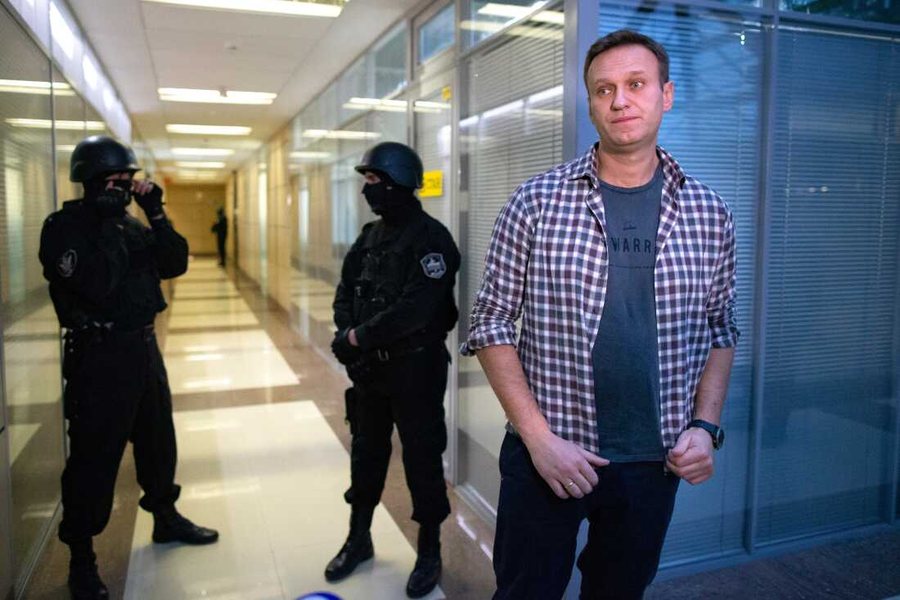
The Kremlin has rejected allegations by Britain and some of its allies that Russian opposition leader Alexei Navalny was poisoned with a substance described as "frog poison" while serving a sentence in a Russian prison in 2024.
Russian Foreign Ministry spokeswoman Maria Zakharova said the claims constitute a “disinformation campaign by the West.” She stressed that without the publication of laboratory results and formulas of the suspected substances, the accusations remain unfounded.
"There must be analysis results and formulas of the substances. Without this, all statements are part of a campaign aimed at diverting attention from the problems of the West," Zakharova said.
The Russian Embassy in the United Kingdom has also taken the same stance. In an official response, the embassy stated that the charges do not constitute an attempt at justice, but a political use of the issue.
"This is not a search for justice, but an instrumentalization of a tragic case. Even after the death of a Russian citizen, London and some European capitals continue to use the issue for political purposes," the reaction says.
British authorities and several Western countries have demanded a full explanation and independent investigation into the circumstances of Navalny's death. Moscow has consistently denied the allegations and described them as politically motivated.




Lini një Përgjigje