


 Shkruar nga Pamfleti
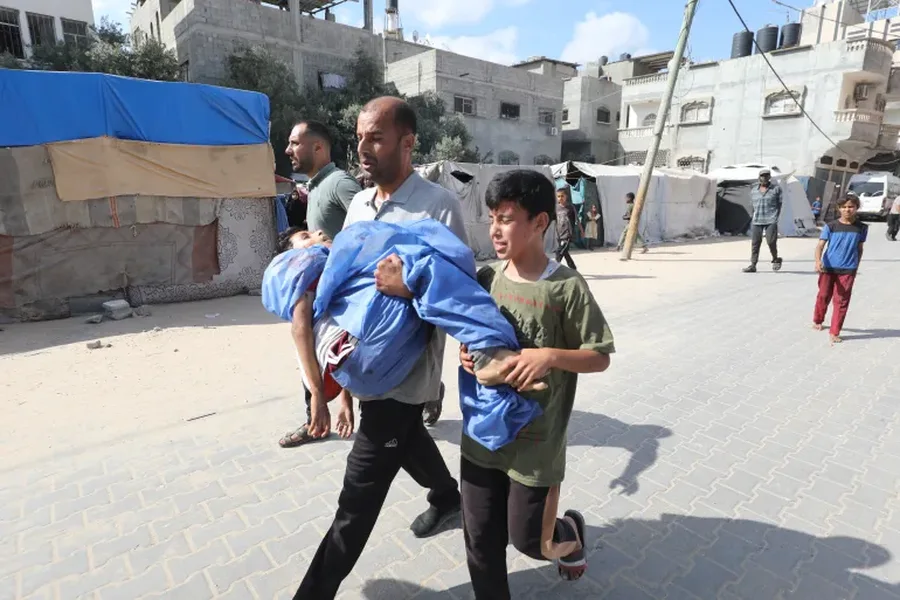
Securing water, searching for it, drinking water, swimming in water, all of these can kill you.
In Gaza, we see death in every aspect of life. Death has become an inseparable companion, lingering on the streets, in the sky, and even in our homes. It is no longer a shock; it is a grim daily reality to which we have been forced to adapt.
There are many ways to die in Gaza, although you don't have the luxury of choosing.
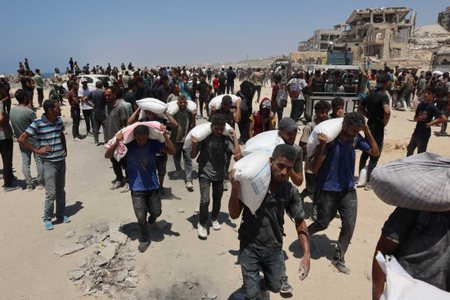
You could be killed in a bombing, or hit by a sniper's bullet while trying to gather food to stave off hunger, or hunger itself could take your life. The Health Ministry says 116 people have died from malnutrition, many of them infants and children.
In Gaza, the simplest and most basic need can also be deadly. Water is one of them. Every aspect of it can be dangerous: securing it, searching for it, drinking it, swimming in it.
Since the beginning of the genocide, the Israeli military has relentlessly targeted Gaza's water infrastructure. More than 85 percent of Gaza's water and sanitation structures are out of service, including pipelines, wells, and treatment plants.
Israel has blocked the entry of water-related materials into the Strip, making repairs difficult. It has also targeted the water authority's warehouse, destroying equipment and spare parts.
Worst of all, workers trying to repair or operate water infrastructure have been directly targeted and killed. Working in the water sector has now become a deadly job.
Most recently, on July 21, Israeli occupation forces attacked a desalination plant in the Remal neighborhood of Gaza City, killing five people on the spot. This was one of the few water stations operating in the city.
The destruction of Gaza's water infrastructure has forced us to go out in search of water every day. There are some war entrepreneurs who demand exorbitant amounts of money to supply water to homes; the vast majority of people cannot afford such services.
So Palestinians are forced to walk long distances and wait in long lines, with plastic jugs in hand, to get a daily ration of water.
Waiting under the scorching sun is not only exhausting, but can also become deadly.
On July 13, 11 Palestinians, seven of whom were children, were killed and dozens more were injured when an Israeli missile hit civilians as they waited in line to get water from water trucks in the Nuseirat refugee camp.
Ndonjëherë, kamionët e ujit nuk janë të disponueshëm, kështu që njerëzit detyrohen të pinë ujë të papërshtatshëm për konsum njerëzor nga puset lokale. Ai është i kontaminuar me baktere, kimikate dhe ndotës të tjerë dhe mund të shkaktojë shpërthime të sëmundjeve që transmetohen përmes ujit.
Edhe unë vetë u ndjeva viktimë e një të tille. Muaj më parë, pasi piva nga një pus vendas, u infektova me hepatit A. Lëkura dhe të bardhat e syve u bënë një nuancë e verdhë e tmerrshme. Valët e të përzierave më lanë të paaftë për të ngrënë dhe një ethe e vazhdueshme e bënte çdo frymëmarrje të vështirë. Por më e keqja ishte dhimbja përvëluese në bark, një dhimbje e vazhdueshme dhe dredha-dredha, sikur duar të padukshme po më shtrydhnin pjesën e brendshme. Për javë të tëra, isha i shtrirë në shtrat, trupi im i dobët, mendja ime e pushtuar nga frika.
Një vizitë në një klinikë nuk më solli asnjë lehtësim vetëm një recetë për një qetësues dhimbjesh dhe një “salamtek” (shërohu). Më është dashur ta luftoj infeksionin vetë.
Unë mbijetova, por të tjerët nuk janë kaq me fat. Hepatiti, ashtu si sëmundjet e tjera infektive që përhapen me anë të ujit, që përhapen me shpejtësi në Gaza, vret.
Mes vapës së padurueshme të verës, dikush do të mendonte se të paktën uji i detit mund t’u sillte palestinezëve njëfarë lehtësimi, por edhe kjo është vdekjeprurëse.
Në javët e fundit, ushtria izraelite e ka shpallur të gjithë vijën bregdetare të Gazës një zonë të ndaluar, duke u ndaluar palestinezëve të notojnë, të peshkojnë apo edhe t'i afrohen ujit. Kushdo që i afrohet detit qëllohet me armë.
Edhe para ndalimit, ushtria izraelite sulmonte palestinezët që përpiqeshin të hynin në det për të peshkuar dhe për të lehtësuar urinë e familjeve të tyre. Deri në dhjetor 2024, sipas OKB-së, rreth 200 peshkatarë ishin vrarë; shumë të tjerë kanë vdekur që atëherë.
Ndërkohë që na është ndaluar të hyjmë në të vetmin vend që dikur na sillte lehtësim nga vapa, vetëm pak kilometra në veri, izraelitët shijojnë lirisht të njëjtat valë mesdhetare, duke bërë banjë dielli dhe duke notuar në paqe. Ata gjithashtu shijojnë dushet e gjata dhe privilegjin e ujit të rrjedhshëm. Ata përdorin ujin luksoz prej 247 litrash (65 gallonë) në ditë për person.
Sipas Organizatës Botërore të Shëndetësisë, një person ka nevojë për 100 litra (26 gallonë) ujë në ditë për të mbuluar nevojat e tij themelore. Njerëzit në Gaza tani marrin midis dy dhe nëntë litra (0.5 – 2.3 gallonë) ujë në ditë.
Lufta për ujë është vetëm një nga shumë betejat që palestinezët në Gaza luftojnë çdo ditë. Nuk ka ushqim për të ushqyer familjen e uritur, nuk ka energji elektrike për ventilatorët dhe nuk ka ilaçe për të trajtuar sëmundjet që na mundojnë. Çdo aspekt i jetës këtu është një provë qëndrese. Nuk ka, fjalë për fjalë, asgjë për të lehtësuar peshën e këtyre rrethanave brutale, asnjë lehtësim, asnjë pushim, as edhe ngushëllimin më të vogël.
I still cannot understand how, in the 21st century, in a world of more than 7 billion people, where global leaders talk about prosperity, dignity and the rule of law, we are still deprived of the most basic human needs.
In December 2024, Human Rights Watch openly declared that Palestinians in Gaza were being subjected to a “genocide” and based this conclusion on the definition of “Israel’s water deprivation as a deliberate act.” It noted that “thousands of Palestinians in Gaza have died from malnutrition, dehydration, and disease since August 2024.”
A year has passed since then. Countless people have died due to Israel's use of water as a weapon - numbers that are not included in the official death toll because health authorities simply do not have the capacity to track them.
The truth is out in the open. It is broadcast in the international media. It is visible on social media. And yet, the world remains motionless, refusing to take action and stop Israel.
To this world, I want to say: Your silence echoes louder than the bombs that fall on us every day. You must act now, or you will go down in history as your complicity in the massacre and starvation of the Palestinian people. /Adapted from "Pamphlet", by "Al Jazeera"




Lini një Përgjigje