


 Shkruar nga Pamfleti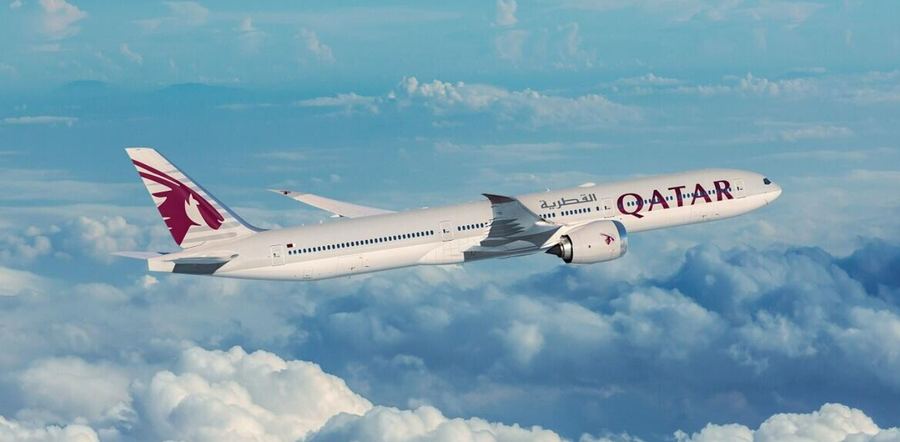
Qatar Airways, Gulf Air, Flydubai and Air Arabia are conducting rigorous internal reviews to reduce operating costs and maintain necessary financial liquidity in this period of uncertainty. Only those businesses that manage to adapt quickly and flexibly will survive this new shock wave that is hitting the market with unprecedented force...
Airlines could face bankruptcy within weeks if the armed conflict in the Middle East does not end soon. The tense war between the United States and Iran is shaking the foundations of the civil aviation sector, causing a drastic drop in bookings and a sudden increase in fuel costs for each flight.
A crisis of this magnitude has only been seen and recorded during the difficult period of the global COVID pandemic, when the entire globe was isolated. This alarm was publicly declared by Gediminas Ziemelis, the founder of the powerful Avia Solutions Group, who warns in serious tones: “We must be maximally prepared to face any possible risk arising from this sudden destabilization. If the current situation lasts for more than a month, we may witness the first bankruptcies of airlines around the world, starting with the most vulnerable ones.”
The costs of war
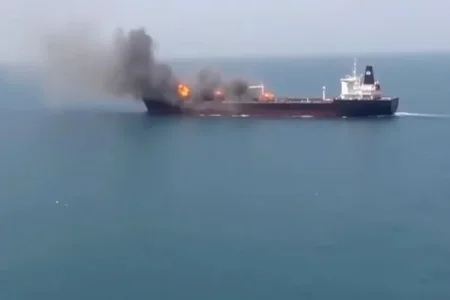
The blockade of the Strait of Hormuz has caused extremely severe damage to the global economy, leading to a sharp increase in fuel prices on stock exchanges.
About 17-18 million barrels of oil pass through that vital sea route, which is only 33 km wide between Iran and Oman, every day. This massive amount corresponds to about 20 percent of the world's energy demand and includes over a quarter of global exports of liquefied natural gas, which comes mainly from the state of Qatar.
Ziemelis explains to the British newspaper "Daily Mail" how this uncontrolled growth is weighing on the balance sheets of airlines, which are already struggling with route disruptions and rising insurance costs.
Fuel typically represents about 25 percent of the total operating costs of a typical airline. Since the start of this conflict, oil prices have increased
by almost fifty percent, reaching the critical figure of around $100 per barrel.
As a result, some companies are being forced to impose additional fees for "war fuel", while others are completely eliminating some flight routes that are no longer economically viable.
Changing itineraries
Alongside the rising cost of crude oil, there is also the major problem of airspace closures over conflict hotspots. Airlines are being forced to divert their flights to avoid dangerous areas of the Middle East.
This leads to increased travel time, higher consumption and crew fatigue.
Many European and Asian companies have been forced to increase ticket prices and significantly reduce the number of destinations.
Flights based in the Middle East have been hit hardest, with thousands of flights canceled due to missile and drone attacks that have swept the region. These attacks have forced carriers to evacuate their passengers, crews and aircraft to safer areas.
Companies such as Qatar Airways, Gulf Air and flydubai are conducting internal reviews to protect liquidity, as they are losing millions of dollars in revenue every day that passes under this tension.
OppORTuNiTy
However, billionaire Ziemelis recalls how the post-COVID period generated huge profit opportunities for many companies that showed resilience. “After the crisis, all the companies that managed to survive recorded extraordinary record profits due to high demand. So, from time to time this kind of crisis can turn into a golden opportunity for those who resist,” he emphasizes.
However, as the world anxiously awaits the end of this conflict, financial losses continue to mount at an alarming rate. Flight bookings have fallen by 63 percent, while average room rates have decreased by 28 percent.
The rate of travel cancellations has increased drastically by 163 percent. Images shared on social media show flights to Dubai almost completely empty and tourist destinations now transformed into ghost towns with no movement. / Prepared by: Pamphlet by “Il Messaggero”



Lini një Përgjigje