


 Shkruar nga Simon Tisdall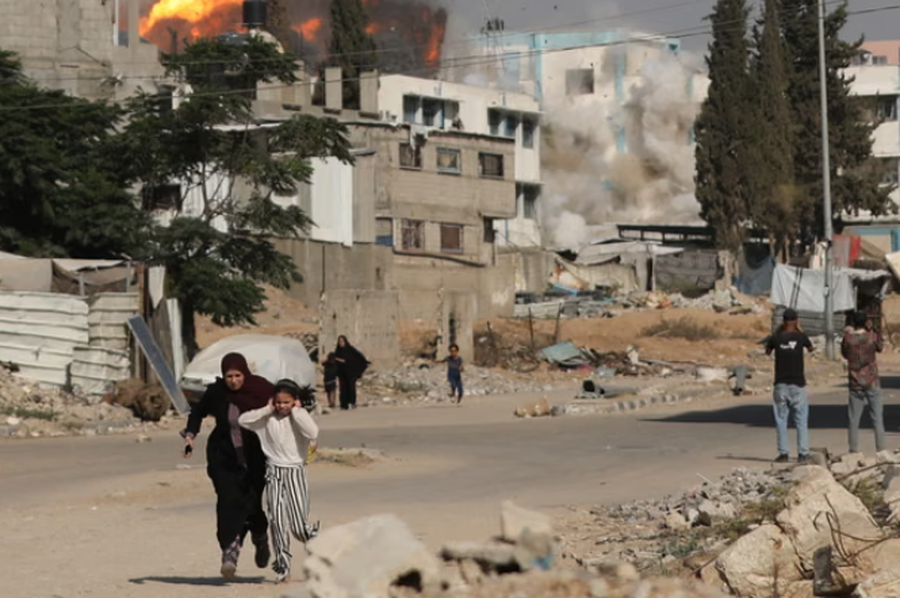
The killing and massacre of innocents is unjustifiable. Why is this allowed to continue? The answer is moral relativism...
The search for peace in major conflicts has rarely been so desperate and so seemingly futile. In Gaza, talks of ceasefires and pauses usually end in tears. In Ukraine, the war is now in its fourth year with no end in sight, despite Donald Trump’s new 50-day deadline. Syria burns again. The horrors of Sudan never cease. Last year, state conflicts reached a peak: 61 in 36 countries. It was the highest total recorded since 1946. This year could be worse.
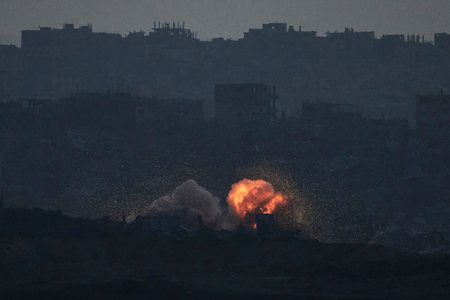
The scale of war crimes and other atrocities in conflict zones is extraordinary. The deliberate and unlawful targeting and terrorizing of civilians, the killing, maiming and abduction of children, and the use of starvation, sexual violence, torture and forced displacement as weapons of war have become almost routine. Israel’s killing last week of children waiting in line for water in Gaza was shocking, made doubly so by the fact that such scenes have become so commonplace.
“Blessed are the peacemakers,” said St. Matthew, but today, impartial mediators are extremely rare. Surely everyone agrees: the killing and massacre of innocents is morally indefensible. So why is this allowed to continue? The same question is being asked loudly by grieving parents in Rafah, Kiev and Darfur, by UN aid workers, in pulpits, bars and parliaments, at street protests and at Glastonbury: why?
The curse of moral relativism provides a clue. The fact is that not everyone agrees. What is absolutely morally indefensible to one group of people is relatively permissible or justifiable to another.
This has been true throughout human history. However, today's geopolitically and economically divided world is also ethically and morally divided to a degree perhaps unprecedented.
Agreed-upon and observed standards, what American writer David Brooks calls a "permanent moral order," are lacking.
The decline of the rules-based international order is mirrored by this crisis of moral order. Without universally accepted principles, the peaceful resolution of conflicts, foreign or domestic, becomes deeply problematic. “We have no objective standard by which to determine that one view is right and another is wrong. So public debates simply continue indefinitely, at higher levels of outrage and polarization,” Brooks argues. What remains is coercion and manipulation.
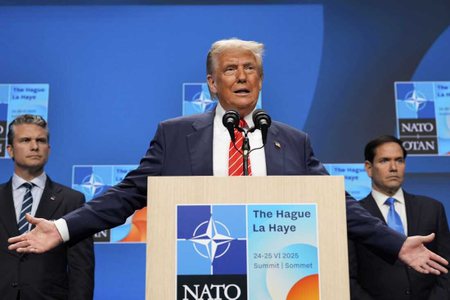
Asnjë individ nuk e personifikon më mirë konfuzionin moral-relativist që përshkon jetën bashkëkohore sesa Trump, mjeshtri i shtrëngimit dhe manipulimit. Ai beson, për shembull, se meriton çmimin Nobel për Paqen për vitin 2025. Megjithatë, Trump, në bashkëpunim me Izraelin, bombardoi Iranin kohët e fundit dhe vrau shumë civilë . Sipas pikëpamjes së tij të ngatërruar moralisht, ai akt i paligjshëm agresioni ishte i justifikuar sepse rivendosi paqen që sapo kishte thyer.
Në një botë të lidhur me luftën, çmimi i nderuar i paqes i Alfred Nobel duket gjithnjë e më anakronik dhe i politizuar. Barack Obama e fitoi atë në vitin 2009 për shkak se nuk bëri asgjë. Sikur Trump të mos bënte asgjë për 4 vitet e ardhshme. Më keq akoma, ai është nominuar nga Benjamin Netanyahu i Izraelit, armiku i betuar i paqes dhe moralit. Mund të jetë e preferueshme të zëvendësohet çmimi me një çmim "Ushtruesi i Vitit" dhe të vendoset një shpërblim për kokën e fituesit.
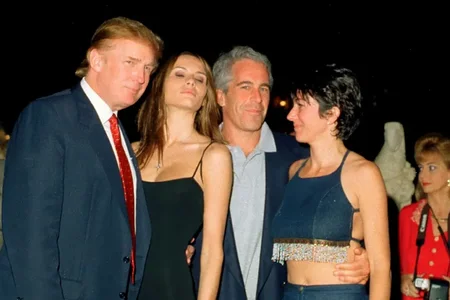
Të paraqesësh një argument moral për paqen mund të jetë konfuze, madje edhe e diskutueshme; pyet çdo udhëheqës kishe apo xhamie. Për shumë njerëz, duket se morali është një fjalë e ndyrë këto ditë. Është i zëvendësueshëm, i negociueshëm dhe emocional, një çështje kryesisht e zgjedhjes individuale dhe përkatësisë kulturore, jo e detyrës, detyrimit apo besnikërisë ndaj një ligji më të lartë. Si mund të shpjegohet pse kaq shumë amerikanë i mbyllin sytë ndaj poshtërsisë së habitshme morale të Trump, e ilustruar përsëri nga çështja Jeffrey Epstein? Identiteti shoqëror e tejkalon ndërgjegjen shoqërore.
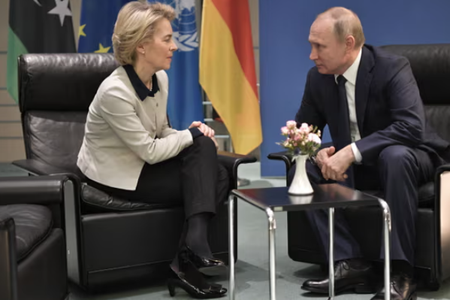
Pjesa më e madhe e publikut rus vuan nga një mangësi morale kronike e ngjashme kur mendon për shkatërrimin e Ukrainës nga Vladimir Putin. Disidentët e frikësuar e shmangin këtë temë. Të tjerë besojnë se janë përralla dezinformuese të sajuara nga media e kontrolluar nga regjimi. Shumica jeton në një gjendje injorance të thellë në lidhje me krimet e kryera në emër të tyre. Kur të mbarojë kjo, rusët mund të pretendojnë, ashtu si gjermanët në vitin 1945, se nuk e dinin. Amoraliteti zbutet nga gënjeshtra.
Mohimi i paqes në Palestinë nga Izraeli vjen gjithashtu me një kosto të lartë morale. Reputacioni i tij është i shkatërruar, kryeministri i tij ka një urdhër arresti të lëshuar kundër tij për krime lufte. Antisemitizmi po përhapet ndërkombëtarisht si rezultat i drejtpërdrejtë. Si mund të jetojnë kaq shumë izraelitë me tërbimin e ushtrisë së tyre në Gaza? Disa thonë se gjithçka do të ndalej nëse do të liroheshin pengjet e fundit; të tjerë se të gjithë palestinezët janë Hamas. Disa në të djathtën ekstreme, duke harruar historinë e vendit të tyre, sugjerojnë se ideja e një kombi palestinez është trillim. Ata duan që 2 milionë banorët e Gazës të mbyllen në një kamp të madh përqendrimi.
Many Israelis disagree. They want peace. Their failure to force a change in government policy is moral as well as political. Also guilty are the Americans, the Russians, and everyone in Britain and Europe, the politicians and the public, who do not speak out, who turn a blind eye, who justify the unforgivable on grounds of state or personal convenience, or who claim that killing and mayhem, wherever they occur, are relatively morally tolerable if they are carried out, as St. Thomas Aquinas argued, in pursuit of a “just war.”
This very modern failure, this retreat into subjective, made-to-measure morality, this abdication of shared responsibility, is reversible. Universal ethical standards still hold. They are defined by the Geneva Conventions, by other secular instruments of international law, by religious faith, and by the social contract. They must be respected and strengthened. They are necessary, sometimes inconvenient, truths.
Ordinary people in ordinary times can choose their own moral battles. But ending major conflicts and alleviating the suffering of millions is a moral imperative that demands a determined collective response from all involved. That path is peace. That path is salvation. /Adapted from The Guardian Pamphlet/


Lini një Përgjigje