


 Shkruar nga Pamfleti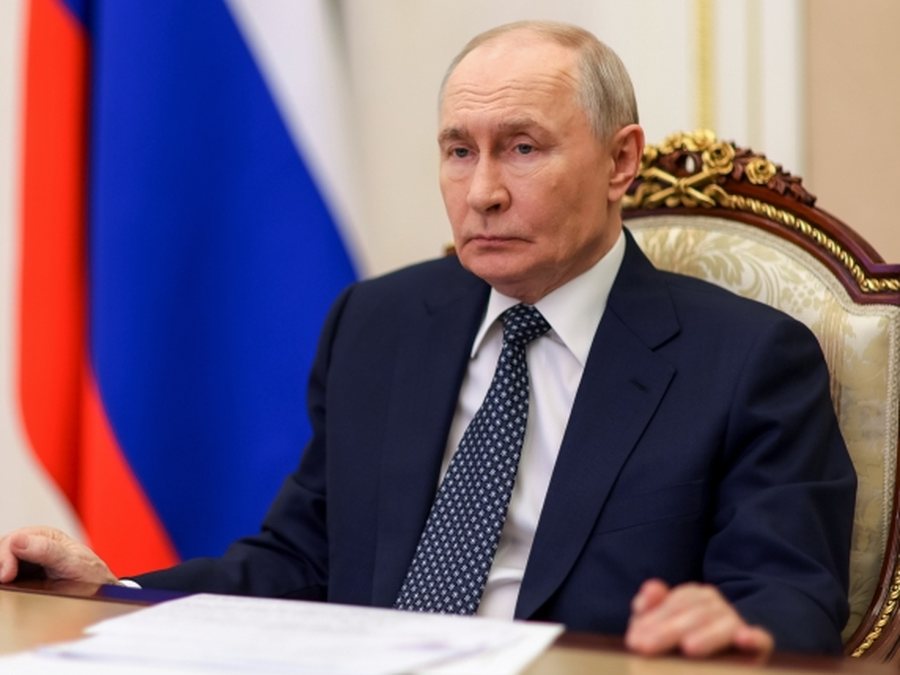
In the 12 years since Russia annexed the peninsula, Moscow has created the impression that it was untouchable thanks to massive militarization and economic integration...
Crimea was supposed to be Russian President Vladimir Putin’s greatest achievement, a stronghold in the war against Ukraine, a launching pad for projecting Russian military power across the Black Sea, and a domestic symbol of his imperial ambitions. All of that is now under threat, with Ukraine gaining air control over the routes to the Russian-occupied peninsula, targeting supply logistics and seeking to isolate and weaken Russia’s forces in the south.
In the 12 years since Russia annexed the peninsula, Moscow has created the impression that it was untouchable thanks to massive militarization and economic integration. But what was once a strategic asset for President Vladimir Putin is now turning into a critical weakness, both militarily and for the leader himself.
Today, Crimea’s population of 2.5 million is living with power and water outages, without supplies and without fuel, while Ukrainian drones target power supplies along with military facilities. Cellular service is down due to frequent power outages, public transportation is virtually nonexistent, and fuel sales to private individuals and businesses have been banned. Prices have risen sharply, and the tourist season, on which many depend, is unaffordable.
Authorities declared a state of emergency at the end of June.
For many, getting out of Crimea has also become almost impossible. Ukrainian drones have destroyed bridges and now patrol the land route through occupied southern Ukraine to Russia. Most trains are no longer running. In early June, more than 3,000 vehicles were waiting in line to exit across the Kerch Bridge, which Kiev says was built without its consent, making it illegal.
While Ukraine's campaign to isolate Crimea appears to be turning the tide in the south of the country, many Ukrainians believe the peninsula is where the war will end.
'Crimea is the golden key'
Crimea is, indeed, special. The war in Ukraine began with its annexation in 2014, transforming the peninsula into a near-sacred symbol of Russia’s imperial power. And while the United Nations and Western countries imposed sanctions on Moscow for this flagrant violation of international law, they have since largely accepted it as a fait accompli.
In the decade that followed, Russia transformed the former holiday paradise into a military base that allowed its forces to quickly occupy large parts of southern Ukraine in a full-scale invasion in 2022. Crimea became the safe rear of the battlefield, supplying Russia’s southern front and projecting its military might outward, while the peninsula’s residents remained relatively shielded from the ongoing war.
That changed dramatically this summer.
Thanks to Ukraine’s current advantage in medium-range attack drones, it is in a position to degrade and perhaps even destroy some of Russia’s military capabilities in the south of the country by disrupting the logistics that keep its military operational. Ukraine hopes this will force Russia to redirect its forces from other locations on the front, easing pressure on the Ukrainian military and Russia’s attacks on cities and villages.
Breaking Russia's military control of Crimea has implications beyond Ukraine, disrupting Moscow's military operations from its Black Sea port, for example; the peninsula was the logistics hub supporting Russia's campaign in Syria from 2015 to 2024.
Crimea also holds great personal significance for Putin, whose popularity at home soared when the peninsula, first colonized by the Russian empire 300 years ago, easily fell back under Russian control. Its loss would deal a direct blow to his reputation and could fuel discontent with his leadership and the war in the country.
Some of Ukraine's partners, most notably US President Donald Trump, who said last year that Ukraine "has no cards," have previously indicated that handing over Crimea to Russia could be part of a deal to end the war. But Russia may find the peninsula administratively and militarily too difficult and costly to maintain, let alone maintain the peace and good life it promised Crimeans in 2014.
Ordinary people
While Kiev’s containment campaign aims to break Moscow’s military power and reputation, it has inevitably affected Crimea’s civilian population. In addition to the thousands of Russians Moscow encouraged to move to the peninsula, many Ukrainian citizens still live there, including the indigenous Crimean Tatars, who have suffered disproportionate repression since 2014.
According to Refat Chubarov, the head of the Crimean Tatar Mejlis, the indigenous population of the peninsula should be prepared to face even greater difficulties in the future. He advised preparing emergency stocks of food and medicine, staying away from Russian military installations and securing a place to take refuge from attacks.
But could this end up with the peninsula being returned to Ukraine? The last time this seemed possible was during Ukraine's much-hyped counteroffensive in 2023, and any hope has since been dashed by the country's failure to shift the front line at that time.
Russia prepared militarily, economically, through education and propaganda to take Crimea for decades. Ukraine should use a wide range of similar tactics.
In fact, this could be a window of opportunity for Ukraine to reclaim some of the southern territory that Russia has held since 2022. But while Ukraine hopes to make the peninsula even more difficult and costly for Russia than it already is, it is likely to be just as difficult and costly for Ukraine. / Adapted from “Pamphlet” by “Politico”


Lini një Përgjigje